The jumbo bag of apples looked like a bargain on Saturday. By the following Friday, half of it was soft, and the per-apple savings had quietly turned into a loss. For a retired couple, or someone now cooking for one, that kind of math adds up fast.
AARP lists 11 supermarket habits retirees should stop, and buying bulk bags of fresh food is the place to start: oversized packages of produce can go bad before they are used, and even big bags of frozen food can pick up freezer burn. The other 10 range from skipping senior discount days to tossing receipts that carry coupons.
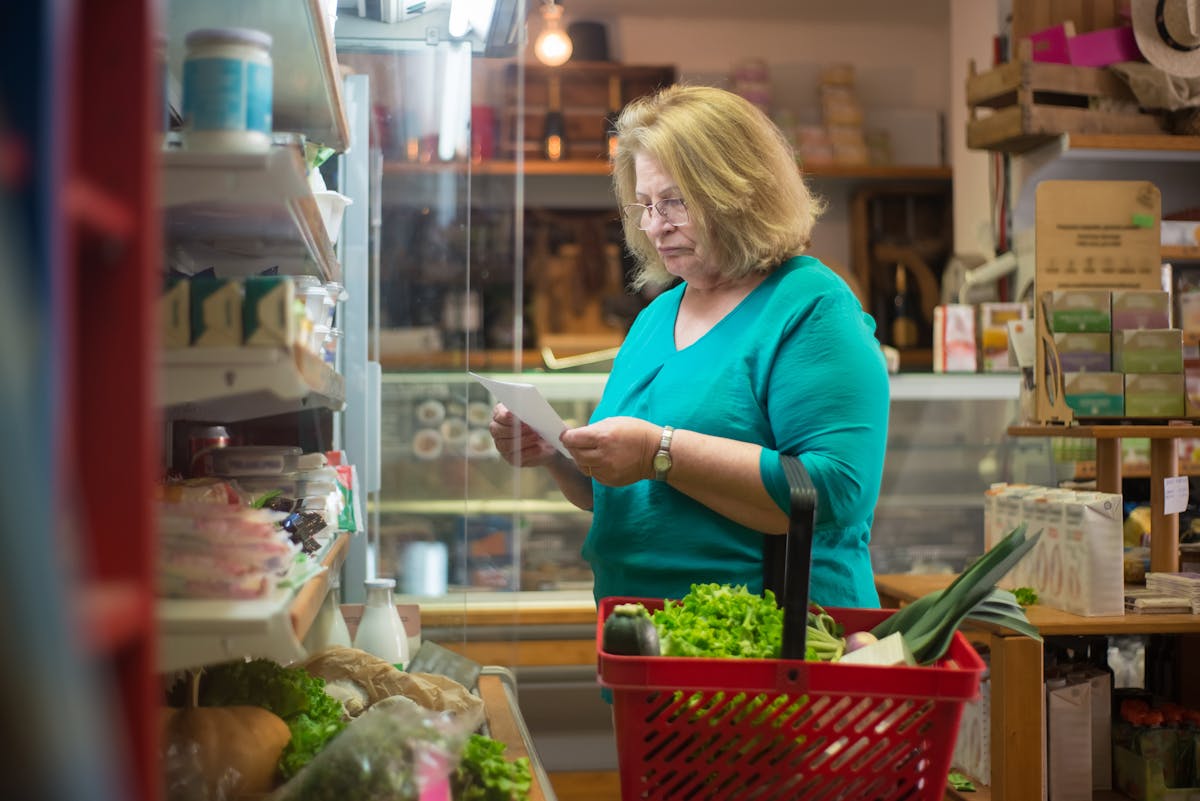
Habit 1: Buying Fresh Food in Bulk
The list comes from AARP’s guide to grocery mistakes retirees make, written by personal finance journalist Cameron Huddleston and published March 11, 2025. Buying in bulk may have made sense with a house full of kids, the guide notes, but an empty nester is unlikely to finish a 3-pound barrel of pretzels before it goes stale.
Money consultant Andrea Woroch tells AARP the problem is worst with fresh food, though even oversized bags of frozen fruit and vegetables can go bad over time. Freezer burn happens when air reaches frozen food and dries out the surface, leaving grayish-brown leathery spots. The food stays edible, but the texture and flavor suffer, which is money lost all the same.
A separate AARP guide to reducing food waste, published Sept. 26, 2024, points to how Europeans shop, buying only a few days’ worth of groceries at a time. Atlanta chef Steven Satterfield of Miller Union says in that guide that buying fresh food every couple of days beats stockpiling it. A quick look at the fridge and freezer checks worth making before a big grocery run helps keep the freezer from filling with forgotten bags.
Habits 2 Through 5: Shopping Without a Plan
2. Shopping without a plan. AARP recommends a weekly meal plan built around recipes that share ingredients. Jill Sirianni, co-host of the Frugal Friends podcast, suggests checking the fridge, freezer and pantry first and building the list from what is already on hand. A list of grocery prices that may surprise Americans in 2026 shows why a plan matters more than ever.
3. Buying out-of-season produce. Sirianni says in-season fruit and vegetables are always less expensive. AARP points shoppers to the Seasonal Food Guide to see what is in season locally, and Frenz Hub’s roundup of things that are actually getting cheaper is a reminder that some prices do move in the shopper’s favor.
4. Overlooking frozen fruits and vegetables. When a favorite is out of season, the frozen case is the cheaper way to buy it, and it keeps longer than a fresh bag.
5. Sticking to the center aisles. Sirianni says the middle of the store is full of often-pricey packaged goods, and shoppers who load up there are paying more for convenience and packaging. Older shoppers who remember simpler grocery runs may recognize a few boomer habits that are making a comeback, and some of the slang from those years still turns up in the checkout line, as a trip through the swinging ’60s slang words shows.

Habits 6 Through 8: Paying Extra for Convenience
6. Buying nonfood items at the supermarket. Laura Adams, an analyst at Finder.com, tells AARP that soap and paper goods bought at the grocery store often cost more than the same items bought in bulk elsewhere. AARP notes Amazon’s Subscribe and Save gives an extra 15 percent off when five or more items are set to auto-delivery. Frenz Hub’s list of products Americans overpay for without realizing it covers more of the same ground.
7. Not using grocery store apps. Woroch says skipping store apps can mean overpaying, since loyalty apps show sales before the trip and load digital coupons that apply at checkout.
8. Being too loyal to major brands. Woroch says store brands now offer higher-quality ingredients and can save 30 to 50 percent. Store brands are sold only at a particular retailer, such as Simple Truth at Kroger and Great Value at Walmart. The category keeps growing; the Private Label Manufacturers Association held its 2026 trade show in November with Target and Ahold Delhaize USA headlining.
Habits 9 Through 11: Leaving Discounts on the Table
9. Missing senior discounts. Some stores offer discounts to shoppers over a set age, typically 5 to 10 percent off the bill on a specific day of the week. AARP notes chains such as Giant and Safeway do not offer them at every location, so checking with the local store is the safest bet.
10. Using the wrong credit card. Adams says a rewards card matched to where a household shops can pay off, but warns that carrying a balance can wipe out the rewards with interest.
11. Throwing away receipts. Woroch says some receipts carry coupons for future purchases, and she once got $10 off $75 at Sprouts. Apps such as Fetch, Ibotta and Receipt Hog pay points or cash back for scanned receipts.
Why Bulk Tops the List for Smaller Households
Most of the 11 habits cost a few dollars at a time. Bulk fresh food is different, because the loss is the whole bag. AARP’s food-waste guide cites the Natural Resources Defense Council’s estimate that a household of 4 wastes about $1,800 of food a year, and smaller households feel each spoiled bag more sharply.
The fix is not complicated: smaller bags, a list with real quantities and a weekly look in the freezer. For retirees on a fixed income, those 3 small changes can do more for the grocery budget than any coupon.
This article was produced with AI assistance and edited for accuracy against the sources linked above.