Every kitchen has a fridge clean-out moment: the half bag of spinach gone limp, the second jar of salsa nobody remembered opening, the leftovers pushed behind the milk. Each one feels small. Added up over a year, they are not.
AARP, citing research from the Natural Resources Defense Council, says Americans throw out more than 400 pounds of food per person each year, which works out to an average of about $1,800 wasted annually for a household of 4. Its 2024 guide to cutting food waste opens with 11 planning and shopping habits aimed at the place most of that waste starts: the grocery run.
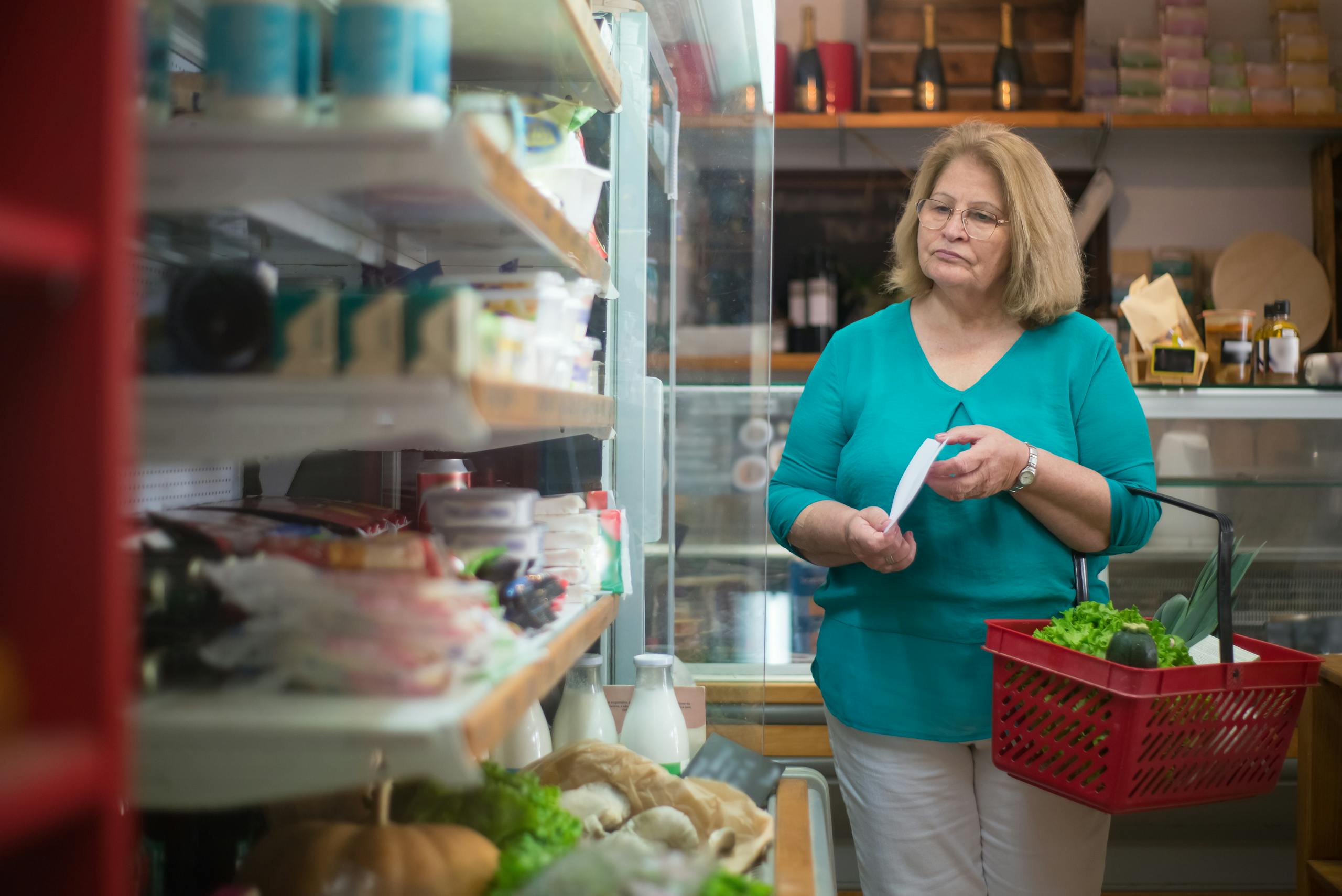
How Big the Bill Is
The AARP guide to reducing food waste, published Sept. 26, 2024, lists 49 tips in all and points out that the cost hits hardest for people on a fixed income. Other estimates run higher. The EPA’s page on wasted food at home says the average family of four spends almost $3,000 a year on food that does not get eaten, and that cutting waste could save such a family up to $56 a week.
The national picture is just as large. ReFED, a nonprofit that tracks food waste, estimates that 25% of all food in the U.S., about 60 million tons, goes unsold or uneaten each year, and that surplus food was worth $381 billion in 2024.
Habits like these are the kind of thing CraftingYourHome.com covers in its list of frugal habits boomers were teased for that many now consider smart, and Frenz Hub’s frugal living tips apply the same thinking to the rest of the budget.
Household size plays a part too. Research summarized in Wikipedia’s overview of household food waste notes that single-person households tend to waste more than larger ones. How often to shop is a cultural habit as much as a budget one, a theme that fits Frenz Hub’s roundup of odd American traditions that confuse the rest of the world.
1. Take Stock Before the List
AARP’s first habit is checking the refrigerator, freezer and pantry before writing the grocery list. Stephanie De La Hoz of the nonprofit Move For Hunger told AARP to check not just which items are on hand but how much is left of staples like flour, sugar and rice. Frenz Hub’s kitchen organization ideas make that inventory faster when everything has a spot.
2. Plan for Nights Off
Plenty of households plan seven home-cooked dinners and manage four or five. AARP says those skipped nights, when takeout or a bowl of cereal wins, are a source of waste, so it suggests planning a few nights off each week from the start.
3. Let the Sales Flyer Set the Menu
Cookbook author Mary Bryant Shrader suggested checking the store’s flyer, website or app for sales on regular items and building meals around them, plus scanning the clearance aisle for staples. CraftingYourHome.com’s look at grocery prices that may surprise Americans in 2026 shows why the sale price matters more than ever.
4. Plan for Leftovers on Purpose
When a big batch of spaghetti sauce or chili is more than the household can finish, De La Hoz suggested freezing it in smaller portions or sharing some with neighbors. Soups, she noted, freeze and reheat easily.
5. Use a Portion Calculator
For cooks who would rather avoid leftovers, AARP points to the Guest-Imator, a meal-planning tool from the NRDC’s Save the Food campaign that estimates how much of each dish to make for a given number of people.
6. Grab From the Back of the Shelf
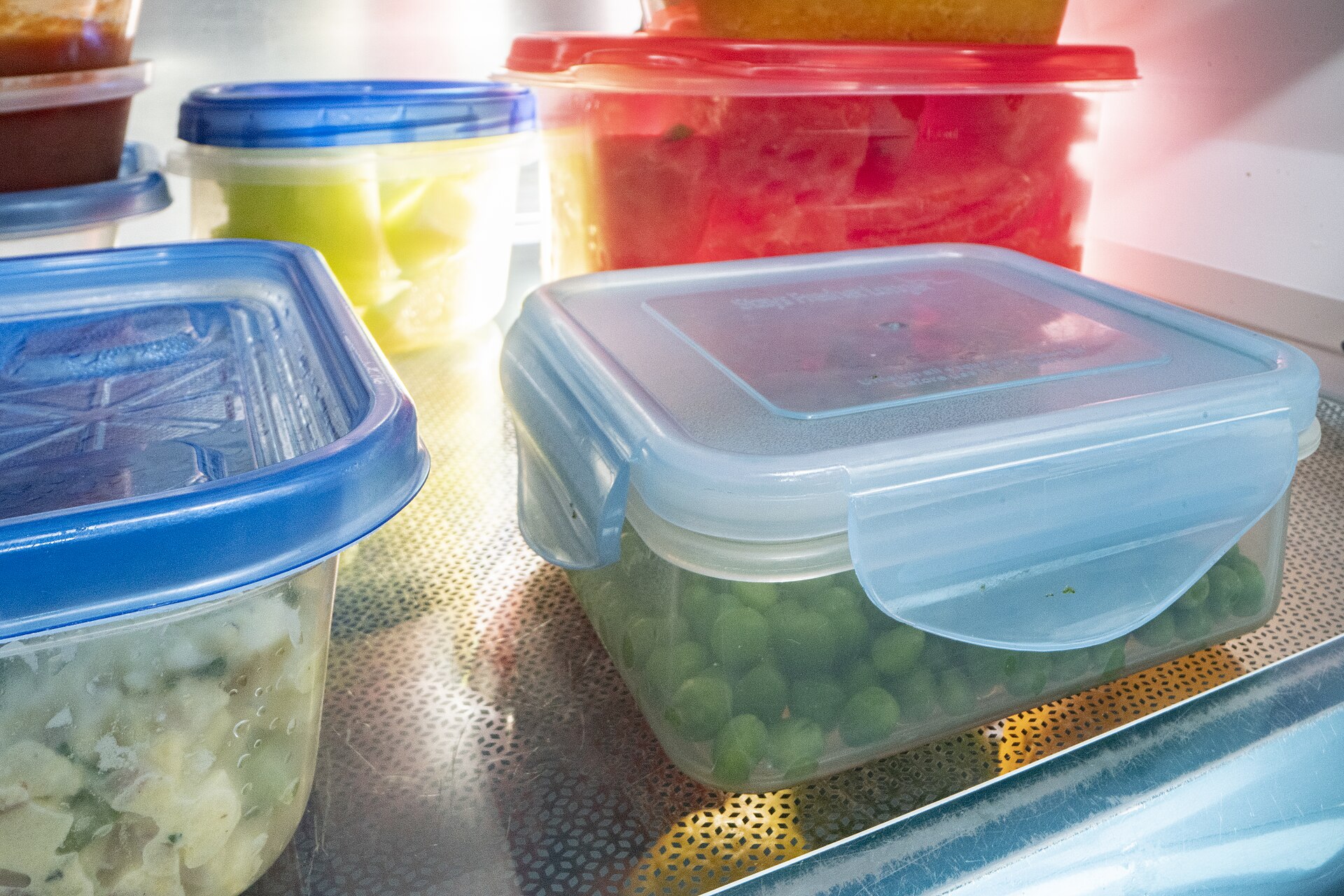
Most stores restock from the back, AARP notes, so the items up front are likely to expire sooner. For anything not being used in the next few days, reaching behind the front row buys extra time.
7. Pick Double-Duty Ingredients
Planning meals that share ingredients makes for a more versatile shopping list. AARP’s example is shredded cheese bought for taco night that tops baked potatoes the next day and goes into an omelet on the weekend.
8. Swap Rarely Used Ingredients
De La Hoz suggested skipping or substituting an ingredient a recipe calls for if it rarely gets used otherwise, such as parsley for cilantro or milk for heavy cream. If the special ingredient is bought anyway, the goal is to find a second use for it.
9. Write Exact Quantities on the List
A list keeps the cart on track, and AARP says quantities matter too. Todd Lawrence of Urban Green Lab put it plainly: write down how much is needed, so a recipe that calls for 16 ounces of cheese does not turn into a 40-ounce purchase.
10. Skip the Impulse Buys
AARP warns against grabbing items that are not on the list, especially when shopping hungry, and mentions grocery delivery as one way to avoid the temptation altogether. Its separate guide to overspending on groceries adds a related warning: bulk buys can backfire for smaller households, since oversized bags of fresh or even frozen food can go bad before they are finished.
11. Shop Like Europeans
The last habit borrows from abroad. AARP notes that Europeans, with smaller kitchens and refrigerators, tend to buy only a few days’ worth of groceries at a time, and Atlanta chef Steven Satterfield told AARP that buying in smaller amounts means less waste and more awareness of what is on hand. It is close to the opposite of the big weekly stock-up trip.
None of the 11 habits requires a new gadget or a new recipe. Together they come down to knowing what is already in the kitchen and buying only what will get eaten, which is where that $1,800 starts coming back.
This article was produced with AI assistance and edited for accuracy against the sources linked above.