Christmas dinner means different things depending on where you celebrate. For some families, the holiday would not feel complete without a golden roasted turkey and creamy mashed potatoes. Others look forward to spicy meat stews, seafood feasts, sweet rice cakes, or even a bucket of fried chicken.
Food is one of the most interesting ways cultures celebrate Christmas. Recipes are passed down through generations, families gather in kitchens for hours, and certain dishes appear on dining tables only once a year.
While some countries share familiar traditions, others have festive meals that might surprise anyone used to the typical American Christmas dinner.
From Mexico’s handmade tamales to Japan’s famous Christmas chicken, here are 12 traditional Christmas dishes from around the world that show just how different the holiday can taste.
Roast Turkey and Christmas Pudding in the United Kingdom
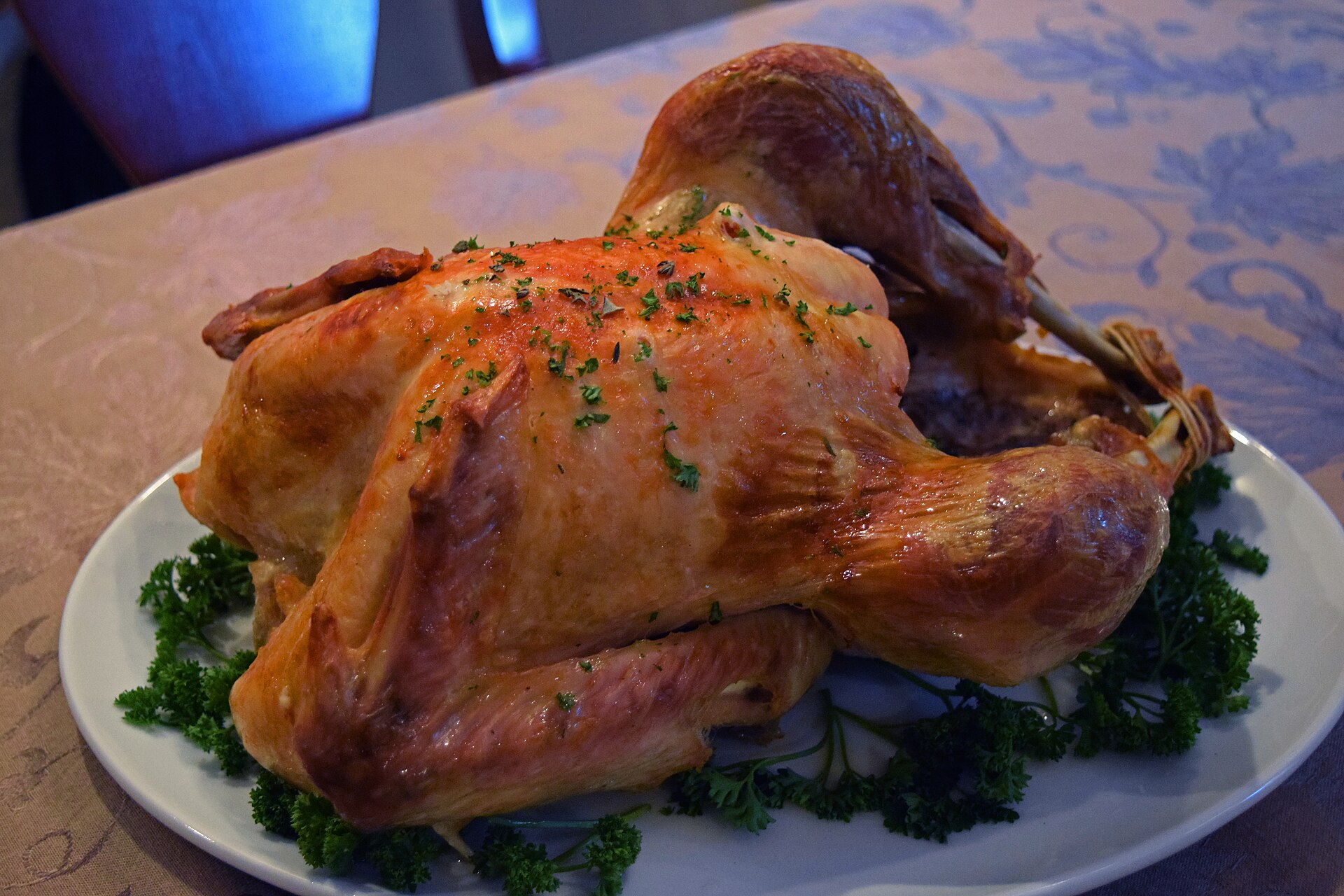
In the United Kingdom, Christmas dinner is a major family occasion, and roast turkey is one of the most recognizable centerpieces.
The bird is usually served with roasted potatoes, Brussels sprouts, stuffing, gravy, and pigs in blankets, which are small sausages wrapped in bacon.
But the main attraction does not always end with the savory food. British families also enjoy Christmas pudding, a rich dessert traditionally prepared with dried fruits, spices, and other ingredients.
Some families pour brandy over the pudding and set it alight before serving. It is a dramatic way to finish a meal, especially when everyone is already full.
Mince pies, small pastries filled with spiced dried fruit, are another popular Christmas treat.
Tamales in Mexico
In Mexico, Christmas celebrations often involve tamales, a dish that requires patience, preparation, and plenty of helping hands.
Tamales are made from masa, a dough prepared from corn, which is filled with ingredients such as meat, cheese, beans, or vegetables. The mixture is wrapped in corn husks and steamed until cooked.
Making tamales is often a family activity. Different relatives help prepare the fillings, spread the dough, and wrap each portion before cooking.
Other popular Christmas dishes include pozole, a traditional soup made with hominy and meat, and bacalao, dried salt cod commonly prepared in a tomato-based sauce.
The food is often served during family gatherings and Christmas Eve celebrations.
Fried Chicken in Japan
Imagine celebrating Christmas with a bucket of fried chicken instead of a roasted turkey. In Japan, that idea has become a familiar holiday tradition.
Kentucky Fried Chicken became closely associated with Christmas in Japan following a successful marketing campaign in the 1970s.
The campaign helped establish fried chicken as a festive meal, and many families now order special Christmas packages from the restaurant.
Some customers place their orders weeks ahead because demand can be high during the holiday period.
Another popular Christmas treat is Japanese strawberry shortcake. It is usually made with soft sponge cake, whipped cream, and fresh strawberries.
The combination of fried chicken and a beautiful strawberry cake gives Japanese Christmas celebrations a distinctive flavor.
Feast of the Seven Fishes in Italy
For many Italian families, Christmas Eve is an opportunity to enjoy an elaborate seafood dinner.
One well-known tradition is the Feast of the Seven Fishes, especially in Italian-American communities. It involves serving seven seafood dishes, although the exact number and menu can vary by family.
The meal may include shrimp, calamari, clams, cod, mussels, and other seafood preparations.
The tradition is connected to the Catholic practice of abstaining from meat on certain religious occasions.
Italy also has two famous Christmas desserts: panettone and pandoro.
Panettone is a tall, dome-shaped sweet bread traditionally filled with raisins and candied fruit. Pandoro, on the other hand, is a soft, golden bread shaped like an eight-pointed star and often dusted with powdered sugar.
Both are popular festive treats that families enjoy throughout the Christmas season.
Lechon and Bibingka in the Philippines
Christmas is a particularly important celebration in the Philippines, where families often prepare an elaborate midnight meal known as Noche Buena.
One of the most recognizable dishes is lechon, a whole pig roasted until its skin becomes golden and crispy.
People commonly serve it at major celebrations, weddings, and family gatherings, making it a popular choice for Christmas feasts.
Another favorite is bibingka, a traditional rice cake made with rice flour and coconut milk. People often cook it in special clay pots and top it with ingredients such as grated coconut, cheese, or salted egg.
Families may also serve queso de bola, a round Edam cheese traditionally associated with Filipino Christmas celebrations.
For many households, Noche Buena is about bringing relatives together around a table filled with food after Christmas Eve celebrations.
Doro Wat in Ethiopia
Ethiopian Christmas celebrations offer a completely different dining experience.
Known as Ganna, Ethiopian Orthodox Christmas is celebrated on January 7 by many churchgoers.
Before the celebration, many Ethiopian Orthodox Christians observe a 40-day fasting period during which they avoid animal-based foods.
Christmas provides an opportunity to break that fast with a special meal.
One popular dish is doro wat, a rich, spicy chicken stew prepared with onions, berbere spice, and other ingredients. It is commonly served with injera, a soft, spongy flatbread made traditionally from teff flour.
The bread is used to scoop up the stew, making the meal both delicious and communal.
For many families, preparing and sharing doro wat is an important part of celebrating the religious holiday.
Stollen in Germany
Germany is famous for its Christmas markets, festive decorations, and traditional seasonal baking.
One of its best-known Christmas foods is stollen, a dense, buttery fruit bread filled with ingredients such as raisins, candied citrus peel, and nuts.
The loaf is traditionally covered with powdered sugar, giving it a snowy appearance.
Dresden is particularly famous for its version, known as Dresdner Stollen.
Another popular German Christmas treat is Lebkuchen, a type of spiced gingerbread that comes in different shapes and sizes.
These baked treats are commonly enjoyed with coffee, tea, or other festive drinks during the holiday season.
Stollen is also a popular gift because you can prepare it ahead of time and enjoy it over several days.
Pierogi and Christmas Eve Supper in Poland
In Poland, Christmas Eve dinner, known as Wigilia, is one of the most meaningful meals of the holiday season.
Traditionally, families prepare12 dishes to represent the 12 apostles.
The meal is usually meatless, although fish is allowed and features prominently.
Pierogi are among the most popular dishes. These dumplings are often filled with sauerkraut and mushrooms, then boiled and sometimes lightly fried.
Another traditional dish is barszcz, a beetroot soup often served with small mushroom-filled dumplings called uszka.
Carp and herring are also common additions to the Christmas Eve table.
Some Polish families wait until the first star appears in the evening sky before beginning their meal.
The tradition brings together food, faith, and family, making Wigilia more than just another holiday dinner.
Pan de Jamón in Venezuela
Venezuela has a Christmas dish that bread lovers will appreciate.
Pan de jamón is a savory-sweet bread roll filled with ham, olives, and raisins. The ingredients are rolled inside soft dough and baked until golden.
The combination of salty ham, sweet raisins, and slightly tangy olives gives the bread its distinctive flavor.
It is commonly served alongside other traditional Venezuelan Christmas foods, including hallacas and ensalada de gallina, a chicken salad.
Hallacas are particularly important during the festive season. They are made using corn dough filled with a mixture of meat, vegetables, and other ingredients, wrapped in banana leaves and boiled.
Preparing hallacas can take several hours, and relatives often come together to help.
Bûche de Noël in France
France brings a little creativity to the Christmas dessert table with Bûche de Noël, also known as the Yule log cake.
The dessert is made from a thin sponge cake rolled around a filling, usually cream or chocolate buttercream. It is decorated to resemble a wooden log, sometimes with chocolate frosting, meringue mushrooms, and other festive details.
The cake is connected to the older European tradition of burning a large log during winter celebrations.
French Christmas meals, particularly the festive Réveillon, may also feature oysters, seafood, smoked salmon, and roasted poultry.
For anyone who loves desserts, the Bûche de Noël is one of the most recognizable Christmas treats in French cuisine.
Julbord in Sweden
Sweden celebrates Christmas with a traditional feast known as julbord, which translates to Christmas table.
Rather than serving just one main dish, families and restaurants prepare a buffet featuring several traditional foods.
The spread commonly includes Christmas ham, Swedish meatballs, pickled herring, gravlax, rye bread, sausages, and various salads.
One particularly popular dish is Janssons frestelse, a creamy potato casserole traditionally made with onions, cream, and pickled sprats.
The idea is to enjoy several small portions of different foods rather than depend on one large main course.
Julbord is traditionally enjoyed on Christmas Eve and is also a popular feature of Swedish workplace celebrations in December.
Bebinca in Goa, India
Christmas in Goa has its own special food traditions, influenced by local ingredients and Portuguese culinary heritage.
One standout dessert is bebinca, a traditional layered cake made using ingredients such as coconut milk, flour, sugar, egg yolks, and ghee.
The cake is prepared layer by layer, with each layer cooked before another is added. The process takes time, but the result is a rich dessert with a beautiful golden appearance.
Goan Christmas tables may also feature sorpotel, a spicy pork dish prepared with a mixture of spices and vinegar.
Bebinca is especially popular during festive celebrations and is often shared with relatives and visitors.
It reminds us that Christmas food traditions can reflect centuries of cultural exchange while retaining a strong local identity.
Christmas Food Is About More Than What Is on the Table
Looking at Christmas dishes from around the world reveals something interesting. Not every family celebrates with turkey, mashed potatoes, or a traditional Christmas pudding.
Some gather around seafood, others prepare elaborate meat stews, and some spend hours making pastries and rice cakes.
Even the timing differs. While many Christians celebrate on December 25, Ethiopian Orthodox Christians traditionally celebrate Christmas on January 7.
But there is one thing many of these traditions have in common: food brings people together.
Whether it is a Filipino family sharing lechon, a Mexican household preparing tamales, or a Swedish family enjoying julbord, Christmas meals often center on family, hospitality, and keeping traditions alive.
And perhaps that is the best part of Christmas. The dishes may change from one country to another, but the joy of sharing a special meal remains familiar almost everywhere.