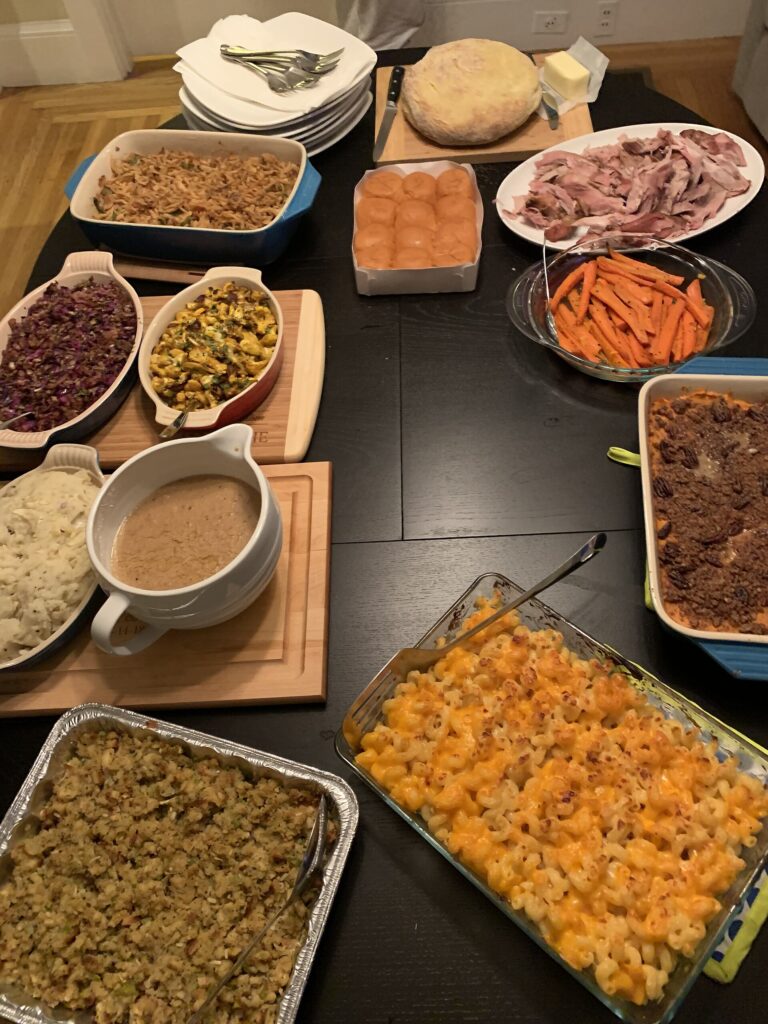
The pie plates are scraped clean, the coffee pot is on its second round, and a pair of guests has settled so comfortably into the dining chairs that nobody is sure whether the evening has ended. The host glances at the clock, then at the sink full of dishes, and wonders how to move things along without sounding like the night is being cut short.
The answer, according to etiquette writers, is wording that points toward the next pleasant thing rather than toward the door. Here are 6 phrases hosts reach for to close a dinner party gracefully, each one built so that no guest feels hurried out.

1. “Coffee is ready in the living room.”
A change of room is the oldest cue in the book. The Emily Post Institute says the host’s job is to run the show and let guests know when it is time for dinner, dessert or games, and a move to softer seating is a natural way to mark the shift. Plates can be cleared quietly while conversation continues on the sofa, and a rundown of household devices to check before Thanksgiving guests arrive covers the practical side of a host’s checklist.
Many families can recall a relative who always bid farewell with the same line, the kind of everyday ritual a roundup of little rituals from the 1980s and 1990s says faded without much notice.
The phrase works because it offers a destination instead of an ending. Guests who were ready to leave get a graceful moment to say so, and guests who want one more cup are not told to go.
2. “Dessert and coffee are ready whenever everyone is.”
Dessert is the last course, and announcing it sets the final chapter of the evening. This line gives the table control of the pace. Nobody is rushed, yet everyone understands that the meal is arriving at its sweet finish.
Hosts still finishing a holiday spread can set the tray out ahead of time, which keeps them at the table instead of in the kitchen. Fans of retro entertaining, including the slang of the swinging 1960s, will recognize the coffee-and-sweets finish as a classic.
3. “Thanks, everyone, for coming.”
The Emily Post Institute’s guidance for hosts is plain: thank people for coming as they say good-bye. Said at the table, before anyone has stood up, the same sentence can also work as a gentle full stop. It names the evening as a success and invites guests to carry that warmth out the door.
A second round of thanks at the door matters just as much. The Institute’s Thanksgiving advice notes that hosts can give a toast and thank guests again as they leave, which turns the departure into part of the celebration.
4. “It has been such a lovely evening.”
Etiquette expert Myka Meier, quoted in a September 2026 Veranda piece on Yahoo Life, recommends speaking about the night in the past tense when guests linger. The idea is to talk as though the party has already been a wonderful memory, which nudges everyone toward wrapping up without an awkward announcement.
This phrase pairs well with small changes in the room. Meier also suggests brightening the lights gradually and switching to slower, calmer music as nonverbal signals that the night is ending, according to the Veranda report.

5. “Please take a plate of leftovers home.”
Holiday goodbyes are a tradition of their own. A look at odd American traditions shows how many customs revolve around arriving and leaving, and a piece on holiday rituals from mid-century American homes describes some closing customs that have faded.
Offering leftovers is generous, and it doubles as a polite finale. Once foil and containers come out, guests understand the night is wrapping up, and nobody feels dismissed because the gesture is one of giving. Hosts who keep a stack of reusable containers by the kitchen door make the moment smooth.
Packing the plates while the coffee is still being poured keeps both the timing and the manners on track, and food that has been sitting out all evening should not linger through a long goodbye.
Handing over a container also gives guests a small reason to stand and move toward the hall.
6. “The coats are all ready in the hall.”
Few cues are as friendly as a host who stands up with a purpose. Offering to fetch coats shifts the mood without a word about the time. Meier’s recommendation of a small goodbye station by the door, with a parting gift such as chocolates or cocoa mix in a seasonal jar, according to Veranda, makes guests feel appreciated rather than hurried.
The Institute adds that thanking guests as they leave is part of the host’s job from start to finish. A host who walks guests to the door, hands over the coats and says one last warm sentence has covered every stage of the evening.
Dinner parties have changed since the days of formal place cards, but the idea behind these phrases has not. A host steers the evening, and the kindest steering never feels like pushing.
The six phrases are easy to remember because each one is warm, short and specific. None of them mentions the hour, and none of them asks anyone to leave. A host who picks one or two, sets out the coffee and keeps the leftover containers handy can end a party the way it began: with generosity.
This article was produced with AI assistance and edited for accuracy against the sources linked above.
Image: USDAgov – Public domain/Wikimedia Commons