Anyone who has ever paid for a delivery pizza knows the routine: the app, the fee, the tip, the thirty-minute wait. A Domino’s driver says she has been watching who stays in that routine, and who has quietly dropped out.
According to BroBible, which reported on Oct. 24, 2026, a Domino’s delivery driver named Nesha, who posts on TikTok as @flameheartsanrblx, says her regulars have stopped ordering as often. Customers who once ordered every other day, she says, now order about once a month. Her video drew more than 82,200 views at the time of BroBible’s report, and The Mary Sue reported 89,800.

What the driver says she has noticed
Nesha describes the change as the biggest recession indicator she has noticed. In the clip, as both outlets quote her, her usual regular customers, the ones she delivers to most, are not ordering the way they used to. She says these people ordered every other day, and now it is more like once a month.
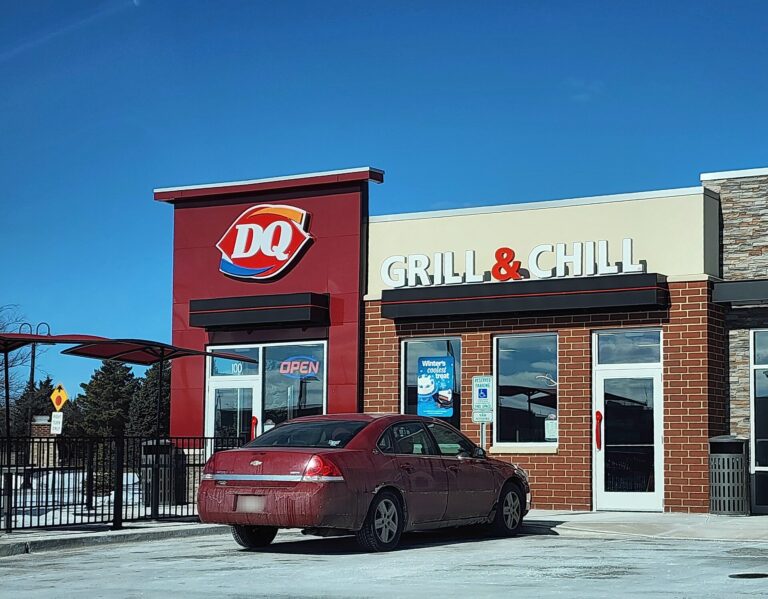
The claim is an observation from one driver’s route, not a data set. The Mary Sue pointed out that she did not provide sales records to support it, and BroBible stressed that one driver’s experience cannot show what is happening nationally. Delivery is also only part of the pizza business, and chains compete hard for the same dinner budget, as seen in McDonald’s Home Alone meal arriving Dec. 1. The company’s own history is outlined on the Domino’s Pizza page on Wikipedia.
How viewers answered
Viewers offered several explanations in the comments. One said the regulars may have found better pizza. Another pointed at the cost of getting the food to the door, writing that it is the delivery fee plus the tip. A third said pizza now costs at least $40 to $60, and Nesha replied that she had seen someone pay $40 for two medium pizzas.
One parent wrote that frozen pizza has become the household choice when the kids ask for pizza. A commenter who said they used to order Domino’s twice a week said they had not ordered in months. A cook of 10 years said delivery orders at their restaurant are probably at half. Others said quality has slipped, and one disagreed with her reading outright, saying it was not a recession indicator.
Spending decisions like these are a daily topic for households, and guides such as frugal living tips and a collection of wallet-friendly life hacks show how many readers look for ways to trim the bill.

What the numbers say
The Mary Sue added figures to the discussion. It cites the U.S. Bureau of Labor Statistics as showing that prices for food away from home rose 3.5% between September 2025 and September 2026, while grocery prices rose 1.8%. That gap, the outlet says, could encourage some households to reconsider how often they buy prepared meals.
It also reports that in its third-quarter 2026 report, released on Oct. 13, Domino’s said U.S. same-store sales rose 0.3%, compared with 5.2% growth a year earlier. Growth slowed sharply, but the outlet notes the figures do not show whether delivery orders specifically declined. Same-store sales measure revenue at comparable locations, not how often a single customer orders, and higher menu prices or bigger orders could offset fewer transactions.
BroBible, for its part, listed pricing context: it cites one source putting the average pizza at $8 to $9 and delivery fees at $3 to $7, with an average of $4.99 before tip and tax. It also describes a “pizza index” idea, in which shoppers skip add-ons such as wings and breadsticks when budgets tighten, and notes that frozen pizza often costs under $10. The outlet cautions that pizza consumption alone cannot predict a recession, because many other factors matter.
Price-watching has its own audience, and stories such as things that are actually getting cheaper and a note about Hershey’s 5-cent bar on Nov. 25 reflect how much attention small price changes draw.
What the company and the driver have not said
BroBible says it contacted Nesha through a TikTok direct message and emailed Domino’s. The article reports no reply from either, and there is no official Domino’s statement about the driver’s observation. The Mary Sue likewise states that her experience does not establish why her customers reduced their orders: they could have switched restaurants, picked up their orders or cooked at home.
That distinction is the crux of the debate. Fewer orders from regulars could reflect tighter budgets, or simply a change in habit. The Mary Sue noted that the National Bureau of Economic Research looks at several measures, such as employment, income and production, when it identifies recessions, so a drop among one driver’s customers would not be enough on its own.
Why the story struck a nerve
Delivery drivers see the inside of neighborhoods in a way few other workers do, and many viewers were willing to take an observation from the road seriously. A regular who goes from every other day to once a month is the kind of change that a person at the door would notice before any report does.
The story also touches a conversation about the cost of eating out. Pizza night is a ritual in plenty of homes, and when the price of it rises, people say they notice. Whether the cause is fees, tips or a habit of ordering less, the driver’s clip gave viewers a simple way to talk about it. The original TikTok video and the reports by BroBible and The Mary Sue carry the full details.
This article was produced with AI assistance and edited for accuracy against the sources linked above.
Image: Carstenhag – CC BY-SA 4.0/Wikimedia Commons