Buying a coffee, picking up a sandwich, or checking out at a store used to be fairly straightforward. You paid for what you bought, collected your change, and went about your day. These days, however, some Americans find themselves facing an unexpected question at checkout: Would you like to leave a tip?
Digital payment screens have made tipping requests increasingly common, including in places where customers never expected to leave gratuities. The growing practice has even earned a nickname, “tipflation.”
A 2025 Popmenu survey found that 65% of Americans were tired of tipping, while 66% said they felt pressured when digital payment screens suggested gratuity amounts. Here are eight places where customers are increasingly encountering requests to tip.
Coffee Shops Where You Only Ordered a Drink
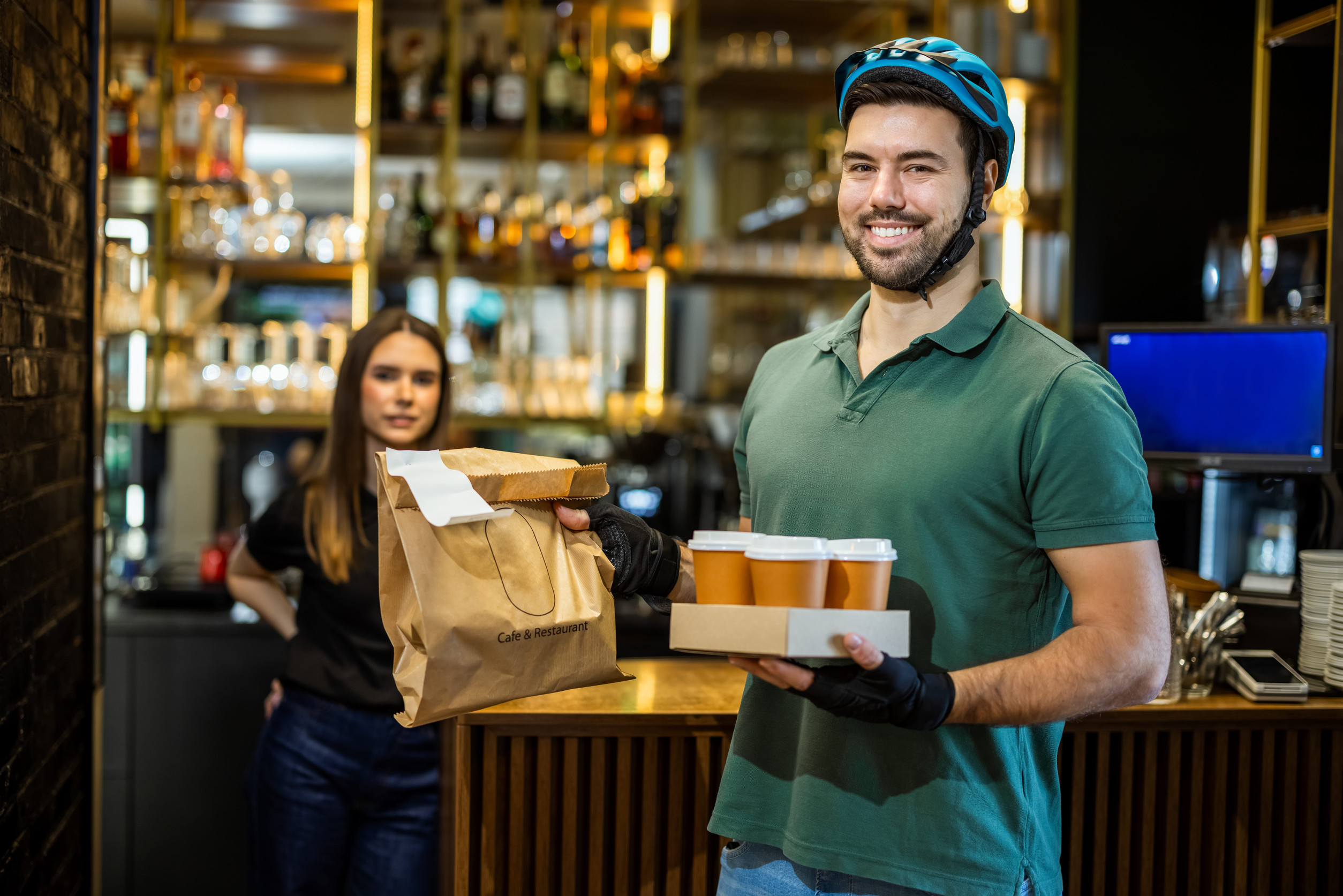
Ordering a morning coffee has become one of the most familiar examples of tipping fatigue. Customers who once dropped a few coins into a tip jar may now encounter digital payment screens suggesting gratuities of 15%, 20%, or even 25%. The awkward part is that the customer may have spent less than a minute placing an order and collecting a drink.
A 2025 Popmenu survey found that 46% of consumers tipped at coffee shops, although that figure fell to 39% in its 2026 findings. This suggests that customers are becoming more selective about when they leave extra money. Many still appreciate a friendly barista, but others question whether every basic counter transaction should come with an additional charge.
Fast Food Restaurants With Digital Tip Screens
Fast food restaurants are another place where customers are encountering tipping requests. Traditionally, tipping was more closely associated with full-service restaurants where employees took orders, brought meals, and checked on customers throughout their visits. However, some fast food and counter service establishments now use payment terminals that invite customers to add gratuities.
Popmenu’s September 2025 survey found that 27% of consumers tipped at fast food establishments. Its 2026 findings put that figure at 22%. The numbers suggest that some customers are willing to leave something extra, but tipping is far from universal in this setting. For someone ordering a burger at the counter and carrying it to their own table, the request can feel unexpected.
Food Trucks That Ask Customers for Extra Money
Food trucks have become popular for quick lunches, street food, and convenient meals at outdoor events. Many are small businesses with limited staff, and employees may handle everything from preparing meals to taking orders and cleaning equipment. Still, customers sometimes find themselves facing a tip screen after paying for food they ordered at a window.
According to Popmenu’s 2025 survey, 32% of consumers tipped at food trucks. That number declined to 27% in its 2026 findings. Some customers are happy to reward good service or particularly impressive food, while others believe the listed price should cover a straightforward transaction. The debate becomes especially interesting when a meal is already more expensive than expected.
Self Checkout Machines That Present Tip Options
Few tipping requests surprise shoppers quite like those appearing at self-checkout machines. Customers are accustomed to scanning their own groceries, bagging everything, and completing payment without assistance from a cashier. So when a machine displays a gratuity option, many wonder who exactly they are tipping.
Research shows that more consumers are refusing to tip when prompted at self-checkout. The findings highlight how differently people view tipping when no direct service has been provided. Some payment systems include optional gratuity features for businesses, but their appearance does not mean customers are obligated to use them. For many shoppers, scanning their own groceries is already enough work without adding another financial decision.
Bakeries and Ice Cream Shops
A quick stop for a doughnut, cupcake, or ice cream cone can also come with a tipping prompt. These businesses often use the same digital payment terminals found in coffee shops, giving customers the option to add a gratuity before completing a purchase. Even when an employee simply hands over an item from behind the counter, the screen may offer several suggested percentages.
Some customers happily tip when employees provide attentive service, prepare complicated orders, or handle large group requests. Others question why buying a single pastry should involve an additional payment. There is no universal rule requiring customers to tip every bakery or ice cream shop employee. The growing frustration is less about rewarding good service and more about feeling that every purchase comes with an expectation to pay extra.
Grocery Stores and Retail Checkout Counters
Shopping for groceries or household supplies is another experience where tipping expectations can become confusing. Some retail payment systems include optional gratuity prompts, particularly in businesses that provide additional personal services. Customers may also encounter requests when purchasing prepared foods or receiving assistance with special orders.
The distinction matters because tipping a worker who provides a personal service is different from tipping someone simply for processing a regular purchase. A 2024 AARP report highlighted how digital payment terminals have helped spread tipping requests into businesses where gratuities were not traditionally expected.
For shoppers already dealing with rising grocery prices, another request for extra money can be irritating. Many would rather see the full price clearly displayed before reaching the checkout.
Hotels Where Housekeeping Requests Can Add Up
Hotel tipping is not new, but it can catch travelers off guard when they are already paying for accommodation. Housekeeping staff clean rooms, replace towels, empty bins, and prepare spaces for incoming guests. Bellhops may also help carry luggage, making these services familiar examples of situations where Americans commonly leave gratuities.
A 2025 Bankrate tipping survey found that 25% of Americans who used hotel housekeeping services always left a tip. That was an increase from 22% in 2024, although it remained below the 28% recorded in 2021. The challenge for travelers is that hotel tipping practices vary depending on the property and the service provided. Between housekeeping, luggage assistance, valet parking, and other services, guests can find themselves making several separate tipping decisions during one stay.
Auto Repair Shops Where Customers May See a Tip Request
Getting a car repaired is already an expensive experience, particularly when the problem involves replacement parts or unexpected mechanical work. Some customers are now encountering gratuity requests at auto repair businesses, adding another question to an already substantial bill. This can feel unusual because repair services are generally priced according to labor, parts, and the complexity of the job.
Popmenu’s 2025 consumer survey found that 10% of respondents tipped at auto repair establishments. That figure was much lower than the percentages reported for restaurants, salons, and delivery services. Some customers may choose to reward exceptional assistance, especially when a mechanic goes beyond the original job. However, many believe that professional repair work should be compensated through the agreed service price rather than an additional gratuity.
Americans Are Becoming Less Comfortable With Tipping Everywhere
The frustration surrounding tipping is not simply about people refusing to reward workers. Many Americans understand that service employees depend on gratuities and are happy to recognize genuinely good service. What bothers customers is the growing uncertainty about when a tip is expected and how much they should leave.
A Pew Research Center survey published in November 2023 found that 72% of Americans believed tipping was expected in more places than it had been five years earlier. More recently, Popmenu’s 2026 consumer research found that 78% considered current tipping practices ridiculous. The growing dissatisfaction suggests that businesses may need to rethink how they approach gratuities.
Tipping remains an important part of several American service industries, particularly restaurants, food delivery, and personal care. However, customers are increasingly distinguishing between rewarding someone for personal service and being asked to pay extra for an ordinary transaction. After all, buying a cup of coffee should not feel like a surprise financial negotiation.