It is 7:15 on a school morning, the freezer is out of gel packs, and someone has to decide what goes in the lunch bag anyway. Plenty of parents have stood at the counter holding a jar of peanut butter in one hand and a package of deli turkey in the other, wondering which one can survive until noon without a cold pack.
The U.S. Department of Agriculture (USDA) has a short answer. Its Food Safety and Inspection Service lists foods that do not need to be kept cold in a packed lunch, including peanut butter, hard cheese and canned meat and fish such as tuna. The same guidance says prepackaged lunch combos built around luncheon meat still need to stay cold. Here are the 12 lunchbox foods on the no-ice list, sorted into groups, followed by what belongs next to an ice pack.

Whole fruits, whole vegetables and hard cheese (3 items)
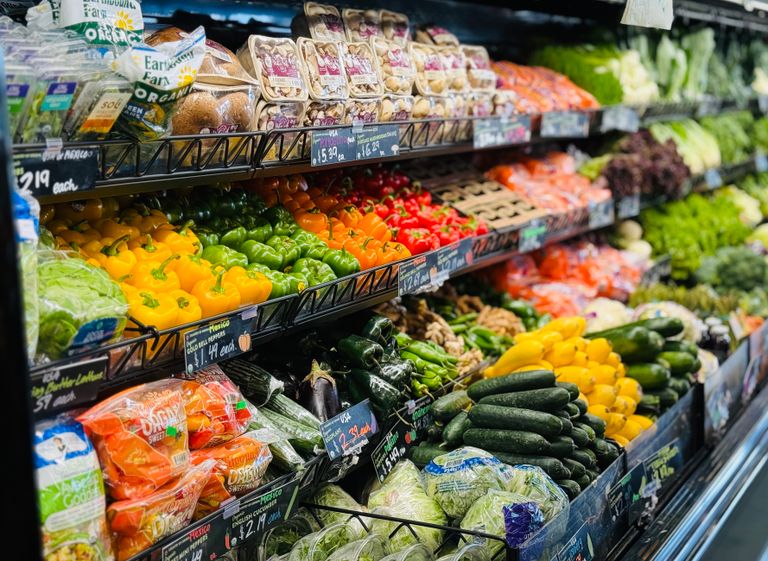
The FSIS guide to keeping bag lunches safe starts its no-refrigeration list with whole fruits and whole vegetables. An apple, a banana, a clementine or a handful of baby carrots left whole can travel without a cold source.
Hard cheese is also on the list. Cheddar cubes or a wedge of Parmesan tucked next to crackers is a lunchbox classic for a reason. The word “whole” matters for the produce, though: FSIS lists cut fruit among the perishable items found in lunch combos, so sliced melon or cut-up fruit cups are a different story.
Families looking for new ways to fill those little compartments can find plenty of ideas in Frenz Hub’s list of easy lunch ideas for kindergarten kids.
Canned meat and canned fish (2 items)
FSIS counts canned meat and canned fish among the foods that do not require refrigeration in a packed lunch. That covers the familiar can of tuna, a staple of brown-bag lunches for generations, along with other shelf-stable canned meats.
Canned tuna has a long history in American kitchens, as the history of canned tuna shows, and its shelf-stable nature is a big part of why it became a pantry go-to. A pop-top can and a sleeve of crackers make an easy lunch that needs no planning the night before, and stocking up on shelf-stable basics fits right in with Frenz Hub’s frugal living tips. Organized pantry shelves help, too, and Frenz Hub’s roundup of clever kitchen tricks for home cooks has a few ideas for keeping lunch staples within reach.
Bread, chips and crackers (3 items)
The FSIS list also includes the dry basics: chips, breads and crackers. None of these need a cold source in the lunch bag, which makes them the easy backbone of most packed meals.
Lunchboxes themselves have changed a lot over the decades, from metal pails to insulated soft bags, as the history of the lunchbox shows. Many adults still remember the pre-dawn routine of the school morning; a list of things ’80s kids did while waiting for the school bus captures that era well.

Peanut butter, jelly, mustard and pickles (4 items)
The last group on the FSIS list covers spreads and condiments: peanut butter, jelly, mustard and pickles. That is good news for the peanut butter and jelly sandwich, a lunchbox fixture whose roots in American cooking go back to the early 1900s. Every part of it is on the no-ice list.
Added up, the three groups above and this one make 12 foods: whole fruits, whole vegetables, hard cheese, canned meat, canned fish, chips, bread, crackers, peanut butter, jelly, mustard and pickles. Kids who helped pack their own lunches back in the day will recognize most of them, as will anyone who remembers the chores kids commonly did in the 1960s and 1970s.
What still needs an ice pack
Prepackaged lunch combos are where FSIS draws a firm line. These kits often contain perishable foods such as luncheon meats, cheese and cut fruit, the agency says, and they must stay refrigerated even though they may be cured or contain preservatives. The same goes for any lunch that includes deli meat, cooked leftovers or other perishable foods.
For those lunches, FSIS recommends at least two cold sources. Two frozen gel packs, each no smaller than 5 by 3 inches, will do, as will a frozen gel pack paired with a frozen juice box or a frozen bottle of water. Insulated, soft-sided lunch bags or boxes work best for keeping food cold, according to the agency, but the two-cold-source rule applies to any type of bag. An ice pack is cheap insurance for a turkey sandwich.
Timing matters as well. FSIS says perishable food should not sit at room temperature for more than 2 hours, or 1 hour when the temperature is above 90 degrees Fahrenheit. The FDA’s safe food handling guidance uses the same 2-hour rule and says refrigerators should hold at 40 degrees or below. For hot foods like soup, chili or stew, FSIS suggests filling an insulated container with boiling water first, emptying it, then adding the piping hot food and keeping it closed until lunch so it stays at 140 degrees or above.
FSIS also advises packing only as much perishable food as will be eaten at lunchtime and throwing out leftover food, used packaging and paper bags afterward rather than reusing them. With the 12 no-ice foods on hand and two frozen packs ready for everything else, the morning scramble gets a little easier.
This article was produced with AI assistance and edited for accuracy against the sources linked above.