Prisons are supposed to keep dangerous criminals out of public view. But some criminal organizations have found ways to turn prison walls into something very different: headquarters for powerful gangs that continue operating behind bars and sometimes influence criminal activity thousands of miles away.
These groups are not simply collections of inmates who share a background or criminal history. Many have established leadership structures, strict internal rules, rivalries, and connections to people operating outside prison walls. Some have been linked to drug trafficking, murder, extortion, money laundering, and organized violence.
What makes them particularly concerning is that imprisonment does not always end their criminal influence. Court cases in the United States and investigations in Brazil have documented gang members coordinating criminal activities while serving prison sentences.
Here are 10 significant prison-origin criminal organizations, their histories, and what makes them dangerous.
Mexican Mafia (La Eme)

The Mexican Mafia, commonly known as La Eme, is one of the most influential prison-origin criminal organizations in the United States. It emerged in California correctional facilities during the late 1950s and developed authority over networks of affiliated street gangs.
Its influence is particularly strong in Southern California. Rather than controlling every street gang directly, the organization has historically used affiliated groups and associates to extend its reach.
Its criminal activities include drug distribution, extortion, illegal gambling, robbery, and murder.
Recent federal prosecutions demonstrate that its influence has not disappeared. In March 2026, several members and associates received life sentences following convictions connected to racketeering and the murder of a federal inmate. Another July 2026 case documented how a murder order moved between incarcerated members before reaching people outside prison.
This ability to maintain influence across prison walls is one of the organization’s most concerning characteristics.
Aryan Brotherhood
The Aryan Brotherhood formed in California prisons around 1964. It became known for its highly organized structure, violent internal culture, and involvement in serious criminal activities.
The organization has operated within California and the federal prison system. Its members have been connected to murder conspiracies, heroin and methamphetamine trafficking, robbery, and firearms offenses.
One particularly revealing case involved former leader Danny Troxell. In November 2025, he received a life sentence for racketeering conspiracy and conspiracy to commit murder.
Trial evidence also documented how members coordinated drug trafficking and murder orders while incarcerated.
The Aryan Brotherhood is not the same organization as the Aryan Brotherhood of Texas. Despite their similar names, they are separate groups.
Nuestra Familia
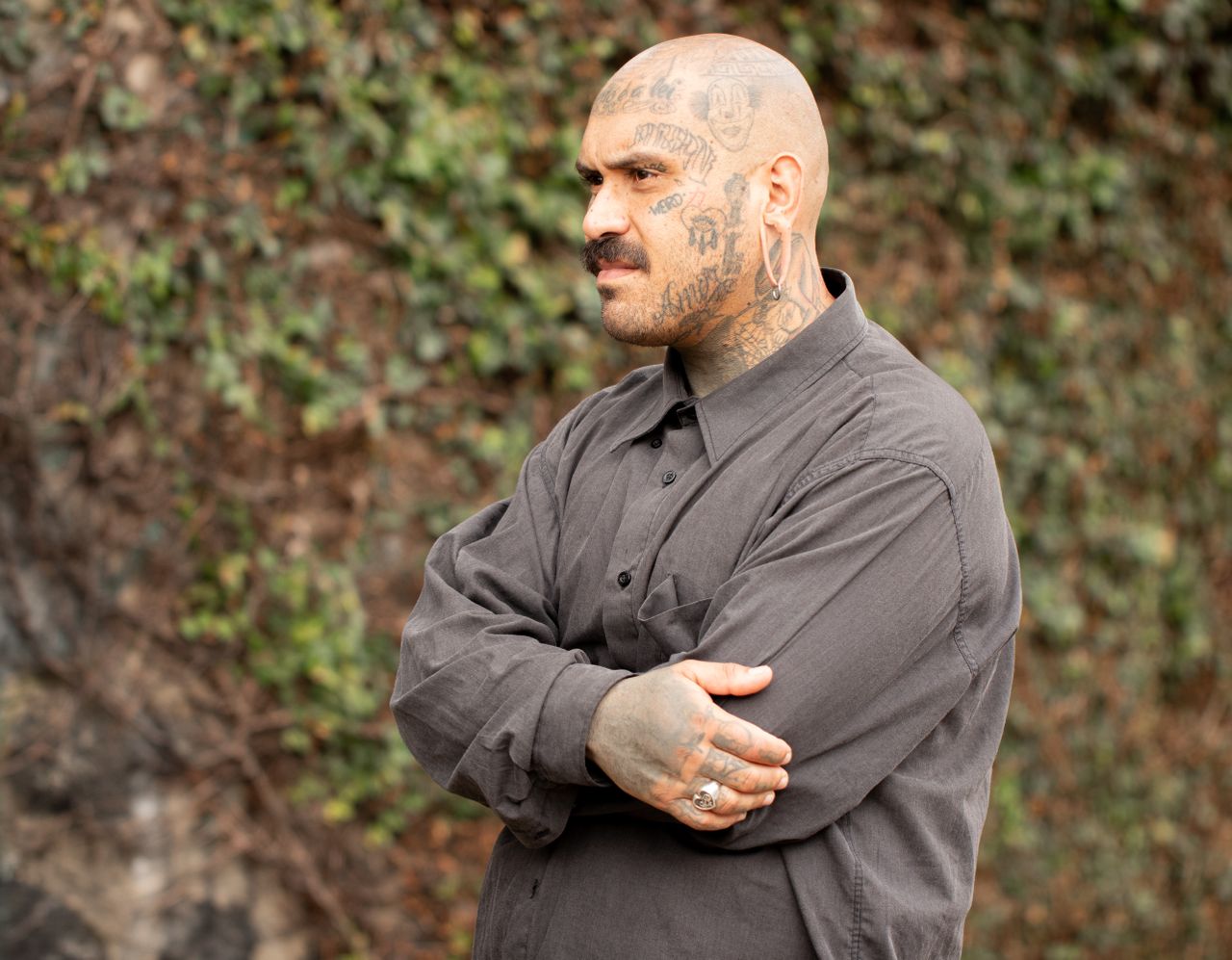
Nuestra Familia developed in California prisons during the 1960s as a response to the growing influence of the Mexican Mafia.
The organization became associated with the Norteño street-gang environment, although being a Norteño affiliate does not automatically make someone a full member.
Unlike loosely connected criminal networks, Nuestra Familia has a documented leadership structure. Federal trial evidence established a General Council, senior leadership positions, prison command responsibilities, and street-level organizations.
Its criminal activities include drug distribution, murder conspiracies, attempted murder, and money laundering.
In June 2025, the U.S. Department of Justice announced that 40 members and associates had been convicted and sentenced in a major federal prosecution. The case included seven people identified as members of the organization’s General Council.
The prosecution showed how difficult it is to dismantle an organization that connects prison leadership with criminal networks outside.
Black Guerrilla Family
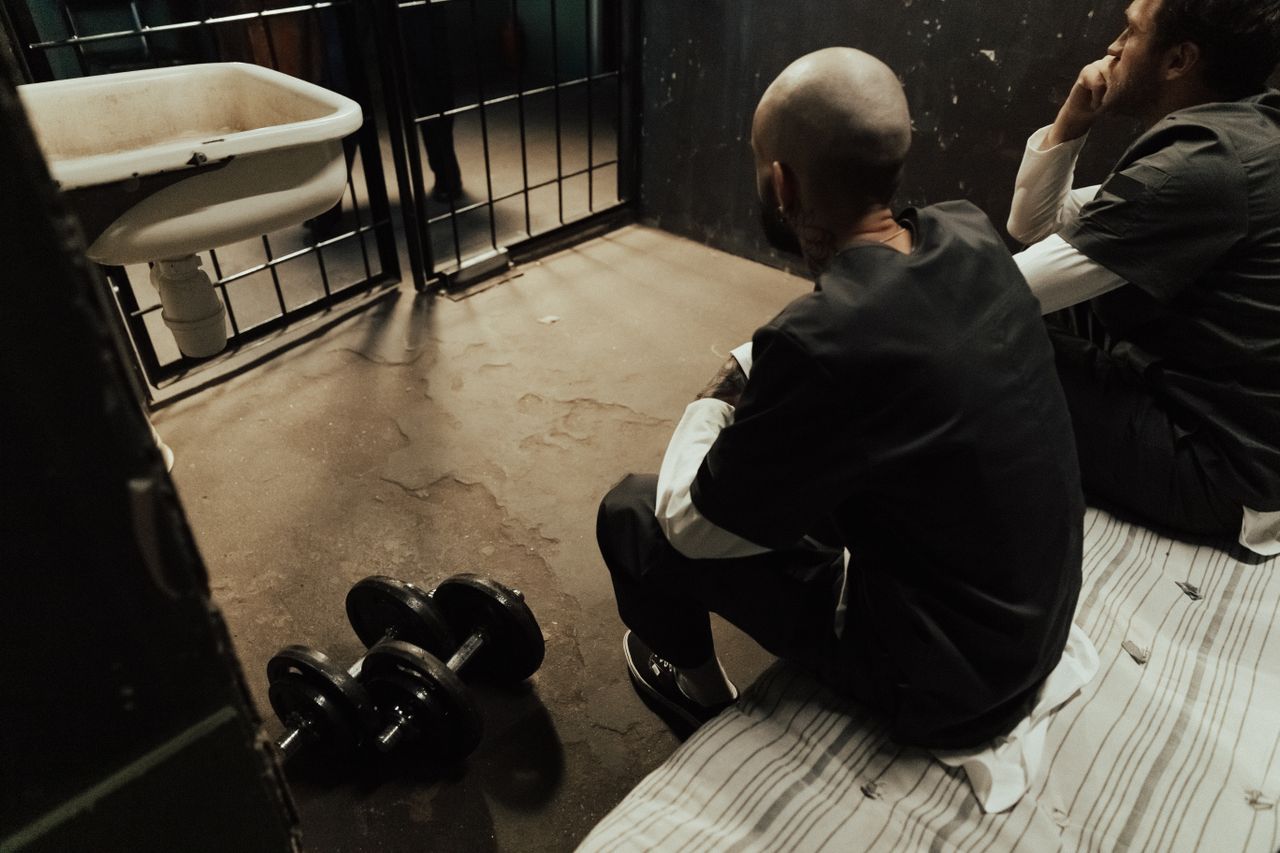
The Black Guerrilla Family, commonly called BGF, is a prison-origin organization established in California in 1966.
Its historical influence has been documented in California and Maryland, particularly through investigations involving prison and detention facilities.
One of the most revealing cases involved Baltimore City Detention Center. Tavon White admitted to operating BGF activities inside the facility, with correctional officers helping bring contraband into the jail in exchange for payments, gifts, or profits.
The resulting investigation produced 40 convictions among 44 defendants, including 24 correctional officers.
The case demonstrated how prison gangs can exploit corruption within correctional institutions rather than relying exclusively on intimidation and violence.
However, publicly available evidence does not establish the organization’s precise national membership or leadership situation in 2026.
Texas Syndicate
Despite its name, the Texas Syndicate has historical roots in California prisons before expanding its influence into Texas.
It has been associated with drug trafficking, firearms offenses, and organized criminal activity involving prison and street networks.
Methamphetamine and heroin distribution feature prominently in federal prosecutions involving the organization.
In March 2025, George Gomez received a 25-year federal sentence for a methamphetamine conspiracy. According to the Department of Justice, he coordinated drug transactions while serving a Texas state prison sentence.
Another prosecution in May 2025 resulted in lengthy sentences for two defendants involved in a heroin and methamphetamine trafficking network.
These cases show how incarceration does not necessarily prevent individuals from maintaining connections to external criminal markets.
Barrio Azteca
Barrio Azteca began as a prison and street gang in the late 1980s before developing into a cross-border criminal organization.
Its activities have been documented around El Paso, Texas, and Ciudad Juárez, Mexico.
The group has been connected to drug trafficking, extortion, money laundering, murder, and organized violence. Its historical relationship with the Juárez Cartel has also been documented in U.S. government records.
One of its most notorious cases involved the March 2010 murders of three people in Ciudad Juárez, including U.S. consulate employee Leslie Ann Enriquez Catton and her husband, Arthur Redelfs.
The case led to a lengthy international investigation.
In December 2025, former leader Eduardo Ravelo pleaded guilty to racketeering and other charges connected to the criminal enterprise. Another defendant, Enrique Guajardo Lopez, pleaded guilty in July 2026.
The case illustrates how a prison-origin organization can develop criminal connections across national borders.
Primeiro Comando da Capital (PCC)
The Primeiro Comando da Capital, better known as PCC or First Capital Command, is among the most internationally influential prison-origin criminal organizations.
It was formed in 1993 at Taubaté prison in São Paulo state. Its early development was connected to demands for prisoner protection and improved conditions following the 1992 Carandiru prison massacre.
Over time, it developed extensive networks outside Brazilian prisons.
The organization has been linked to cocaine trafficking, money laundering, extortion, and contract killings. Government assessments have identified financial and trafficking connections extending into South America, Europe, Africa, Asia, and the United States.
A 2025 report by Deutsche Welle cited an estimate of approximately 40,000 members, although this figure is not based on a publicly available membership census.
PCC’s rivalry with Comando Vermelho has also contributed to Brazil’s prison and criminal-market conflicts.
Its international reach makes it one of the most significant organizations in this research.
Comando Vermelho (Red Command)
Comando Vermelho, or Red Command, emerged inside Cândido Mendes prison in Rio de Janeiro during the 1970s.
It initially developed around prisoner protection and collective organization before expanding into a major criminal network.
Its activities include drug and arms trafficking, territorial control, and violent conflicts with rival organizations.
Unlike some prison gangs with tightly defined leadership structures, Comando Vermelho operates through a more decentralized network. Local groups can maintain considerable independence even when prominent leaders remain influential from prison.
Its long-running rivalry with PCC has contributed to violent conflicts in Brazilian prisons and communities.
InSight Crime’s November 2026 profile describes continuing prison influence, territorial competition, and expansion into parts of the Amazon region.
South Africa’s Numbers Gangs: 26s, 27s and 28s
South Africa has a distinctive prison-gang system involving three related but separate organizations: the 26s, 27s, and 28s.
They should not be treated as one centrally controlled gang. Each has its own identity, traditions, internal rules, and organizational structures.
Research describes the traditional roles associated with the groups as follows:
- 26s: Traditionally associated with acquiring resources and business activities.
- 27s: Associated with enforcing internal gang rules.
- 28s: Traditionally associated with prisoner welfare and internal advocacy.
These descriptions reflect the groups’ internal traditions rather than a complete picture of their activities.
The organizations have been associated with violence, coercion, and control over aspects of prison life.
A May 2025 investigation by the Global Initiative Against Transnational Organized Crime documented changes in recruitment and growing connections between prison and street gangs in South Africa.
Tren de Aragua
Tren de Aragua is a prison-origin criminal organization that developed in Venezuela before expanding its activities across parts of the Western Hemisphere.
Its early development is associated with Tocorón prison in Aragua state. Héctor Rusthenford Guerrero Flores, commonly known as Niño Guerrero, became a prominent leader as the organization expanded.
The group has been linked by government assessments to human trafficking, drug trafficking, extortion, sexual exploitation, money laundering, and murder-for-hire.
Its international expansion has attracted significant attention from law enforcement agencies.
In September 2026, the U.S. Treasury Department announced sanctions targeting an alleged financial network connected to the organization. The announcement also provided updated information about its leadership, although some details surrounding earlier leadership claims remain unclear.
Importantly, migration alone is not evidence that someone belongs to Tren de Aragua. Individual membership claims require reliable evidence.
Why Prison Gangs Remain Difficult to Control
These organizations demonstrate that prison walls do not always separate criminal networks from the outside world.
Some maintain influence through associates, financial connections, and communication between incarcerated members and people outside. Others exploit corruption, weak institutional oversight, and inmates’ dependence on gangs for protection.
Law enforcement agencies have responded with racketeering prosecutions, international cooperation, prison transfers, and financial sanctions. However, arresting senior figures does not automatically eliminate an organization’s wider network.
No reliable global measure allows researchers to rank these organizations by membership, revenue, or annual gang-related killings.
Ultimately, the most important lesson is that prison gangs are not all alike. Some operate through rigid hierarchies, others through decentralized networks, and some function as broader systems of prison governance.
Their influence depends not simply on how many members they have, but on how effectively they maintain connections, control resources, and extend their authority beyond prison walls.