When the lights go out, a refrigerator sorts itself into two shelves of decisions. According to the federal food safety chart for power outages, hard cheeses and butter can stay after the power fails, while milk and soft cheeses must be thrown out once they have sat at 40°F or above for more than 2 hours.
The chart is a long, specific list, and the cheese and dairy lines are the ones most cooks ask about first. Hard cheeses such as cheddar, Colby, Swiss, Parmesan, provolone and Romano are on the keep list. Brie, cottage cheese, cream cheese, mozzarella, ricotta and blue cheese are on the discard list, along with shredded cheese, milk, cream, sour cream, buttermilk and yogurt.

The Clock Starts at 40°F
The chart’s discard column is headed “Exposed to temperatures of 40°F or above for more than 2 hours.” That is a different measure from how long a closed refrigerator stays cold. The federal CDC emergency food guidance says food stays safe for about 4 hours in a refrigerator with the doors kept closed, and the American Red Cross gives the same figure for an unopened refrigerator.
The two numbers work together. The fridge itself holds its temperature for about 4 hours, and once food has been measured at 40°F or above, the 2-hour chart rule applies. Winter storms are one cause of outages, and the almanacs’ competing outlooks, covered in a piece on how the two almanacs disagree on the South this winter, are a reason to review the plan before bad weather arrives.
Households with a backup generator can check whether theirs is covered by the recall of about 2,960 Cummins Onan dual-fuel generators before the next storm, and a guide to energy efficient home improvements covers the other end of the power bill.
What Can Stay After the Outage
Beyond cheese and butter, the keep list covers a lot of the door shelves. Processed cheese and grated Parmesan or Romano in a can or jar stay, along with margarine, uncut fresh fruit, opened fruit juice, opened canned fruit, dried fruit, raisins, candied fruit and dates.
Peanut butter, jelly, relish, taco sauce, mustard, ketchup, olives and pickles are on the list. So are Worcestershire, soy, barbecue and hoisin sauces, opened vinegar-based dressings, bread, rolls, cakes, muffins, tortillas, waffles, pancakes, bagels and fruit pies. In the produce drawer, uncut fresh vegetables, fresh mushrooms, herbs and spices can stay. Shelf-stable pantry items and winter supplies are easier to manage with a plan, which is the idea behind a guide to best practices for seasonal storage.

What Must Go
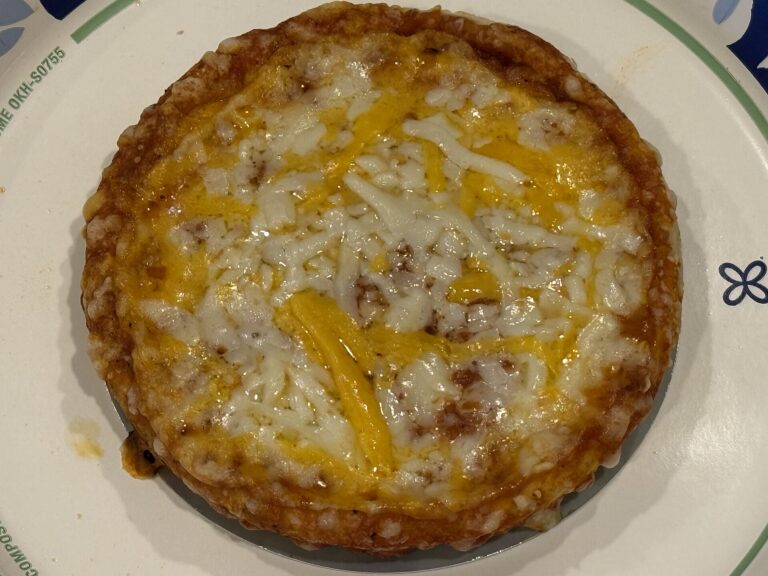
The discard list is longer and mostly covers anything cooked, cut or opened. Raw or leftover cooked meat, poultry, fish and seafood go, as do meat, tuna, shrimp, chicken and egg salads, gravy, stuffing and broth. Lunchmeats, hot dogs, bacon, sausage and pizza with any topping are on the list, as are casseroles, soups and stews.
Dairy and eggs are the other big group: milk, cream, sour cream, buttermilk, evaporated milk, yogurt, eggnog, fresh shell eggs, hard-cooked eggs in the shell, custards, puddings and quiche. Cut fresh fruit, cut fresh vegetables, pre-cut packaged greens, cooked vegetables, cooked pasta, rice and potatoes also go, and so do potato salad and pasta salads with mayonnaise. Opened mayonnaise, tartar sauce and horseradish have their own rule: discard if they were above 50°F for more than 8 hours. Replacing a refrigerator full of groceries adds up quickly, and it is one reason a guide to saving money for an emergency fund belongs next to any outage plan.
The Red Cross and the CDC both close with the same line: “When in doubt, throw it out.” The FoodSafety.gov chart adds its own rule, “Never taste food to determine its safety.”
The Freezer Gets More Time
A freezer holds longer than a refrigerator. FoodSafety.gov says a full freezer keeps a safe temperature for about 48 hours and a half-full freezer for about 24 hours, as long as the door stays closed. The Red Cross gives the same two figures, and Illinois Extension says properly handled food held at 0°F stays safe as long as it has not thawed, which is why the freezer door stays shut.
When the power returns, the chart says foods that still contain ice crystals, or that are at 40°F or below, can be refrozen, though quality may suffer. Meat, poultry, seafood, stews and soups follow that rule, while ice cream and frozen yogurt are discarded either way. Purdue Extension says most partially thawed foods can be refrozen if they are firm in the center, and it lists thawed casseroles, cream pies and vegetables among the foods that should not be. Hard cheeses and breads without custard can be refrozen in both cases, according to the chart.
Preparing Before the Next Outage
Both the CDC and the American Red Cross recommend a thermometer in the refrigerator and the freezer. The CDC puts the targets at 40°F or below for the refrigerator and 0°F or below for the freezer, and says to check that the refrigerator thermometer reads 40°F or below when the power returns. It also recommends freezing water containers and gel packs ahead of time to help keep food cold.
If an outage runs past the 4-hour mark, the CDC says to move refrigerated perishables into a cooler with ice or frozen gel packs, keeping them at 40°F or below. The Red Cross adds that fresh perishables are the first thing to eat.
For the fridge, the short version is easy to remember: hard cheese and butter stay, milk and soft cheese go, and any perishable at 40°F or above for more than 2 hours is discarded. The freezer buys 24 to 48 hours with the door shut.
This article was produced with AI assistance and edited for accuracy against the sources linked above.