The gravy boat is usually the last dish to reach the Thanksgiving table and one of the first to be forgotten once the plates are cleared. It sits next to the mashed potatoes through a long meal, and what happens to the leftovers afterward comes down to two rules from the federal government.
The U.S. Department of Agriculture’s Food Safety and Inspection Service says gravies, sauces and soups should be brought to a rolling boil when reheated, and that leftovers should be refrigerated within 2 hours of cooking, according to its leftovers and food safety page. The window shrinks to 1 hour when the air temperature is above 90 F.

The Rolling Boil Rule for Gravy, Sauce and Soup
The agency’s wording is direct: reheat sauces, soups and gravies by bringing them to a rolling boil. A rolling boil is the kind that keeps bubbling hard across the surface, not a few bubbles at the edge of the pan.
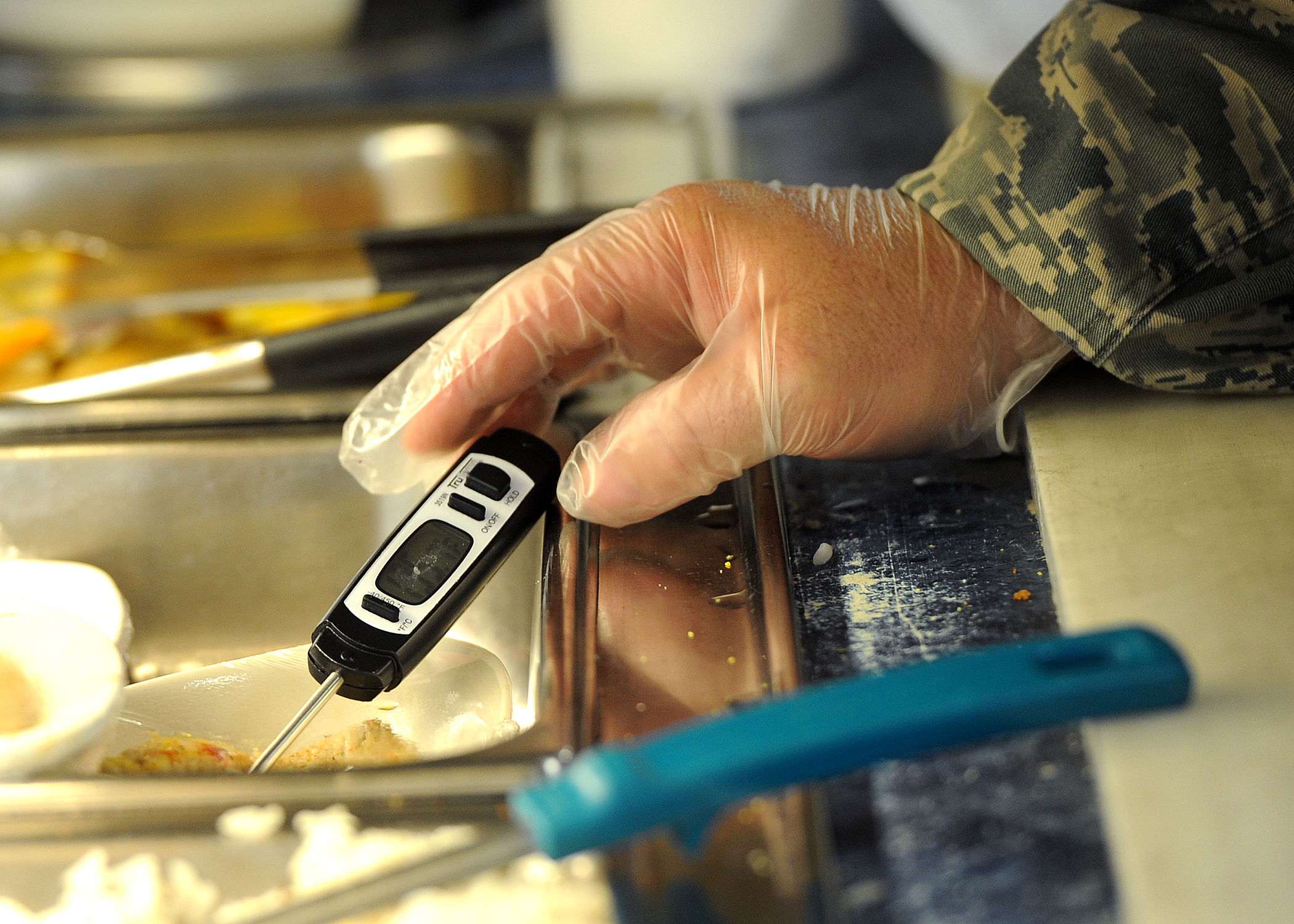
Other leftovers follow a different yardstick. The same page says to reheat them to 165 F, measured with a food thermometer, and to cover food while it reheats. A thermometer reading of 165 F is the signal for a casserole or a slice of turkey, while the boil is the signal for the gravy.
The rule matters because gravy is a fixture at the holiday table, and Frenz Hub’s list of strange Thanksgiving traditions that everyone pretends are not weird shows how many households have rituals around the meal. Many families have a gravy routine, from who stirs the pan to who gets the last spoonful, and the USDA’s boil fits into that routine without changing the recipe.
Two Hours, or One Hour When the Room Is Hot
The 2-hour limit counts from the end of cooking or from the moment food comes off a warming appliance. On a typical Thanksgiving, that means gravy taken off the stove at 2 p.m. should be in the refrigerator by 4 p.m., even if the table is still full and the football game is in the second quarter. Dishes can wait for the dishwasher, and a guide to cleaning a dishwasher to reduce smells and dirt covers the machine’s side of the aftermath, but the gravy cannot wait.
The reason is the temperature range the USDA calls the danger zone. Its stuffing and food safety page defines it as 40 F to 140 F, the range in which bacteria grow rapidly. A gravy boat that stays out through dessert, coffee and a card game spends that whole time in the range. The 1-hour limit applies when the air is above 90 F, which can matter for a buffet in a sunny room or a table set outdoors.
Hosts who stagger a holiday meal over several hours can use a short checklist like the one in 8 things never to do before leaving home for Thanksgiving travel, which shows how a few tasks done on time keep the day running.
Shallow Containers Cool a Big Batch Faster
For large quantities, the USDA suggests dividing food into shallow containers so it cools quickly. The page uses a big pot of soup as the example. A pot of gravy made for 10 guests is a similar case: a deep stockpot holds heat in the middle, while two or three shallow containers give up heat faster. Many handed-down recipes, including the era covered in foods from the 1960s that most boomers loved, call for gravy by the big pot, and that is the case where shallow containers matter most. Holiday shoppers who write a list before heading to the store, like the people in people who never go shopping without a written list, can add shallow storage containers and a food thermometer to it.
Once chilled, refrigerated leftovers keep for 3 to 4 days, the USDA says, and frozen leftovers keep best for 3 to 4 months. With Thanksgiving on Thursday, Nov. 26, gravy chilled that evening reaches the end of the 3-to-4-day window on Sunday, Nov. 29, or Monday, Nov. 30. The page was last updated July 31, 2020.
A Clock-Based Plan for the Gravy Boat
The two USDA rules fit into a simple sequence. Note the time when the gravy leaves the stove or the warming appliance. Set a timer for 2 hours, or 1 hour on a hot day. When the timer sounds, pour what is left into shallow containers and refrigerate them.
On the day of reheating, bring the gravy to a rolling boil, stirring as it heats, and let it reach that boil before it is served. The other leftovers on the plate need 165 F, checked with a thermometer. For the gravy, the clock and the boil are all that is needed.
Where Gravy Came From
Gravy is older than the holiday it now anchors. Wikipedia describes it as a sauce made from the natural juices that meat and vegetables release during cooking, usually thickened with flour or cornstarch and sometimes darkened with gravy browning or bouillon cubes.
The word traces back to the Old French term for meat or fish broth, which appeared as gravé or grané in 14th-century manuscripts, and one of the earliest English mentions is in The Forme of Cury, a 14th-century recipe book. The first instant gravy, a powder mixed with water, came from the British company Bisto in 1908.
This article was produced with AI assistance and edited for accuracy against the sources linked above.
Image: Peachyeung316 – CC BY-SA 4.0/Wikimedia Commons