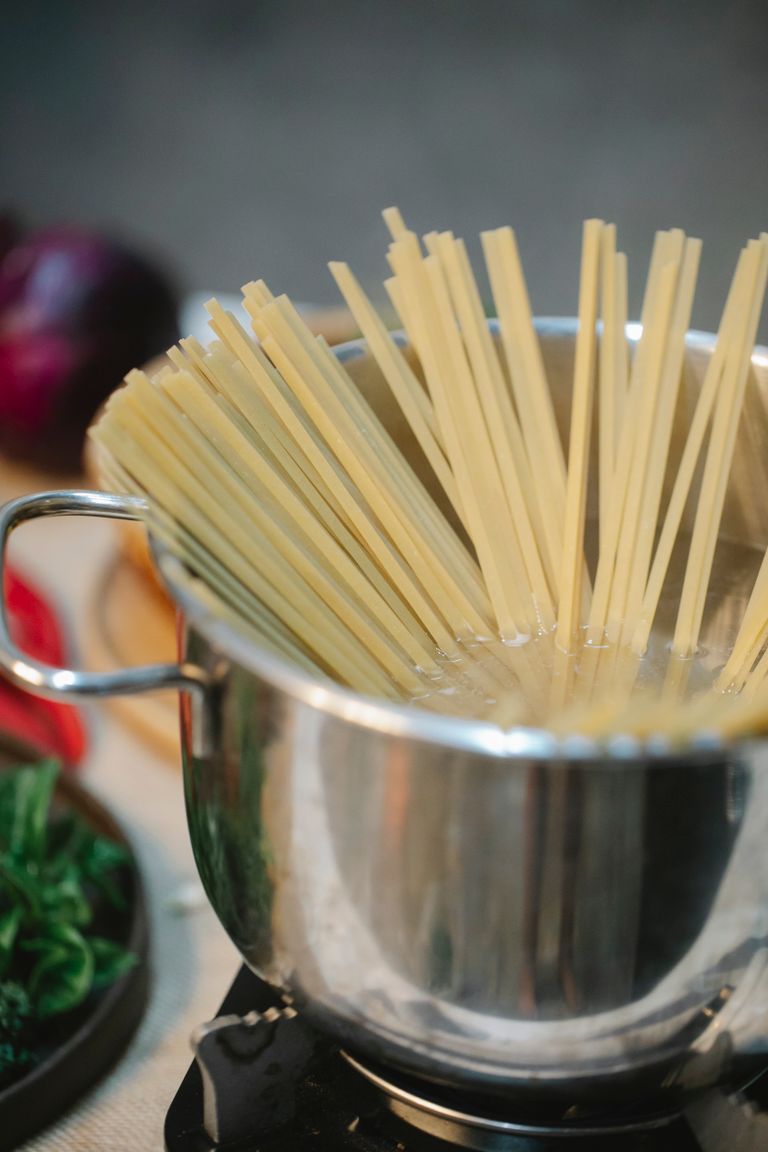
Pizza arrived in America with Italian immigrants, and cooks in different cities reshaped it with local ovens, pans and cheeses. Some styles began in a single pizzeria, while others grew out of bakeries and taverns. Here are eight pizza styles found across America, with a source page for each.
1. New York-style pizza: Hand-tossed, foldable and sold by the slice
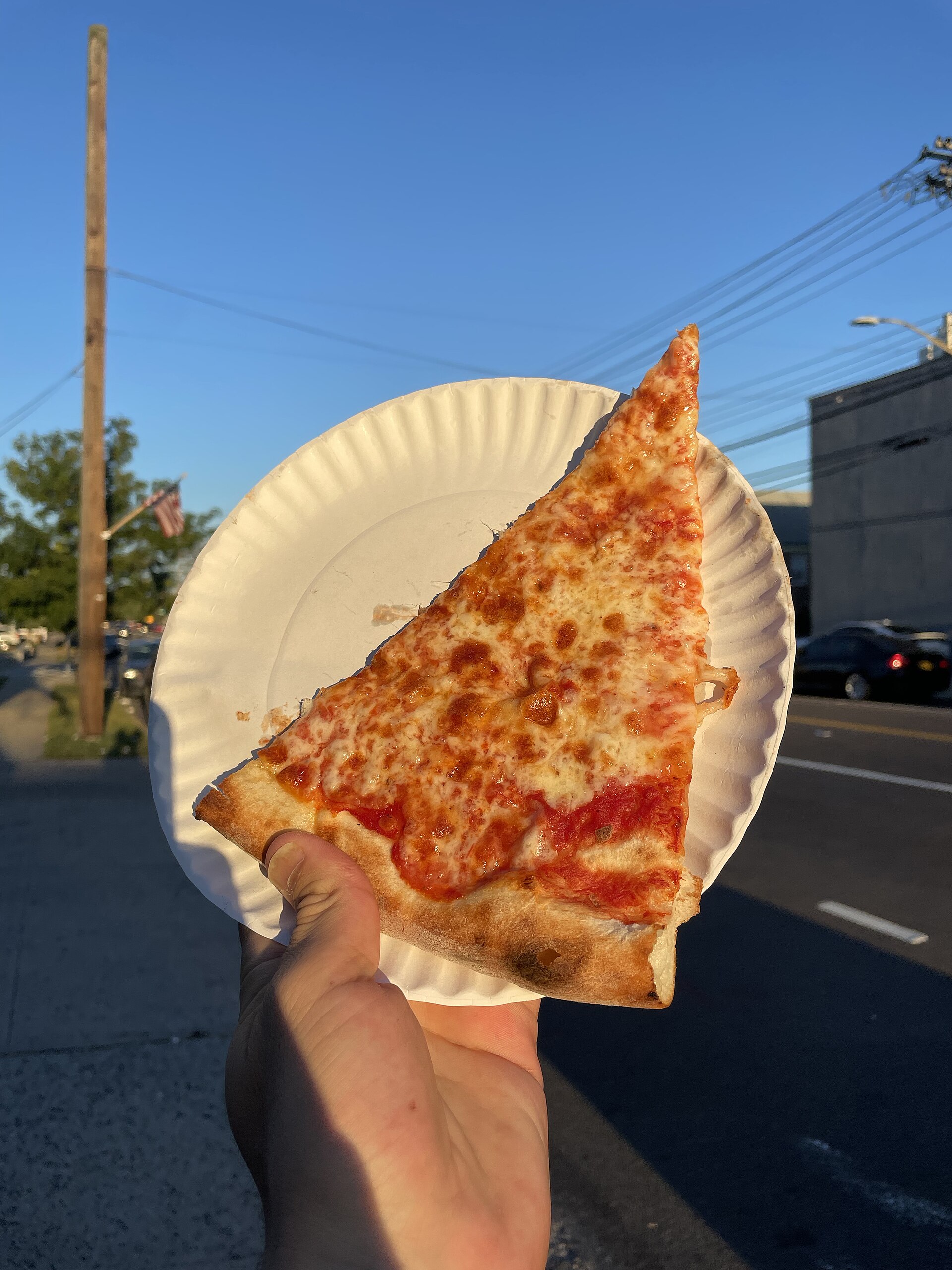
New York-style pizza has a large, hand-tossed thin crust that is thick and crisp only along the edge, yet soft and pliable enough beneath the toppings to be folded, according to Wikipedia. Traditional toppings are simply tomato sauce and shredded mozzarella.
The style evolved from pizza made by Neapolitan immigrants in New York City in the early 1900s. Lombardi’s, founded in Little Italy in 1905, is credited as the first licensed pizzeria in the country, though the claim has been challenged. Pies are typically 18 to 24 inches wide and cut into eight slices, and the crust owes its texture to high-gluten bread flour.
2. Chicago-style pizza: A thick-crusted pie from 1943
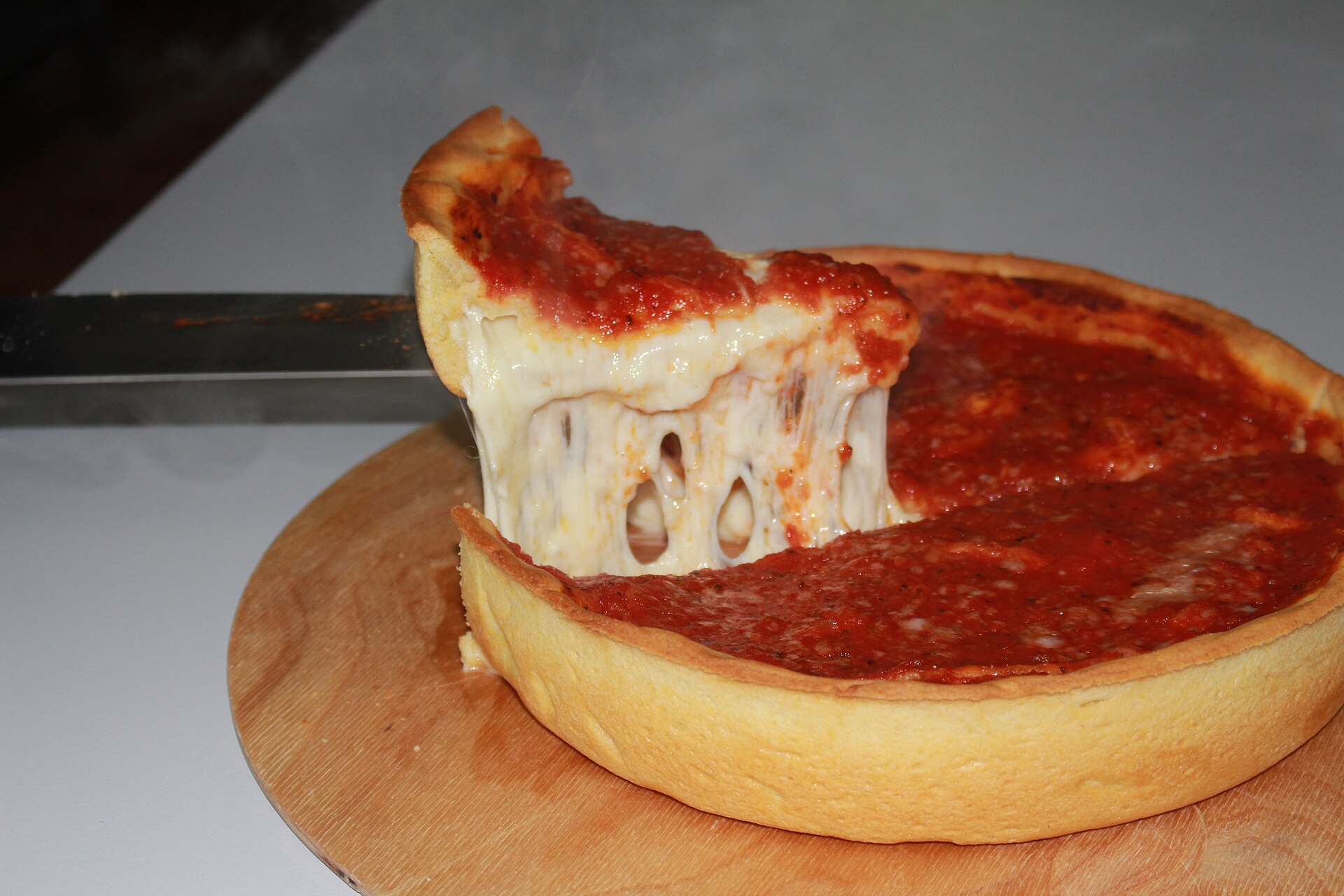
The Chicago History Museum says Chicago-style pizza first appeared in fall 1943 with the opening of Pizzeria Uno, started by restaurateur Ric Riccardo and liquor salesman Ike Sewell, with his wife Florence. Lou Malnati was brought over to help run the new restaurant.
The museum describes three hallmarks: enormous amounts of cheese on a thick, sweet pastry shell crust, very hot ovens near 600 degrees with cornmeal in the pan, and long cooking times of 50 to 60 minutes for a medium pie. Sewell later opened Pizzeria Due a few blocks away, and the style spread across Chicago and beyond.
3. Detroit-style pizza: Square pies from auto-plant pans
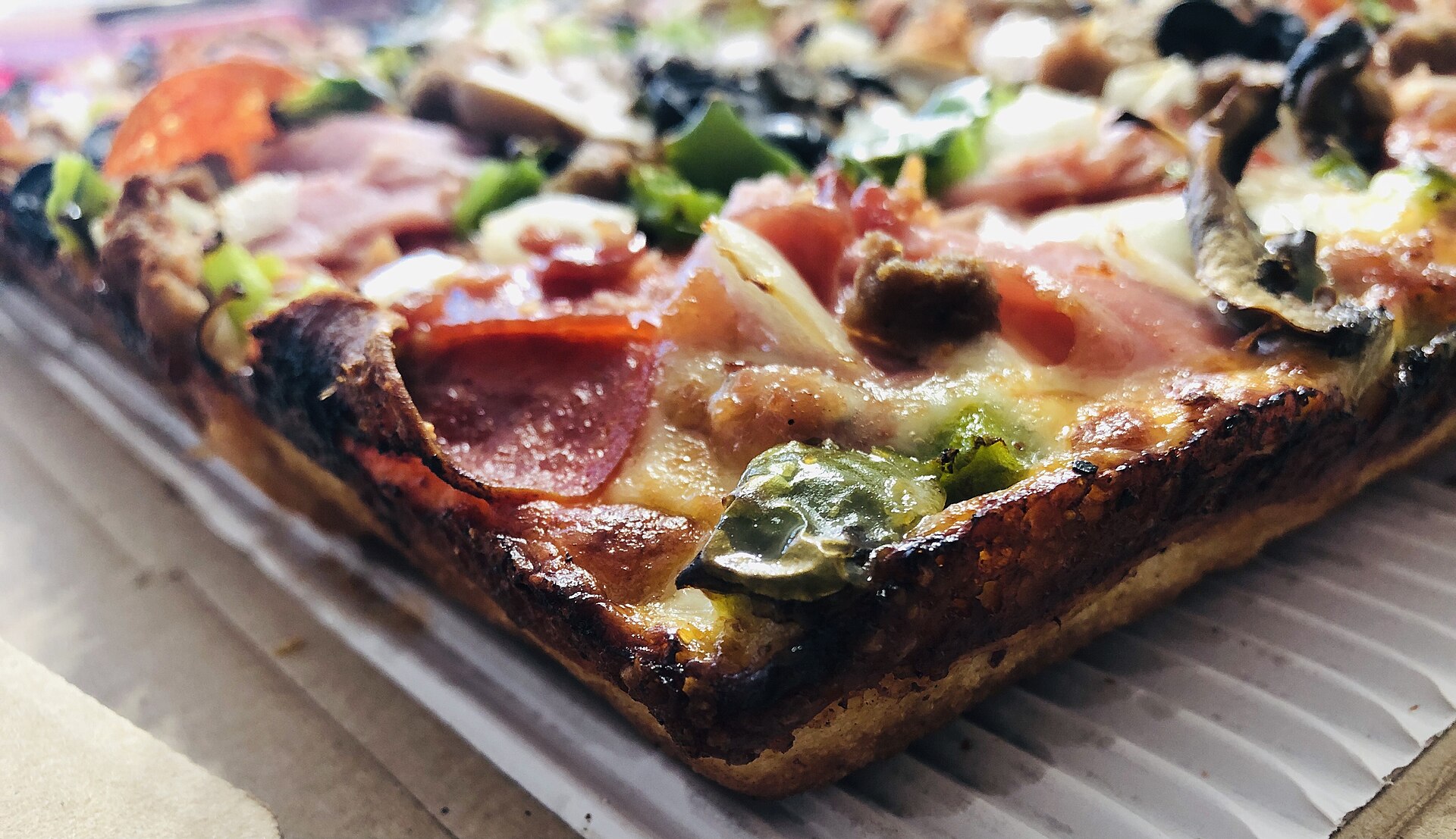
Buddy’s says the Detroit-style pizza legacy began in 1946 at Buddy’s Rendezvous Pizzeria at Six Mile and Conant on the city’s east side, when Gus Guerra made his first square-shaped pizza. The pizzeria calls it the first known square pizza in the country.
It was baked in forged-steel pans borrowed from local automotive plants, which produced a very light, crispy crust. The style is recognizable by its square shape and crunchy, cheesy corner slices. Buddy’s says it was influenced by square Sicilian-style pizza and begins with double-proofed dough fit to a pan, followed by backwards layering of toppings.
4. St. Louis-style pizza: Square-cut pies topped with Provel
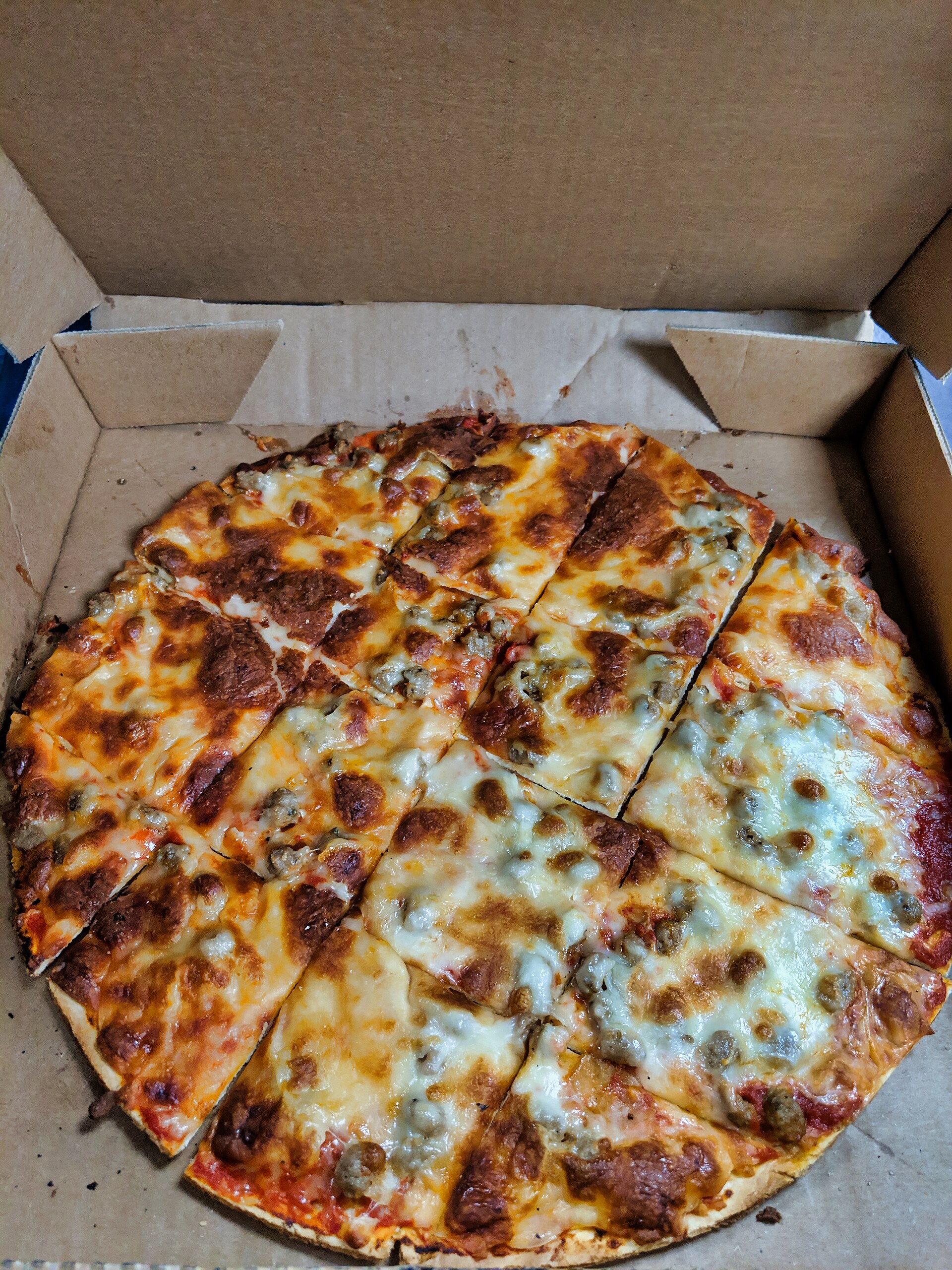
Imo’s Pizza says it was 1964 when Ed and Margie Imo opened a pizza parlor in The Hill neighborhood, and their square-cut pies became synonymous with St. Louis-style pizza. The couple took five years to save $1,500, and their first kitchen had a used oven, two refrigerators and a stove bought for $75.
The chef they hired chose Provel cheese in place of the mozzarella traditionally used on South St. Louis pizza, and it was a hot success. When supply became a problem, Ed Imo bought the business that held the only rights to distribute Provel in St. Louis. Today Imo’s has nearly 100 franchise locations in Missouri, Illinois and Kansas.
5. New Haven-style pizza: Coal-fired apizza from Wooster Street
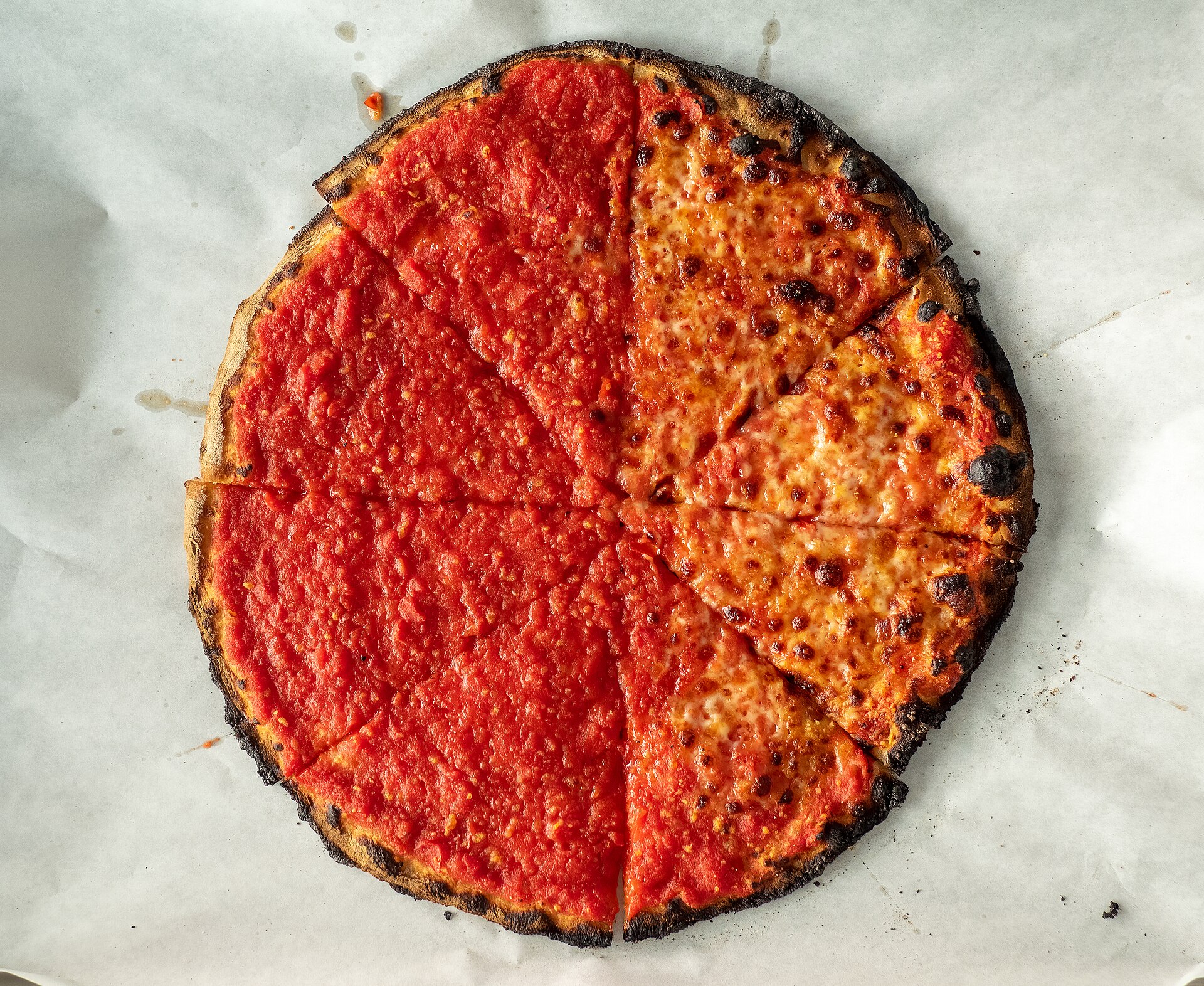
Frank Pepe Pizzeria Napoletana says New Haven apizza began when Frank Pepe, who came through Ellis Island in 1909, opened his pizzeria on Wooster Street in June 1925, at first selling apizza from a cart. The original menu was a pie with tomatoes, pecorino, garlic, oregano and olive oil, plus an anchovy version.
The pizzeria says its dough is wetter and ferments longer, and the hot, dry air of its coal-fired brick oven gives the crust a bubbly, ciabatta-like quality, crisp outside and chewy within. The ovens are 14 feet by 14 feet and weigh 100,000 pounds. Pepe’s opened its first location outside New Haven, in Fairfield, in 2006.
6. California-style pizza: Pizza with fresh, inventive toppings
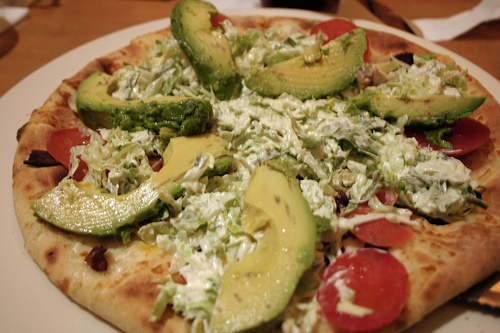
California-style pizza combines New York and Italian thin crust with toppings from the California cuisine cooking style, Wikipedia says. It was invented more or less at the same time in 1980 by chef Ed LaDou at Prego in San Francisco and by pizza chefs at Alice Waters’ Chez Panisse Cafe in Berkeley.
Wolfgang Puck met LaDou, hired him as head pizza chef at Spago in West Hollywood and popularized the style across the country. LaDou later developed more than 250 pizza concepts there, including a smoked salmon pizza. In 1985 he helped two lawyers start California Pizza Kitchen, which borrowed the open kitchen and wood-burning oven.
7. Tavern-style pizza: Thin, crisp and cut into squares
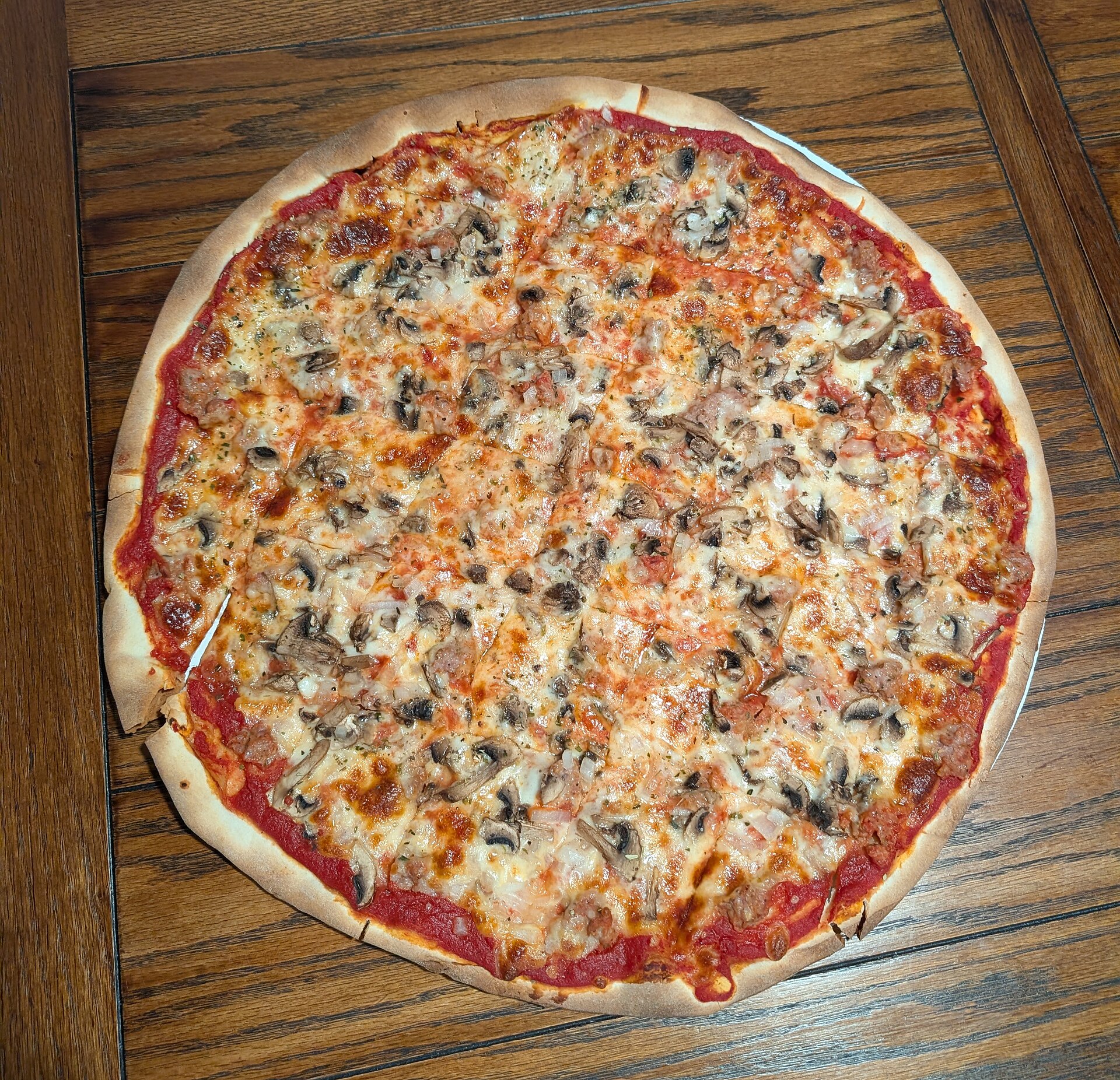
Tavern-style pizza has a thin crust firm enough to give a noticeable crunch, with slices cut into squares instead of wedges, according to Wikipedia. It is also called party cut, and the dough is rolled out before baking rather than hand-tossed. Claims to originating it come from both Milwaukee and Chicago.
Milwaukee’s claim dates to the Caradaro Club, which opened in 1945. The classic story is that co-owner Joe Todaro and his wife Agatha married Neapolitan pizza’s thin crust with Sicilian pizza’s rectangular slices. One origin story says the square slices let a customer hold a slice in one hand and a beer in the other.
8. Sicilian pizza: A thick, rectangular slice with island roots
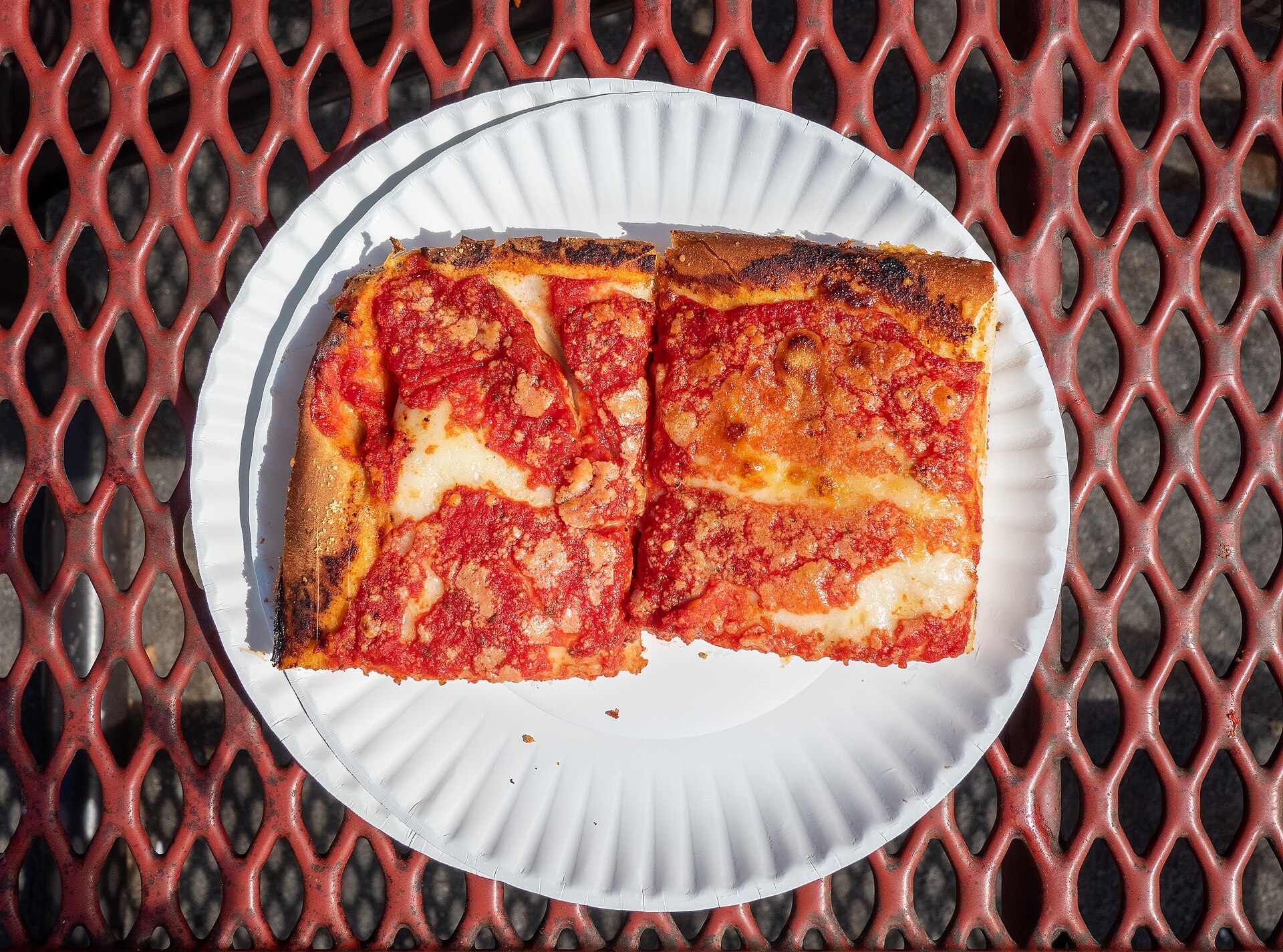
Pizza from Sicily became a popular dish in western Sicily by the mid-19th century, and Sicilian pizza was the type usually eaten there until the 1860s, according to Wikipedia. It eventually reached North America in an altered form, with a thicker crust and a rectangular shape.
Traditional Sicilian pizza is often thick-crusted and rectangular, topped with tomatoes, herbs, onions, anchovies and strong cheeses such as caciocavallo. Sfincione, a common variety from the Palermo area, has more dough and sauce and less cheese than Neapolitan pizza, and the sauce is sometimes placed on top of the other toppings so it does not soak into the thick dough.
This article was produced with AI assistance and edited for accuracy against the sources linked above.