Seafood, molasses and maple define a cuisine that stretches from Maine’s lobster shacks to Boston’s baked beans, with bakers and clam shack cooks adding their own classics along the way. Several of these dishes carry disputed origin stories, and each has a source page for the details. Here are ten classic New England foods.
1. Fried clams: Born at an Essex roadside shack
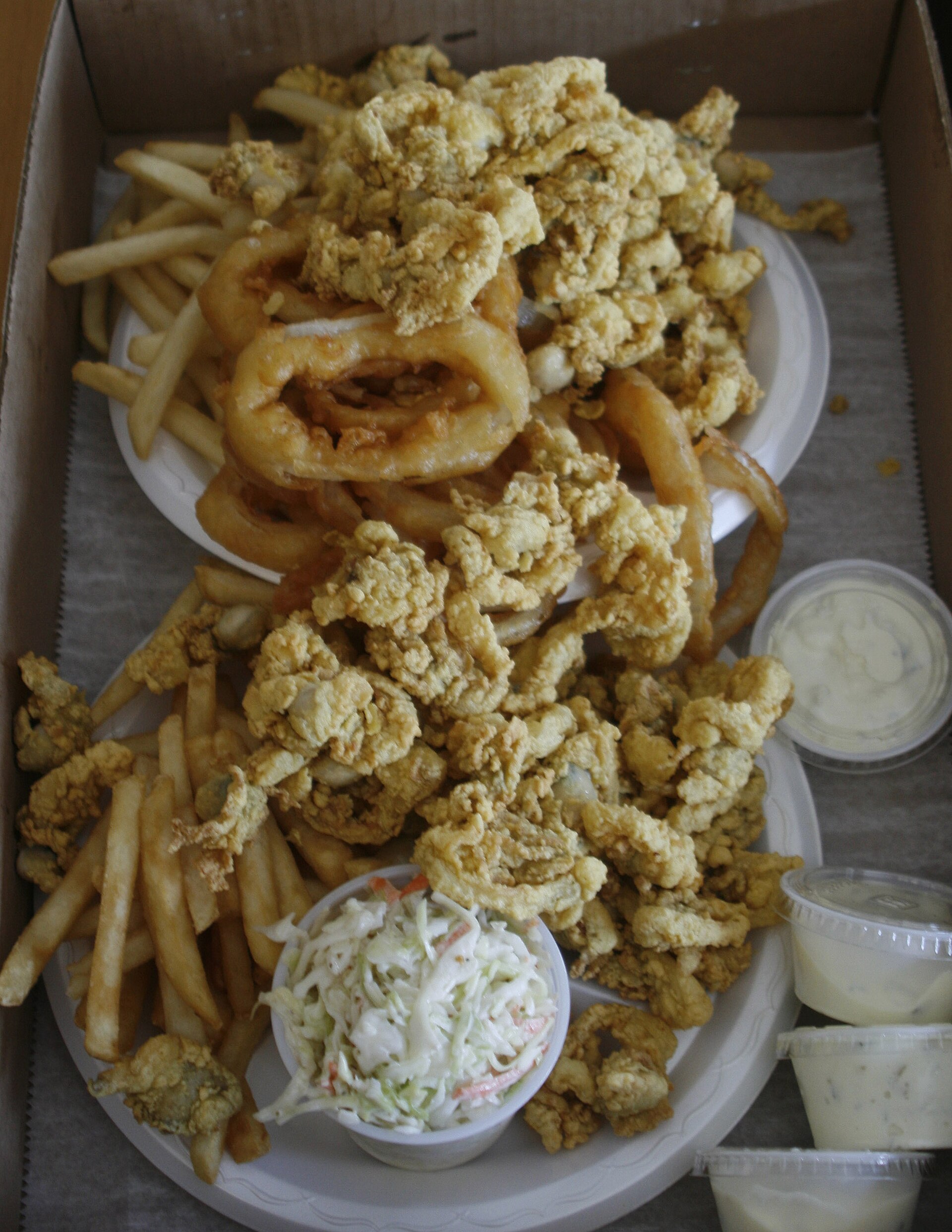
Woodman’s of Essex says that in 1916, Chubby Woodman invented the fried clam, presenting clams coated with corn flour and deep fried in a kettle of lard during the Fourth of July parade in Essex, Massachusetts. He and his wife Bessie had opened their roadside clam shack on the Essex causeway in 1914.
Wikipedia calls fried clams an iconic food, said to be to New England what barbecue is to the South. The clams are dipped in milk, floured and deep-fried, and they tend to be served at seaside clam shacks. The usual New England version uses whole soft-shell clams, known as whole-bellies, which have a fuller flavor.
2. Boston baked beans: Sweetened with molasses
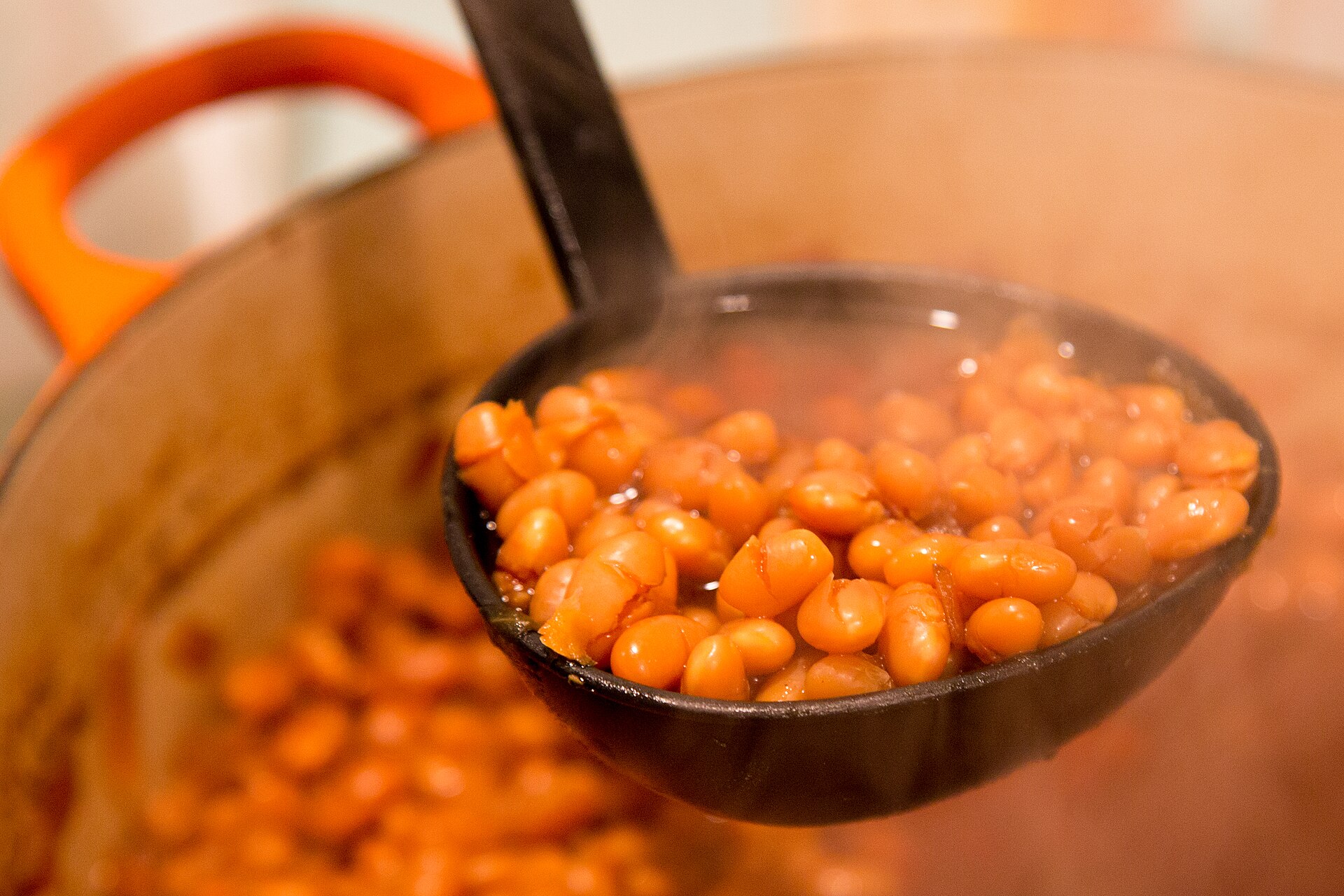
Boston baked beans are a variety of baked beans sweetened with molasses and flavored with salt pork or bacon, according to Wikipedia. The Pilgrims at Plymouth Colony brought recipes for bean and bacon pottage in the early 1620s, and molasses later gave New England beans a distinctive style.
In colonial New England, baked beans were traditionally cooked on Saturdays and left in brick ovens overnight, so a hot meal was ready on Sunday without breaking Sabbath rules. Boston beans use small white navy or pea beans, while Maine beans use native varieties such as yellow-eye. Boston earned the nickname Beantown from the dish.
3. Maple syrup: Forty gallons of sap for one of syrup
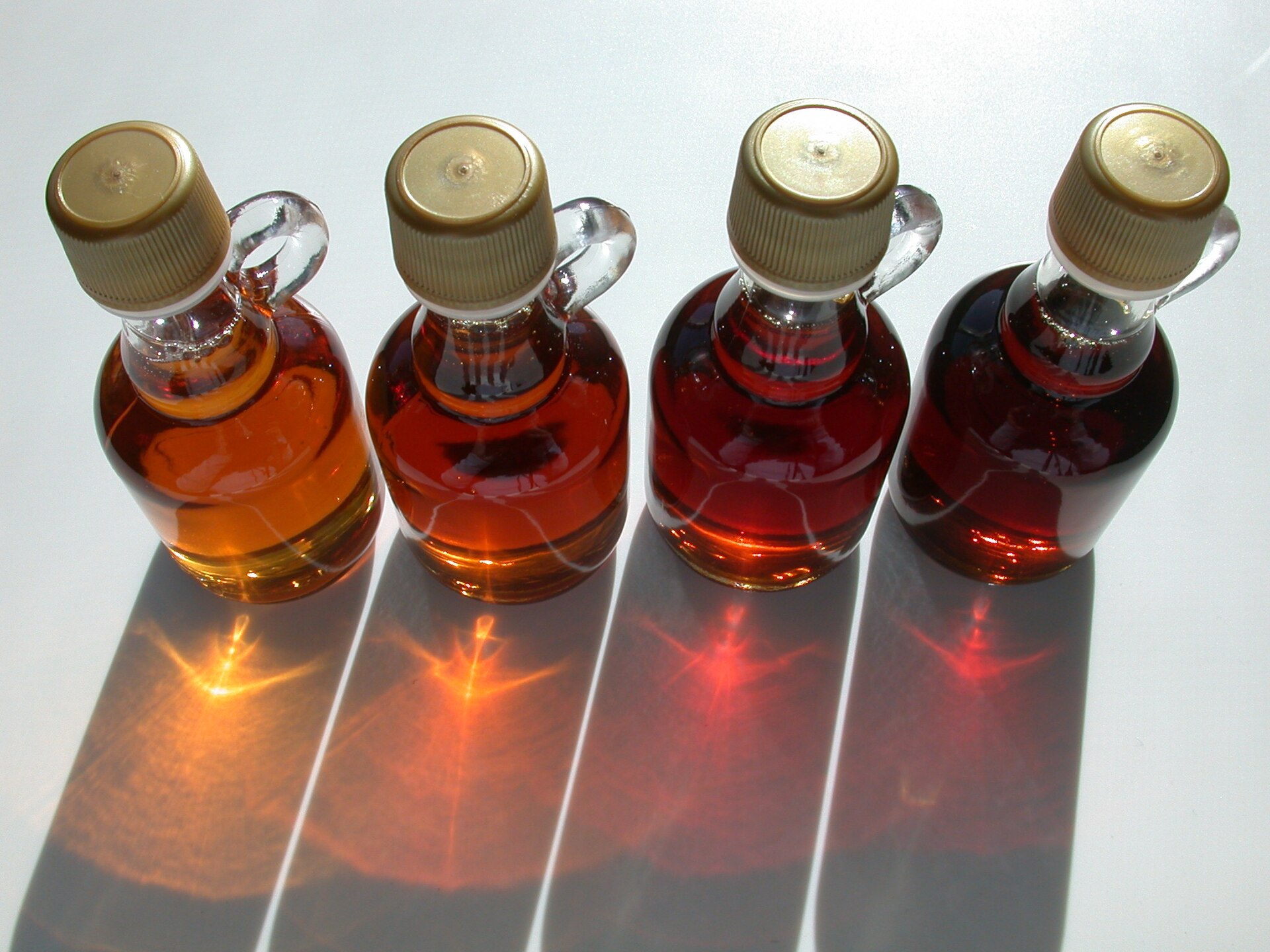
The Vermont Maple Sugar Makers’ Association explains how maple syrup is made. On average it takes 40 gallons of sap to make one gallon of syrup, and maple sap is mostly clear water with about 2 percent sugar. Sap flows when nights fall below freezing and days climb to at least 40 to 45 degrees.
A typical sugaring season lasts 4 to 6 weeks, and a tree must be about 40 years old to be large enough to tap. Sugar makers boil the sap in an evaporator, often after reverse osmosis removes some of the water. The association says Vermont produces roughly half of the national crop, about 3.064 million gallons in 2025.
4. American chop suey: A macaroni and beef casserole
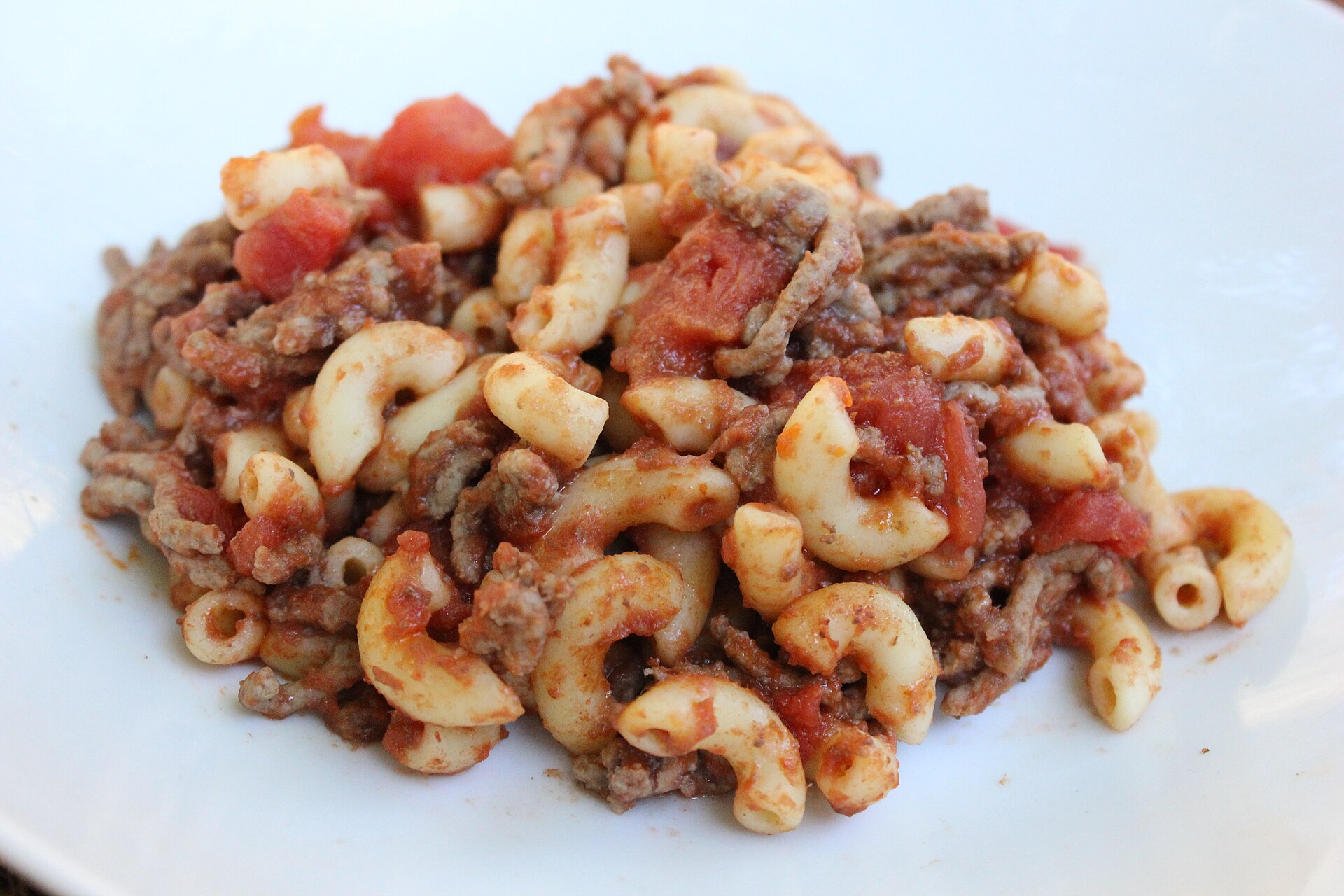
American chop suey is a pasta casserole made with ground beef, macaroni and a seasoned tomato sauce, found in the cuisine of New England and other regions, Wikipedia says. Despite its name, it has only a very distant relation to the chop suey of Chinese and American Chinese cuisine.
Outside New England it is sometimes called American goulash or Johnny Marzetti. The standard version uses elbow macaroni and cooked ground beef with sauteed onions in a thick tomato sauce. The name likely reflects a haphazard hodgepodge of meat, vegetables and Italian seasonings, and the dish once used rice instead of pasta.
5. Clambake: A seaside feast steamed over seaweed
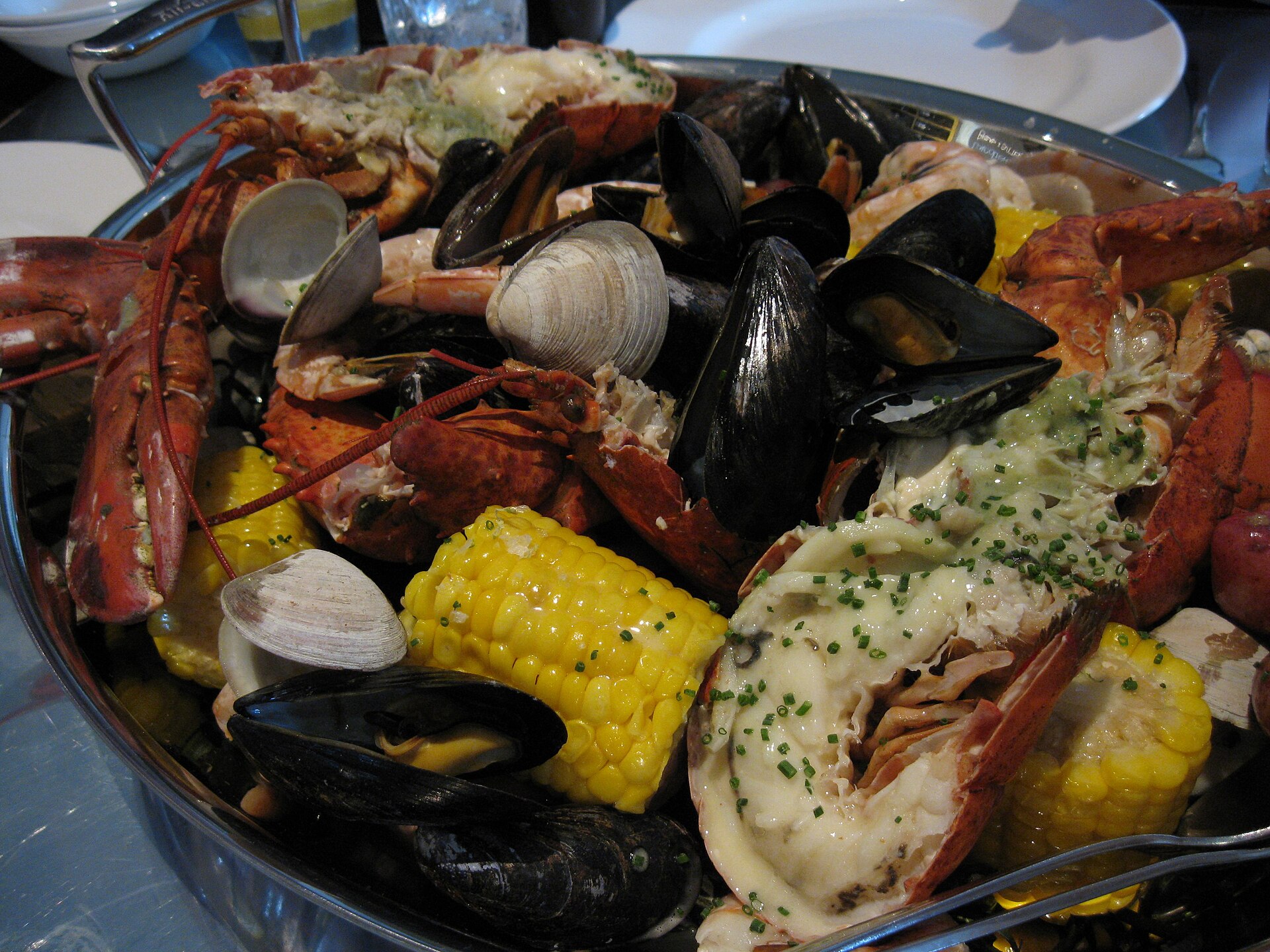
The clambake is a traditional method of cooking seafood such as lobster, mussels, crabs and soft-shell clams, steaming the food over layers of seaweed in a pit oven. Wikipedia says vegetables such as onions, carrots and corn on the cob often join the shellfish.
Contrary to legend, colonists did not learn to enjoy baked clams from Native Americans. The clambake as it is now known was developed after the American Revolution and exploded in popularity after the Civil War, when Rhode Island businessmen ran many clambake pavilions. A Quaker clambake in Dartmouth, Massachusetts, has been held each August since 1888.
6. Cider doughnut: A harvest treat with boiled cider
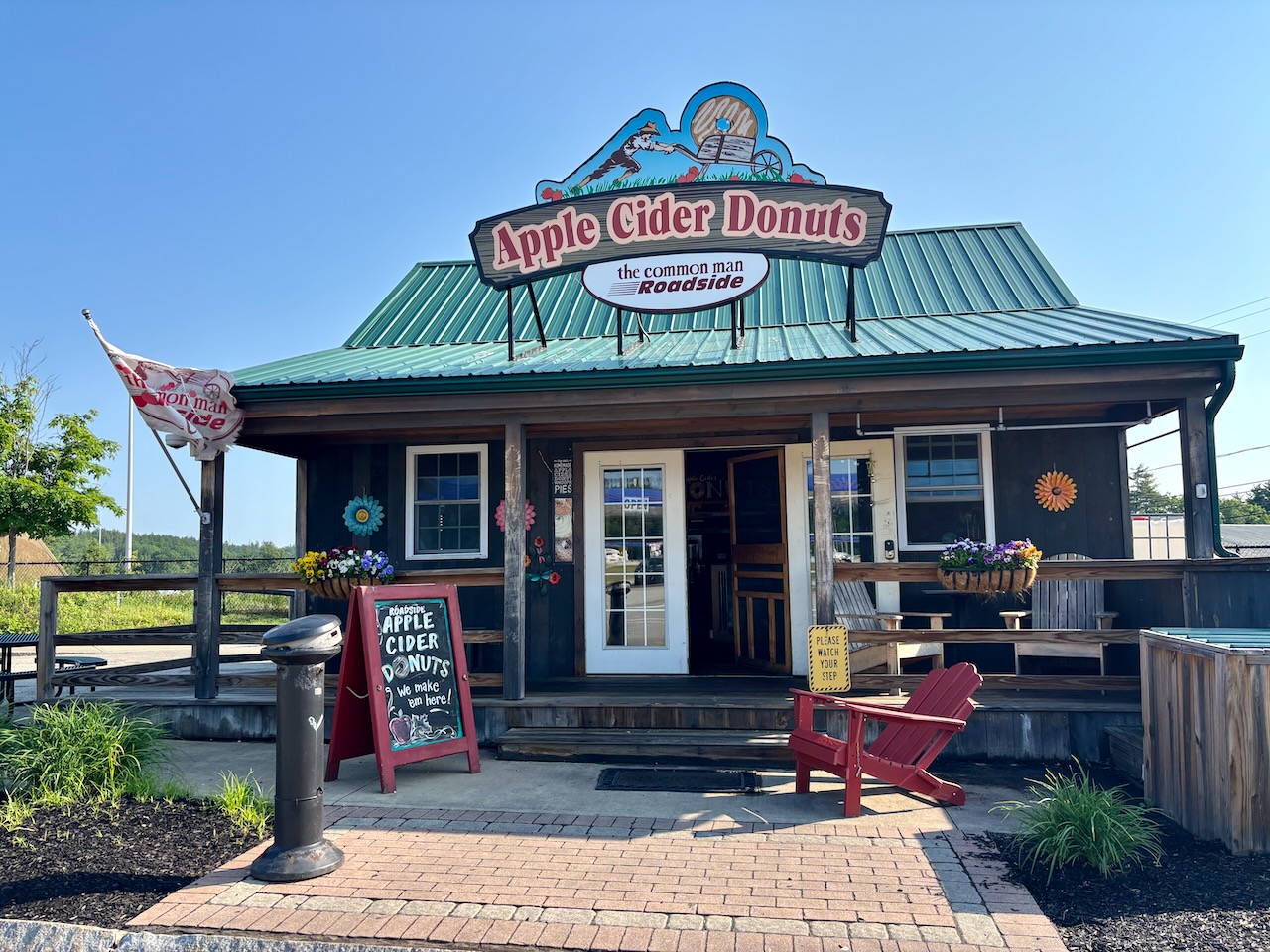
King Arthur Baking calls these cake-type cider doughnuts a traditional New England harvest treat that is apple-y and tangy. Its version is baked rather than fried, with the batter flavored by cinnamon, nutmeg, allspice and 3 tablespoons of boiled cider.
The recipe makes 6 doughnuts in a standard doughnut pan, baked at 400 degrees for 10 to 12 minutes. A shiny glaze of boiled cider, sugar, corn syrup and water goes on top. If boiled cider is hard to find, the recipe says thawed apple juice concentrate with a little lemon juice can stand in.
7. New England boiled dinner: Corned beef with root vegetables
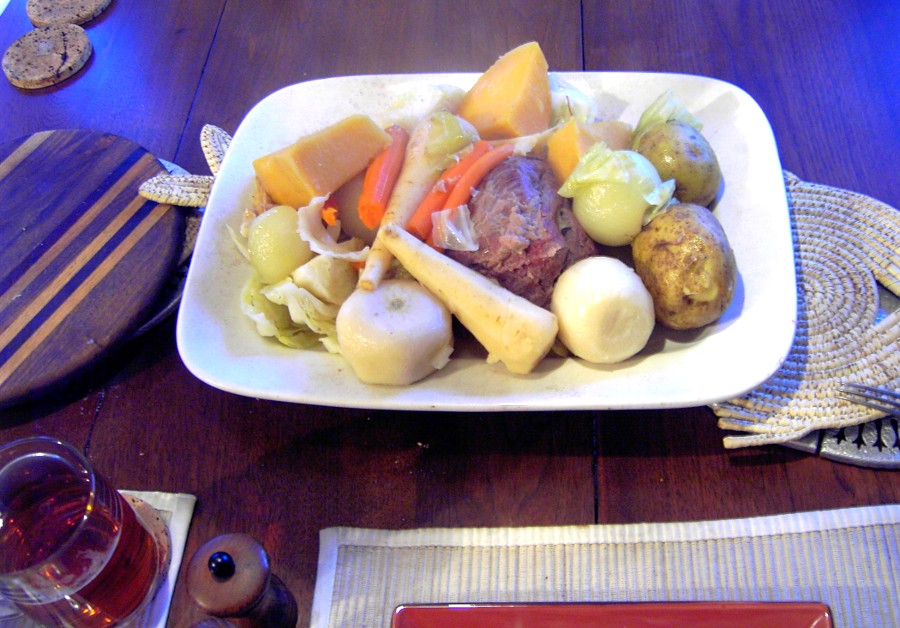
A New England boiled dinner is a dish of corned beef with cabbage and one or more root vegetables, such as potatoes, rutabagas, parsnips, carrots, turnips or onions, according to Wikipedia. The meat simmers in a pot until nearly tender, and then the vegetables are added.
The leftovers are often diced and fried into red flannel hash for breakfast the next day. Irish immigrants who arrived in the 19th century substituted corned beef in the Irish dish bacon and cabbage, since corned beef was relatively cheap in American cities. The dish also resembles English boiled beef and a Newfoundland dish called a Jiggs dinner.
8. Anadama bread: Cornmeal and molasses in a yeast loaf
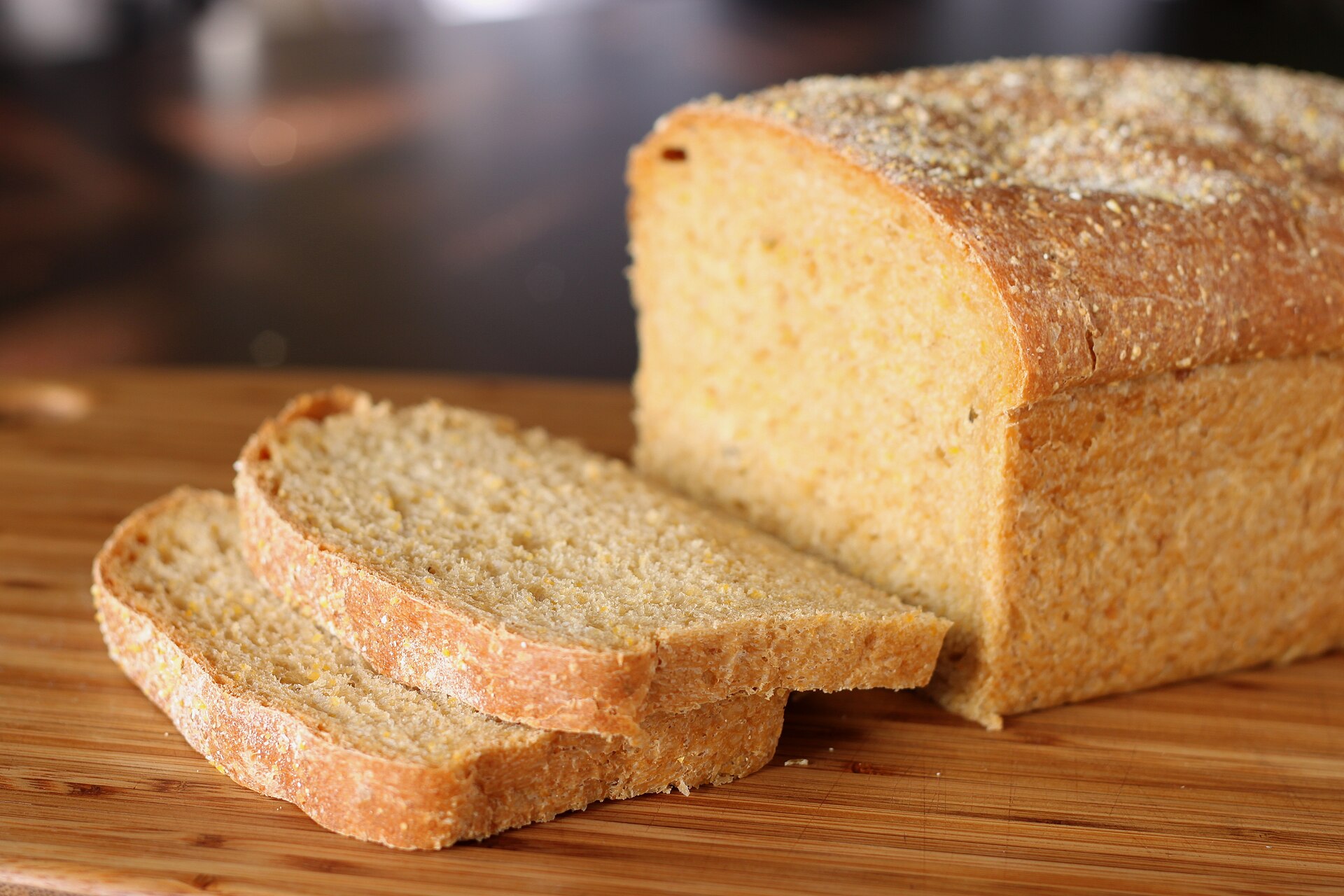
Anadama bread is a traditional New England yeast bread made with wheat flour, cornmeal, molasses and sometimes rye flour, Wikipedia explains. It is commonly believed to have existed before 1850 in coastal areas of Maine and Massachusetts, and may have been adapted from early American brown bread.
A popular folk story says a fisherman tired of cornmeal and molasses mush stirred flour and yeast into it, grumbling about his wife Anna. Near 1900 a baker in Rockport, Massachusetts, delivered it by horse-drawn cart. A Rockport bakery later sent it by truck across New England until it closed in 1970.
9. Lobster roll: Lobster meat in a hot dog bun
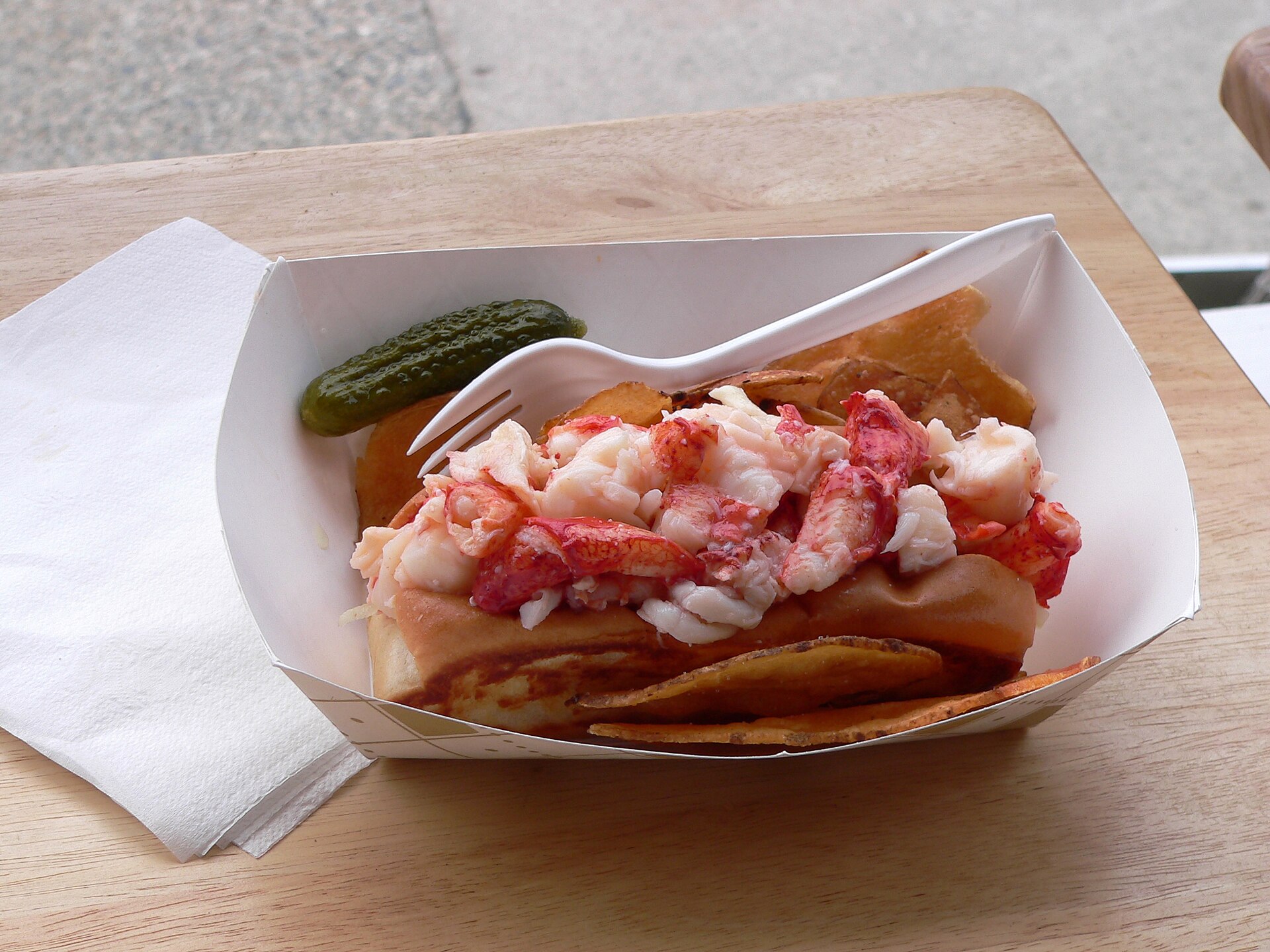
A lobster roll is lobster meat served on a grilled hot dog-style bun, commonly credited to Milford, Connecticut, according to Wikipedia. The Encyclopedia of American Food and Drink says it began as a hot dish at a restaurant named Perry’s there as early as 1929, though the credit is disputed.
Maine rolls usually serve the lobster cold with mayonnaise spread inside the bun or tossed with the meat, while the hot, buttered version is often called Connecticut style. By 1970, chopped lobster heated in drawn butter was served on a hot dog bun at roadside stands such as Red’s Eats in Maine. Potato chips or French fries are typical sides.
10. Parker House roll: A buttery Boston hotel staple
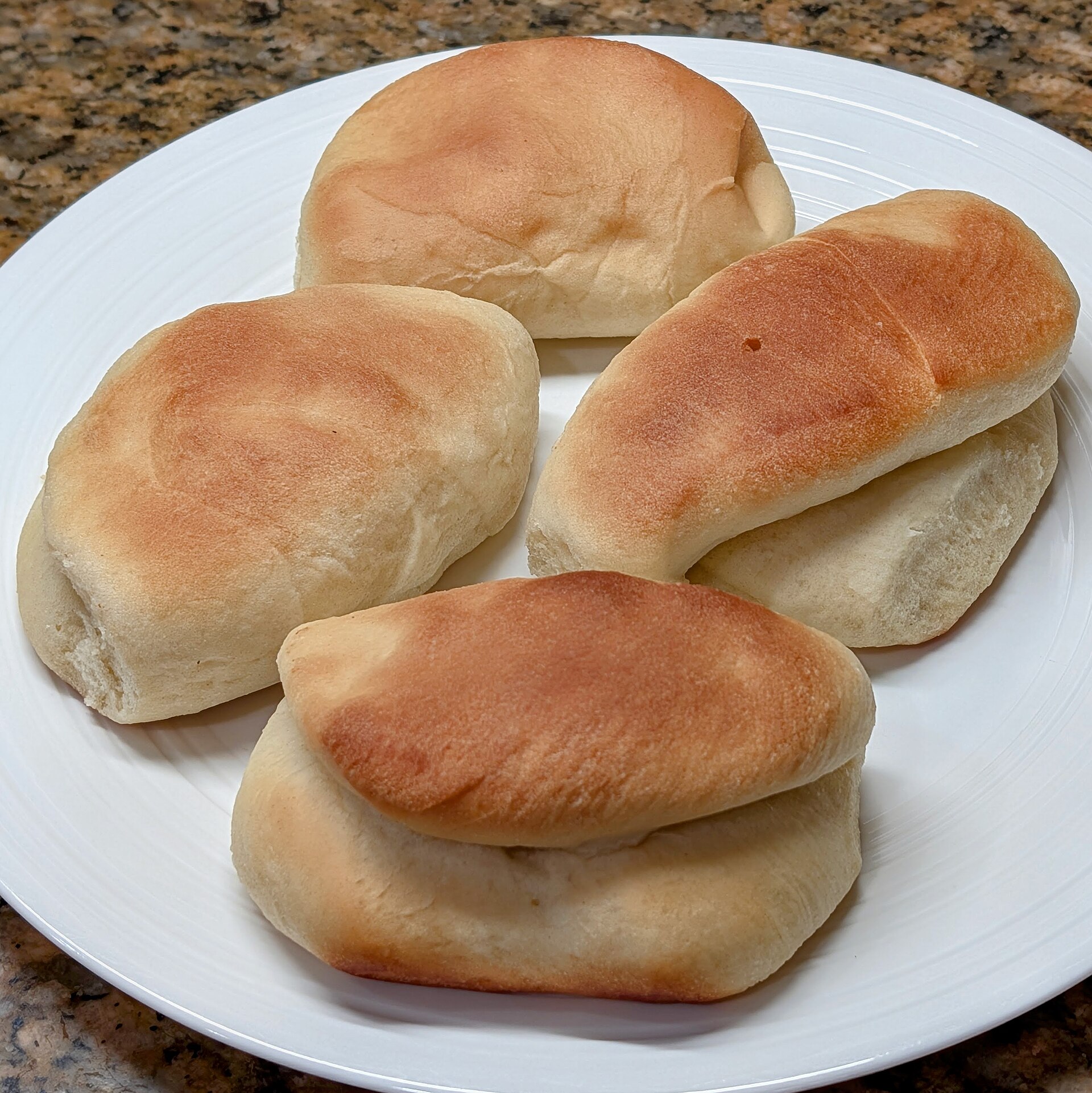
King Arthur Baking says these feather-light, buttery rolls were a 19th-century staple of the Parker House, a famous Boston hotel. The same hotel created the first Boston Cream Pie in 1855, and the baker calls the Parker House roll a bread-basket classic.
What makes it special is butter. A buttery fold during shaping and butter brushed on after baking give the rolls their flavor, while an egg, milk and a fair amount of butter in the dough make them fine and tender. The recipe makes 16 rolls and takes just under 3 hours, including rising time.
This article was produced with AI assistance and edited for accuracy against the sources linked above.