American sandwiches rarely come with a single, settled origin story. Delis, diners, hotels and street stands in cities from Philadelphia to Los Angeles each say they started one of the country’s favorites. Here are twelve classic sandwiches and the cities that claim them, with a look at what each place says happened.
1. Philadelphia cheesesteak: Chopped beef on a hot dog grill
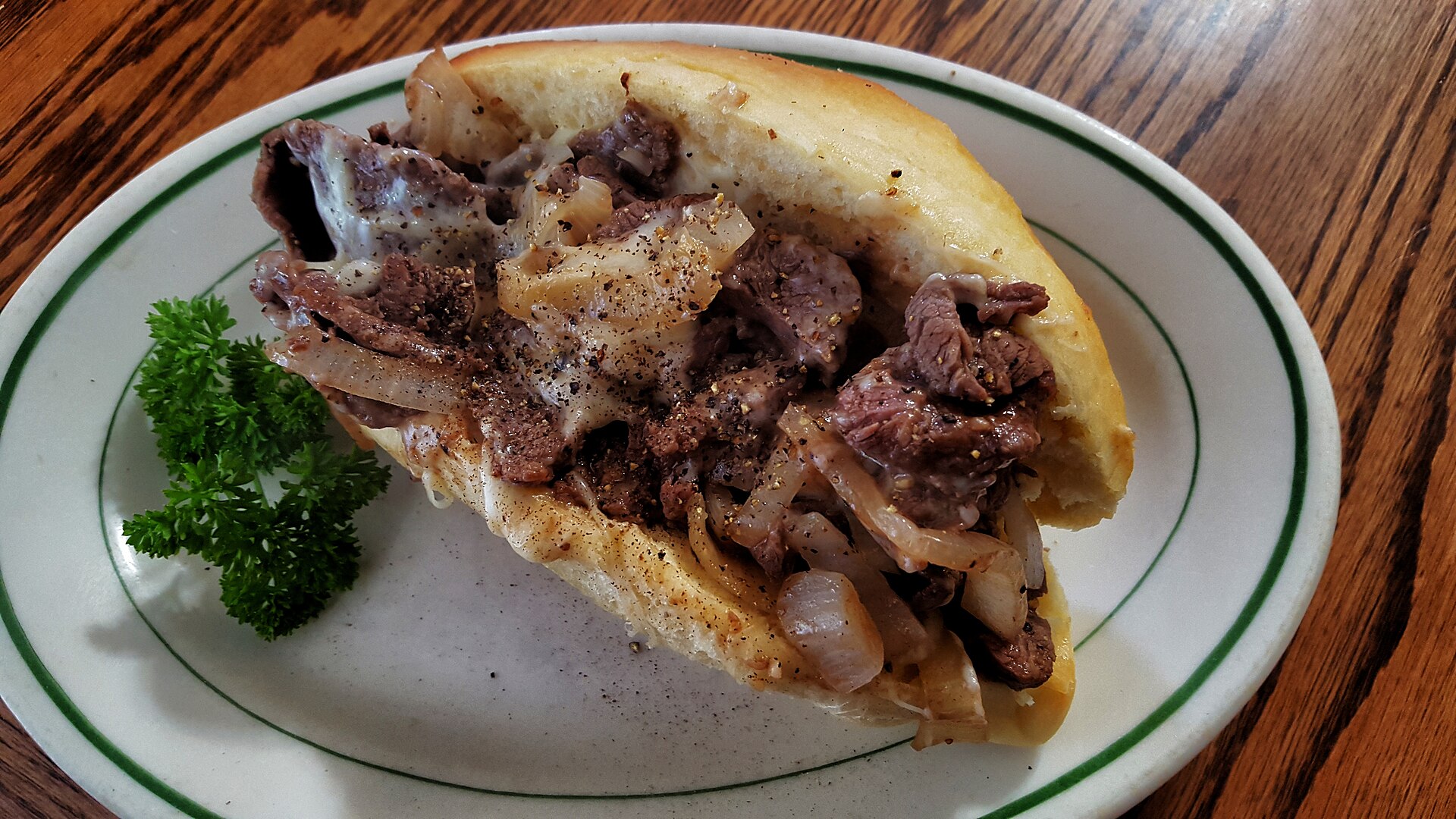
Pat’s King of Steaks opened in 1930 at 9th and Wharton Streets in Philadelphia, where Pat Olivieri cooked chopped beef from the butcher on his hot dog grill and served it on an Italian roll with onions, according to the restaurant.
The story says a cab driver who ate hot dogs every day asked for one, and the sandwich took off from there. Cheese came later, as employees and customers asked for a change, and the business is now run by Frankie Olivieri.
2. Italian beef: Chicago’s thin-sliced roast beef
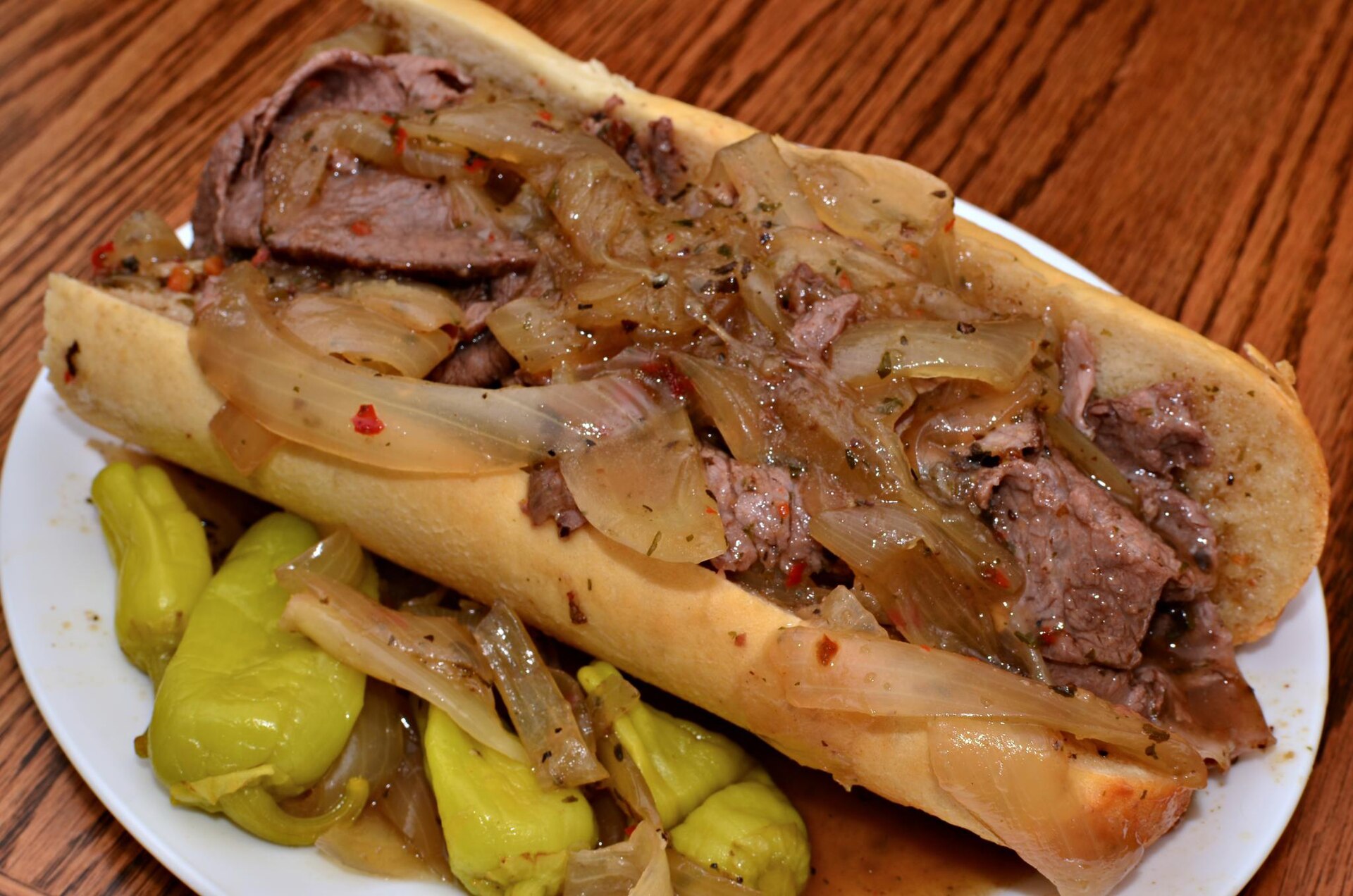
Chicago’s Italian beef goes back to 1938, when Al Ferreri opened a stand in Little Italy with his sister Frances and brother-in-law Chris Pacelli Sr., according to Al’s Beef.
The company says Al’s father, Anthony Ferreri, came up with the sandwich for a small wedding reception by thinly slicing a beef roast and cooking it in its juices with spices, a cheaper way to feed more people. The original Al’s now stands at 1079 West Taylor Street.
3. Po’ boy: A free sandwich for striking streetcar workers
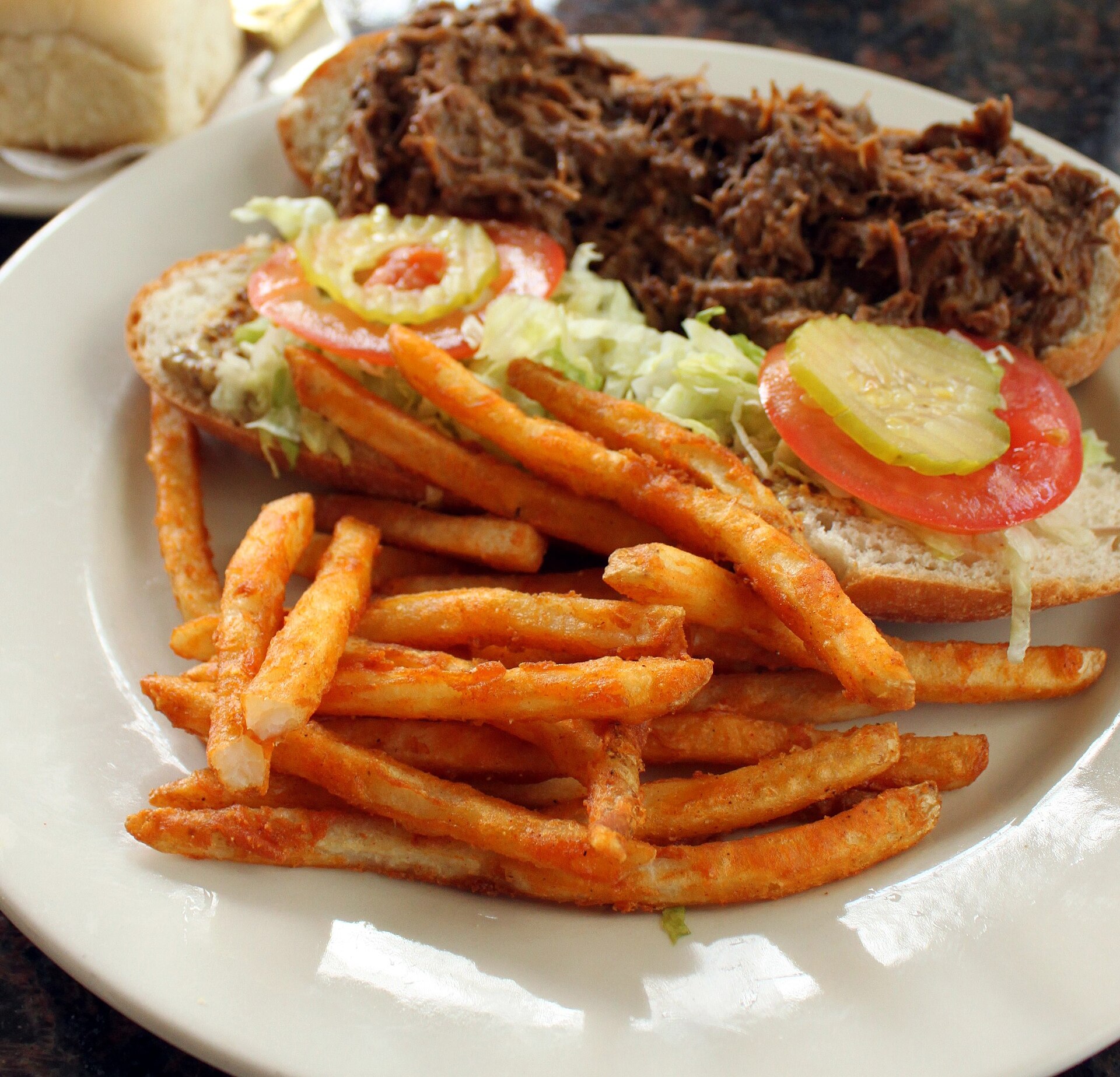
New Orleans credits the po’ boy to Bennie and Clovis Martin, who created the sandwich in 1929 during the streetcar strike and gave free sandwiches to striking workers, according to Parkway Bakery and Tavern.
The sandwiches were usually fried potatoes, gravy and roast beef scraps on French bread, and local media picked up the name poor boy in strike coverage. Henry Timothy Sr. added a poor boy shop to Parkway in 1929, and the bakery at 538 Hagan Avenue is still known for the sandwich.
4. Reuben sandwich: Omaha and New York both say it started with them
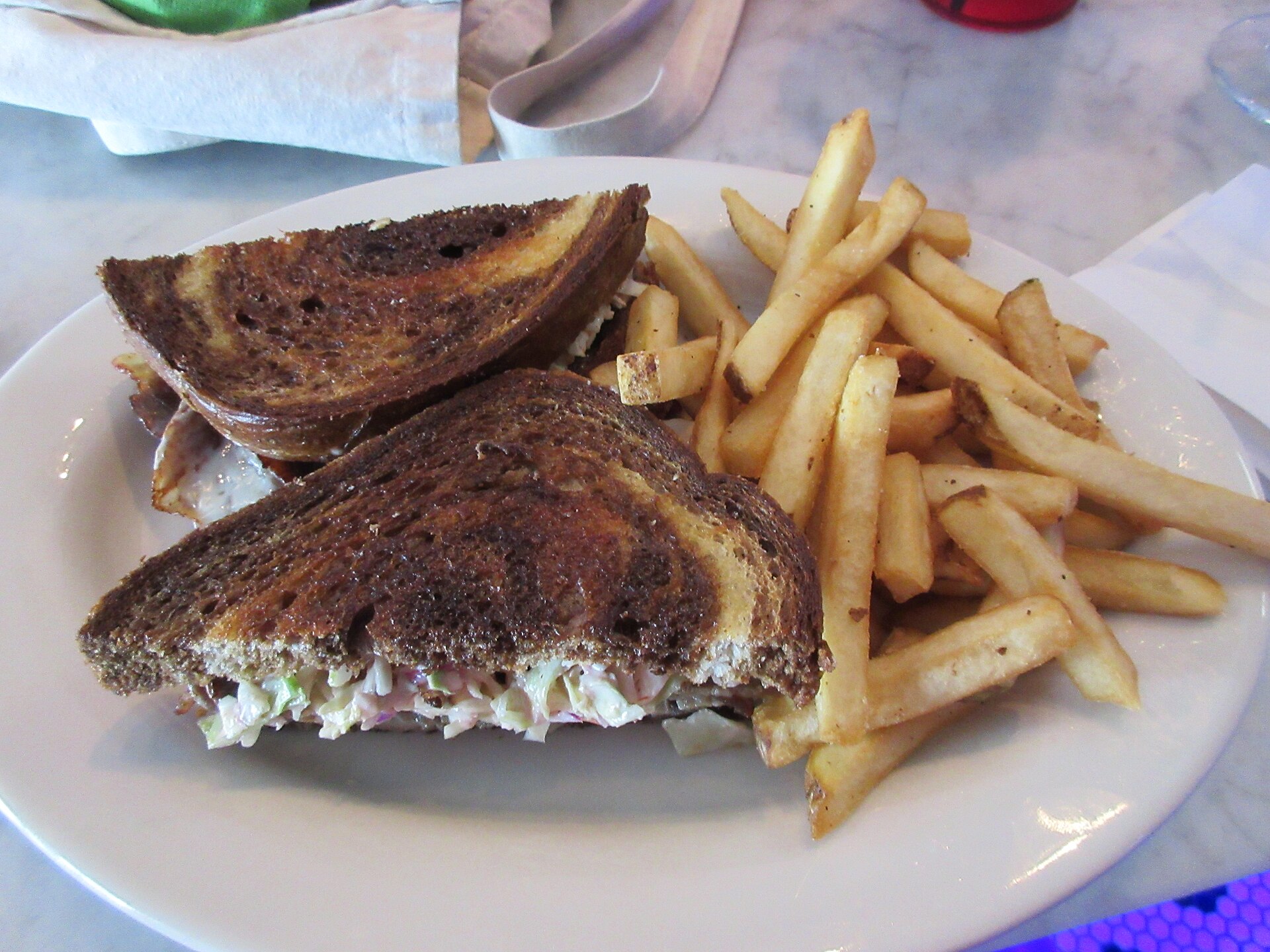
The Reuben is a grilled sandwich of corned beef, sauerkraut, Swiss cheese and Russian or Thousand Island dressing on rye, according to Wikipedia, served warm with the bread crisp and the cheese melted.
Omaha, Nebraska, credits Reuben Kulakofsky, a grocer who asked for the combination at a poker game at the Blackstone Hotel, and the city later named March 14 Reuben Sandwich Day. New York points to Arnold Reuben, who told Craig Claiborne he created a Reuben Special around 1914.
5. Cuban sandwich: Tampa and Miami disagree over the salami
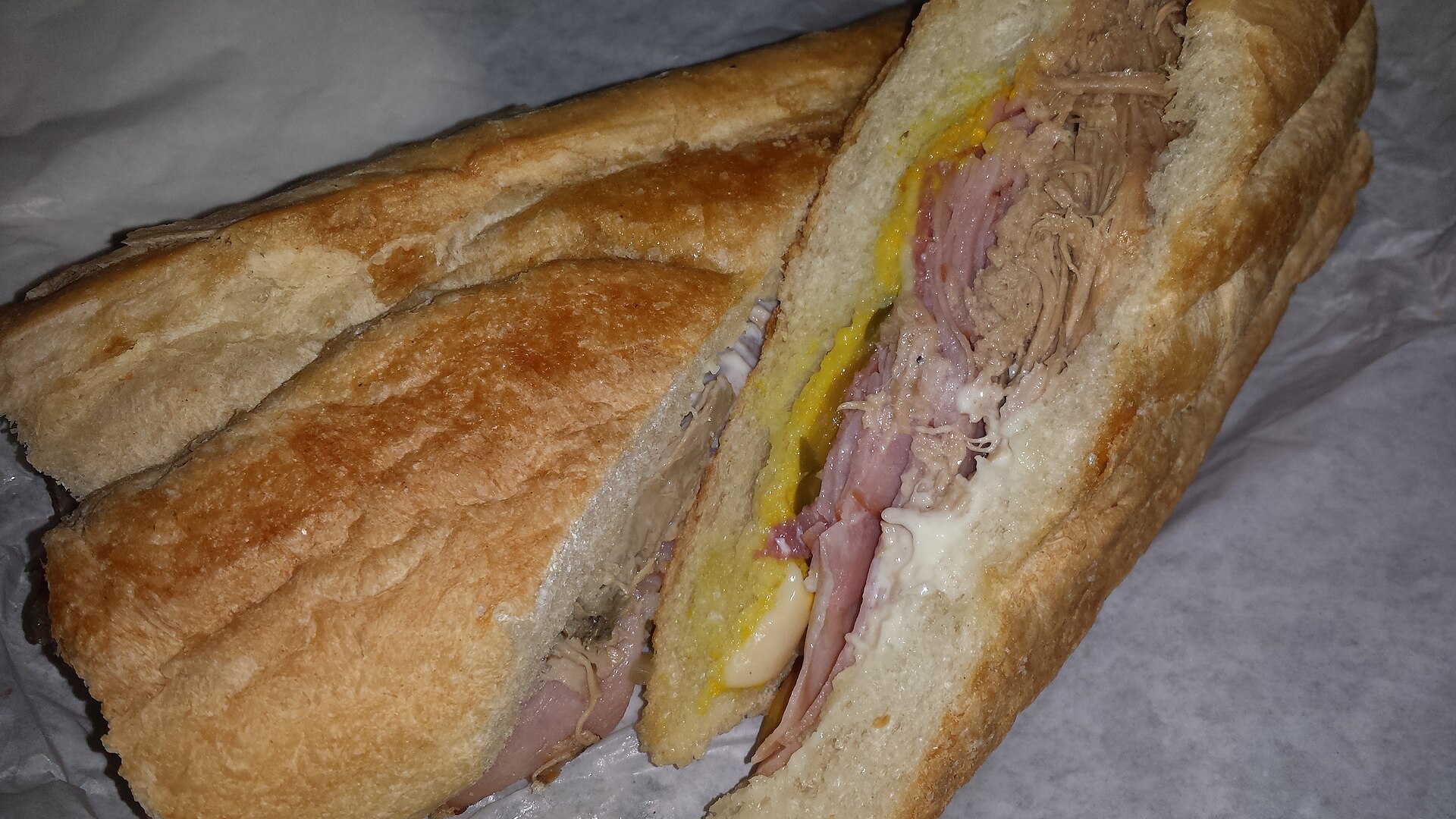
The Cuban sandwich emerged in Florida’s Cuban immigrant communities, with the earliest recorded mentions from cafes in Ybor City and West Tampa around 1900, according to Wikipedia.
Traditional versions use Cuban bread, roast pork, glazed ham, Swiss cheese, dill pickles and yellow mustard. Tampa adds Genoa salami, likely from Italian immigrants in Ybor City, while Miami versions leave it out, and in 2012 the Tampa City Council named the Historic Tampa Cuban Sandwich the city’s signature sandwich.
6. Muffuletta: A Sicilian loaf with an olive salad
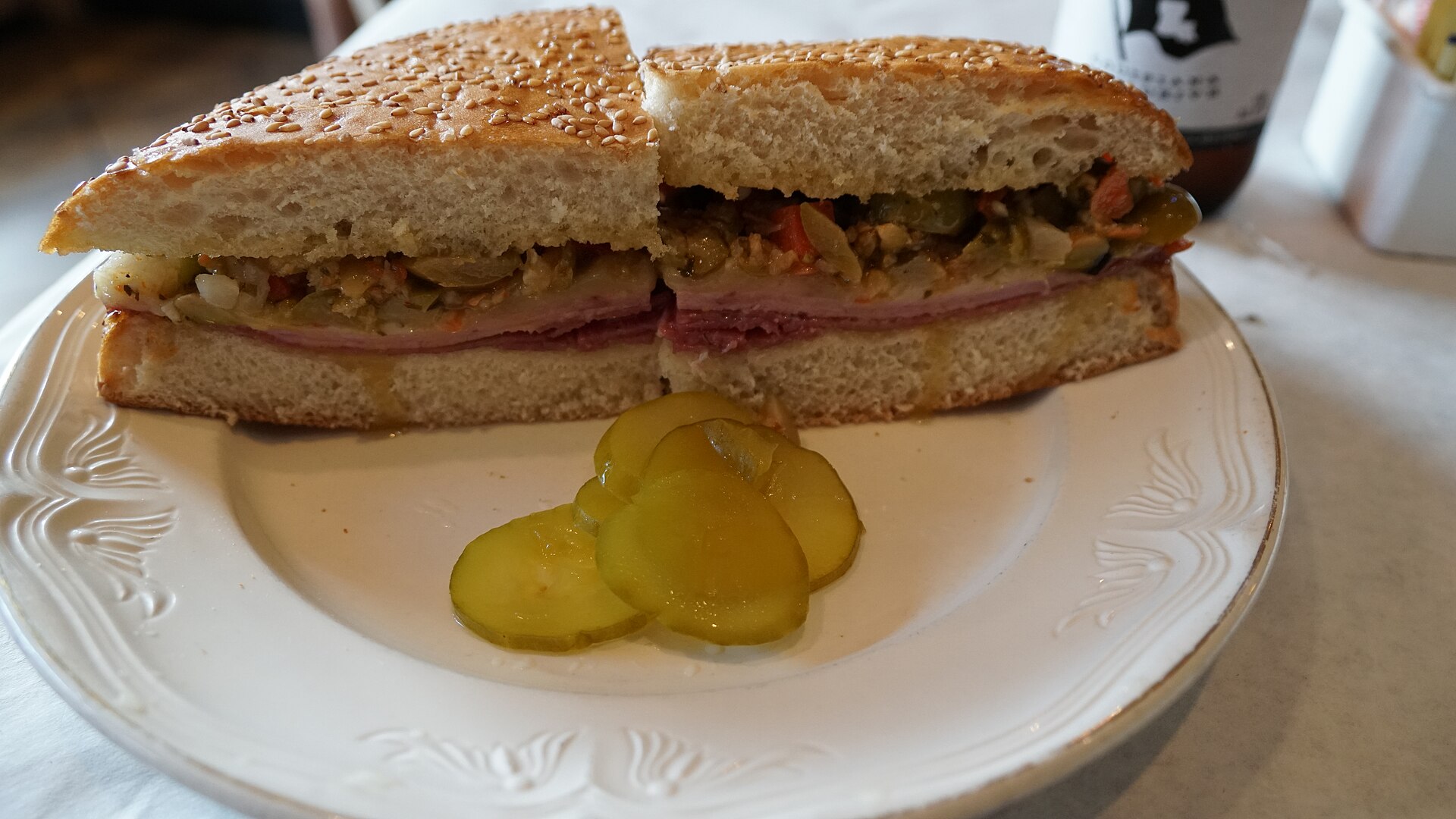
The muffuletta is credited to Salvatore Lupo, a Sicilian immigrant who is said to have created it in 1906 at Central Grocery on Decatur Street in New Orleans, according to Wikipedia.
It is built on a round Sicilian sesame loaf split and layered with salami, ham, mortadella, Swiss cheese and provolone. A chopped olive salad of green and black olives, celery, cauliflower, carrots, peppers, capers and garlic gives the sandwich its signature tang.
7. Sloppy joe: Three places claim the name
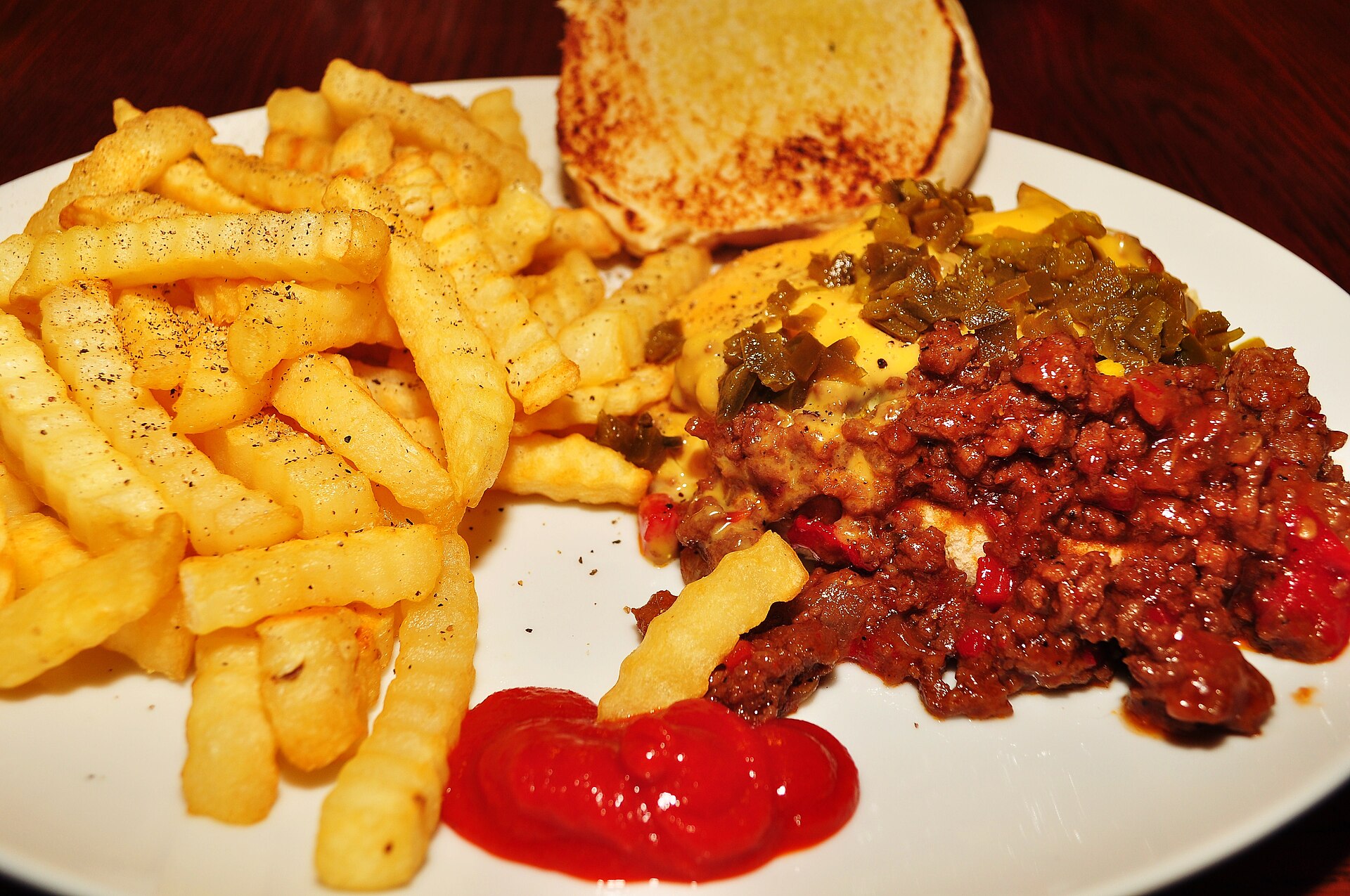
Sloppy joes are ground meat, usually beef, cooked with onions, tomato sauce or ketchup and Worcestershire sauce and served on a hamburger bun, according to Wikipedia.
Several places claim the name. One account points to Havana, Cuba, in 1917 and bar owner Jose Abeal y Otero, another to loose-meat sandwiches in Sioux City, Iowa, in the 1930s, and a third to Key West, Florida, where Ernest Hemingway reportedly convinced Joe Russell to rename his bar Sloppy Joe’s around 1937.
8. Lobster roll: Cold in Maine, hot in Connecticut
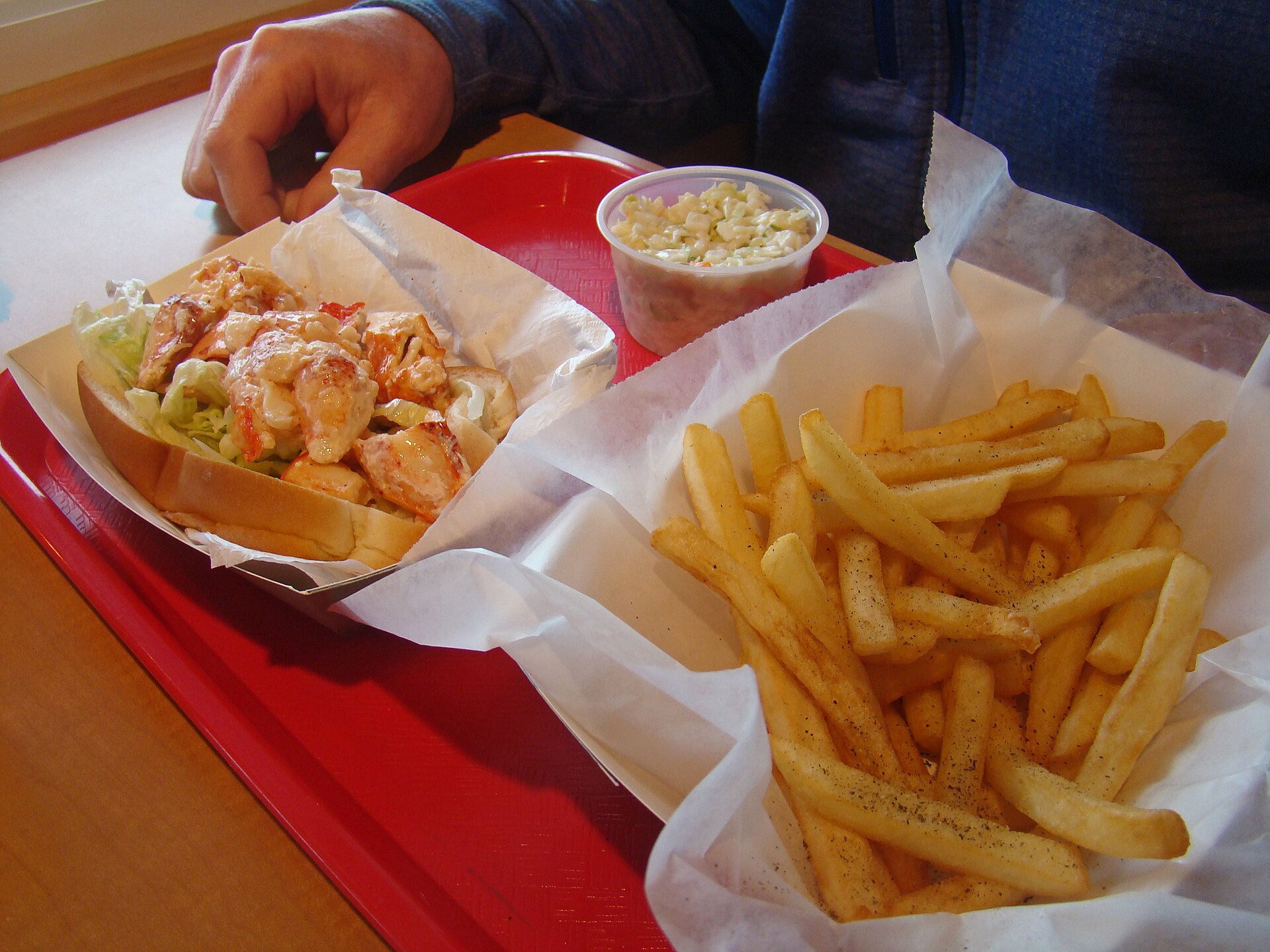
The lobster roll comes in two main styles, Maine style, served cold with mayonnaise, and Connecticut style, served hot with drawn butter, according to Wikipedia.
Both go into a grilled hot dog-style bun. The Encyclopedia of American Food and Drink credits Perry’s in Milford, Connecticut, with serving a hot lobster roll as early as 1929, though the origin is disputed and one chef argues that English and Portuguese fishermen invented it.
9. Pastrami on rye: The No. 19 at a Los Angeles deli
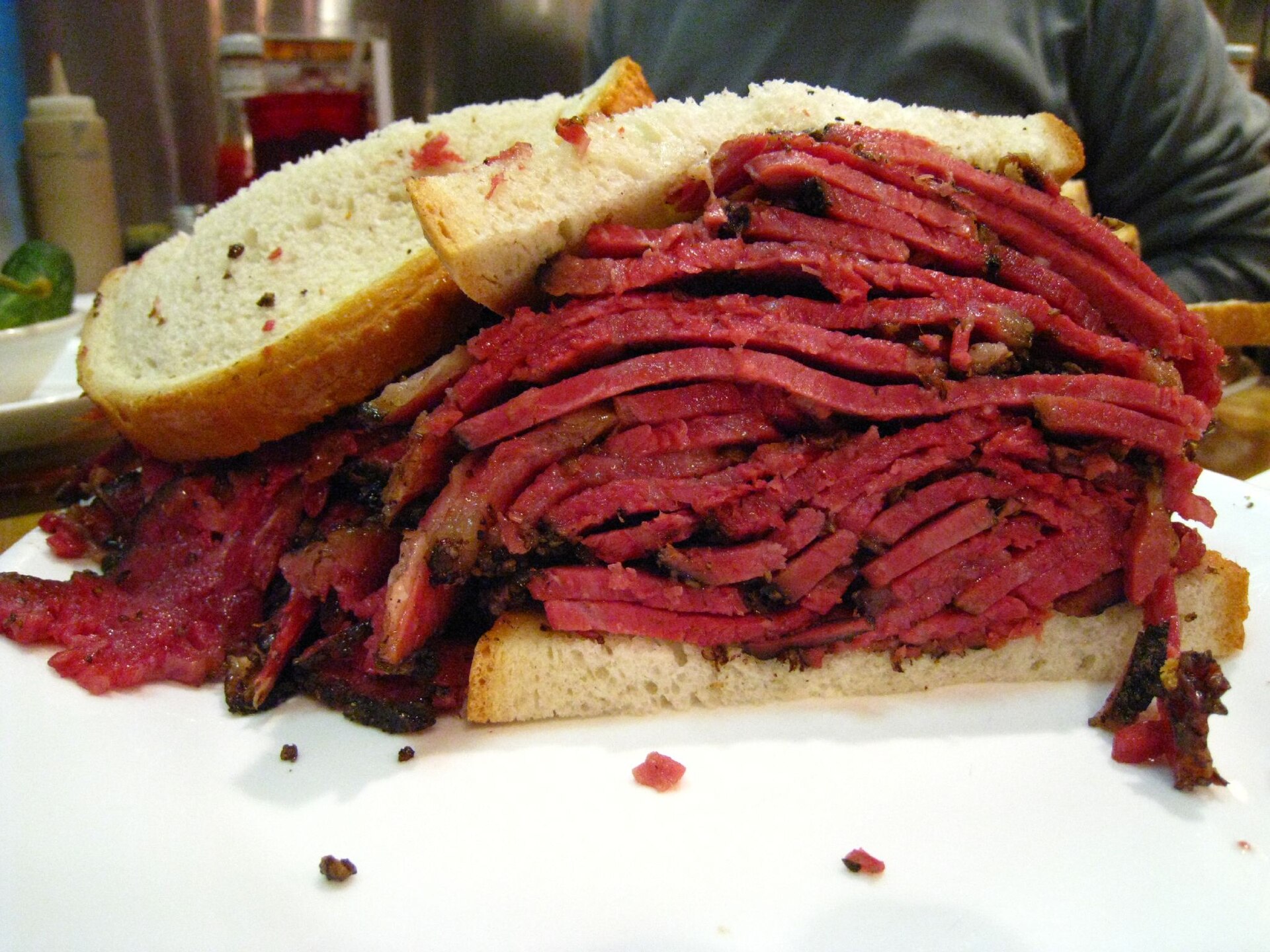
Langer’s Delicatessen opened in 1947 at 7th Street and Alvarado Street in Los Angeles, when Al Langer bought a small deli near the corner that began with 12 seats, according to the restaurant.
Its most popular sandwich is the No. 19, which Al created from hot pastrami, coleslaw, Swiss cheese and Russian dressing on hot rye. The deli says hand slicing the meat with a knife keeps it juicy and tender, and it sits diagonally across from MacArthur Park.
10. French dip: A roll dropped into the roasting pan
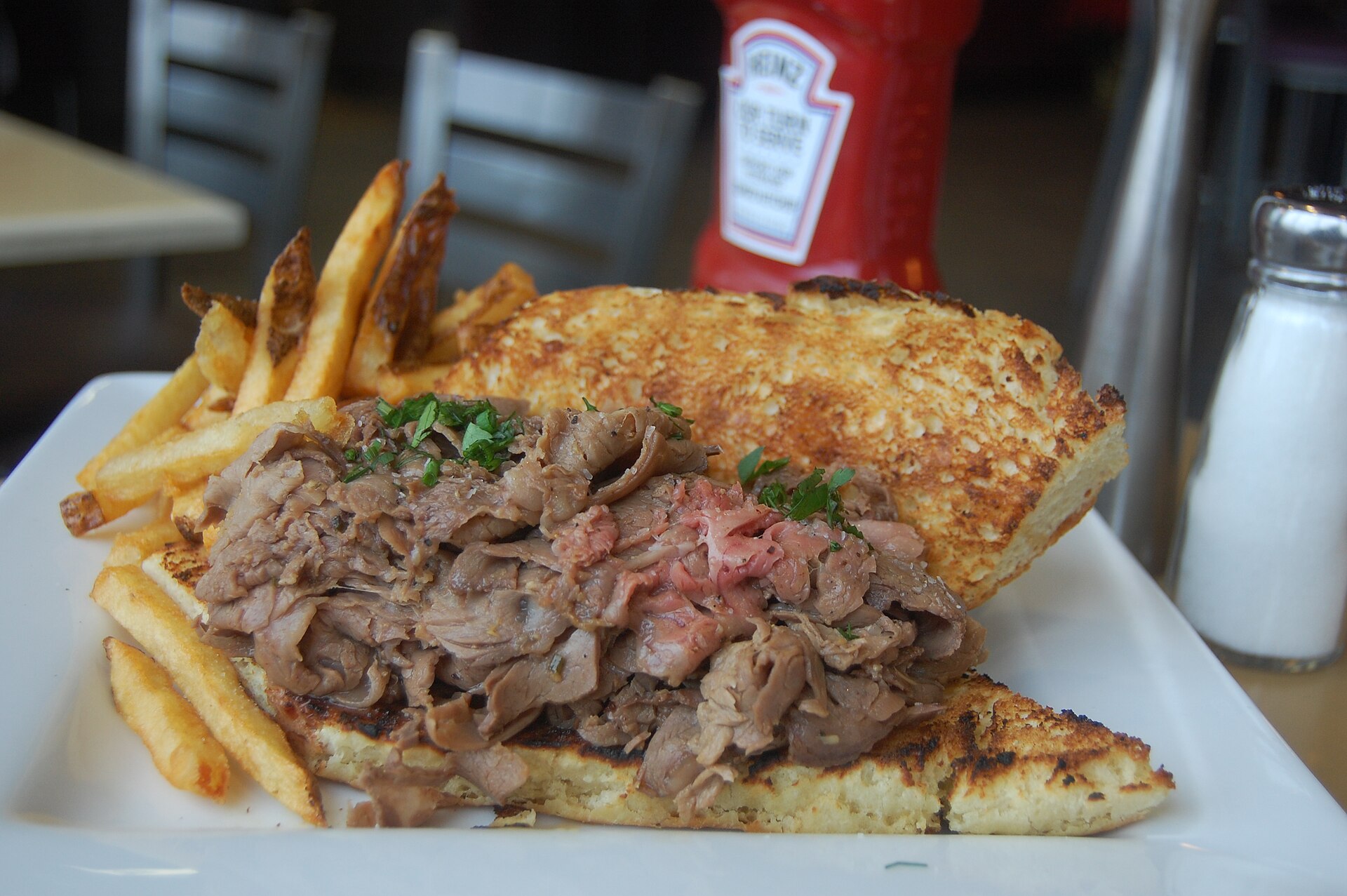
Philippe’s says it invented the French dip in 1918, when founder Philippe Mathieu accidentally dropped a sliced French roll into the hot juices of a roasting pan while making a sandwich for a police officer.
The officer took the sandwich anyway and returned the next day with friends. Philippe’s opened in 1908 and moved in 1951 to 1001 N. Alameda Street in Los Angeles after a freeway project forced it out, and its dining room still has sawdust on the floor and family-style seating.
11. Hot Brown: Louisville’s late-night answer to ham and eggs
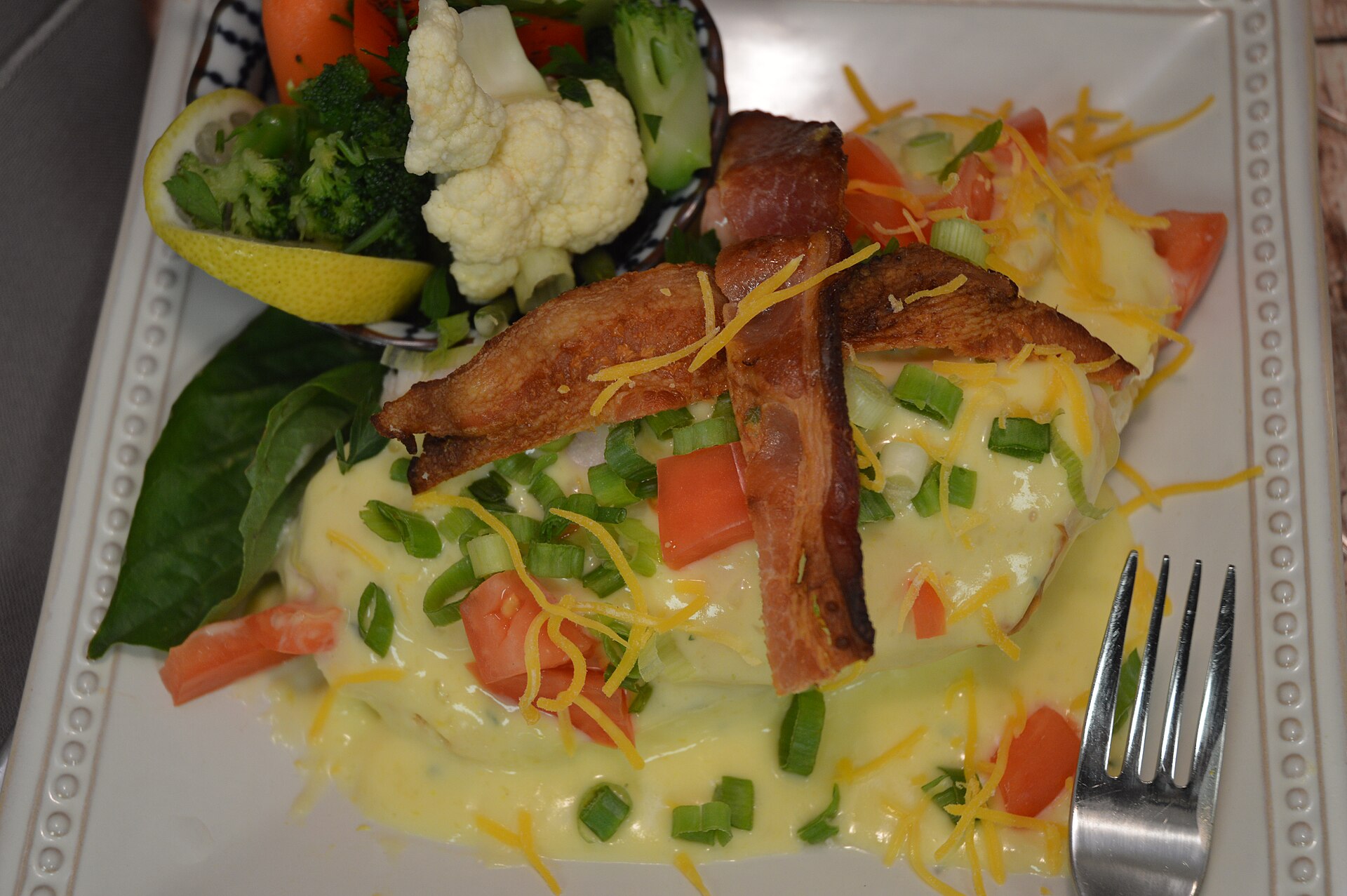
The Hot Brown is an open-faced hot sandwich that Fred K. Schmidt, a chef at the Brown Hotel in Louisville, Kentucky, created in 1926, according to Wikipedia.
It layers turkey breast and bacon on white toast and covers them in Mornay sauce before broiling, and some versions add ham, pimentos or tomatoes. The hotel had opened in 1923, and the sandwich was meant as an alternative to the ham and eggs guests often ordered for late-night dinners.
12. Club sandwich: Two New York stories compete
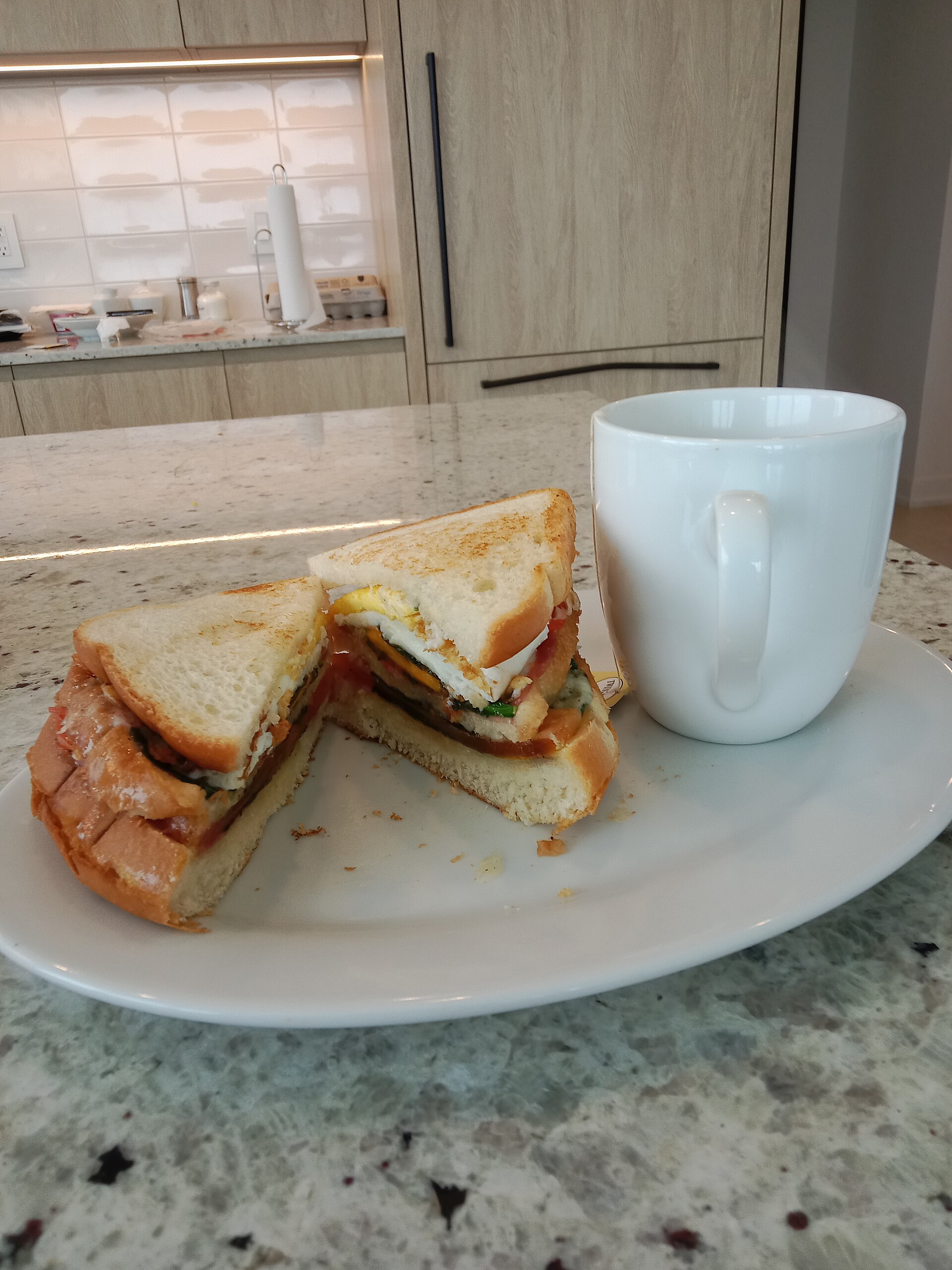
The club sandwich is a three-layer sandwich of toasted bread with sliced poultry, fried bacon, lettuce, tomato and mayonnaise, according to Wikipedia, and it is often cut into quarters and held together with cocktail sticks.
New York State is its listed place of origin, and two stories compete. One says it began at the Union Club of New York City, where the earliest known reference is a November 18, 1889, article, and another says it started at the Saratoga Club in Saratoga Springs after Richard Canfield turned it into the Canfield Casino in 1894.
This article was produced with AI assistance and edited for accuracy against the sources linked above.