Cinnamon is one of those kitchen staples that can sit in a cupboard for months before making an appearance in coffee, oatmeal, baked goods, or a favorite dessert. But shoppers in 14 states may want to take a closer look at their spice cabinets after laboratory testing detected elevated lead levels in a popular ground cinnamon product. A New York-based distributor has voluntarily recalled the affected product after the discovery.
The recall involves Wise Wife Brand Ground Cinnamon, which was sold at retail and grocery stores across several parts of the country. The U.S. Food and Drug Administration (FDA) announced the recall on October 29, 2026, after testing by a Connecticut state laboratory revealed the contamination. No illnesses have been reported so far, but consumers are being advised not to use the affected cinnamon.
A Connecticut Laboratory Test Triggered the Recall
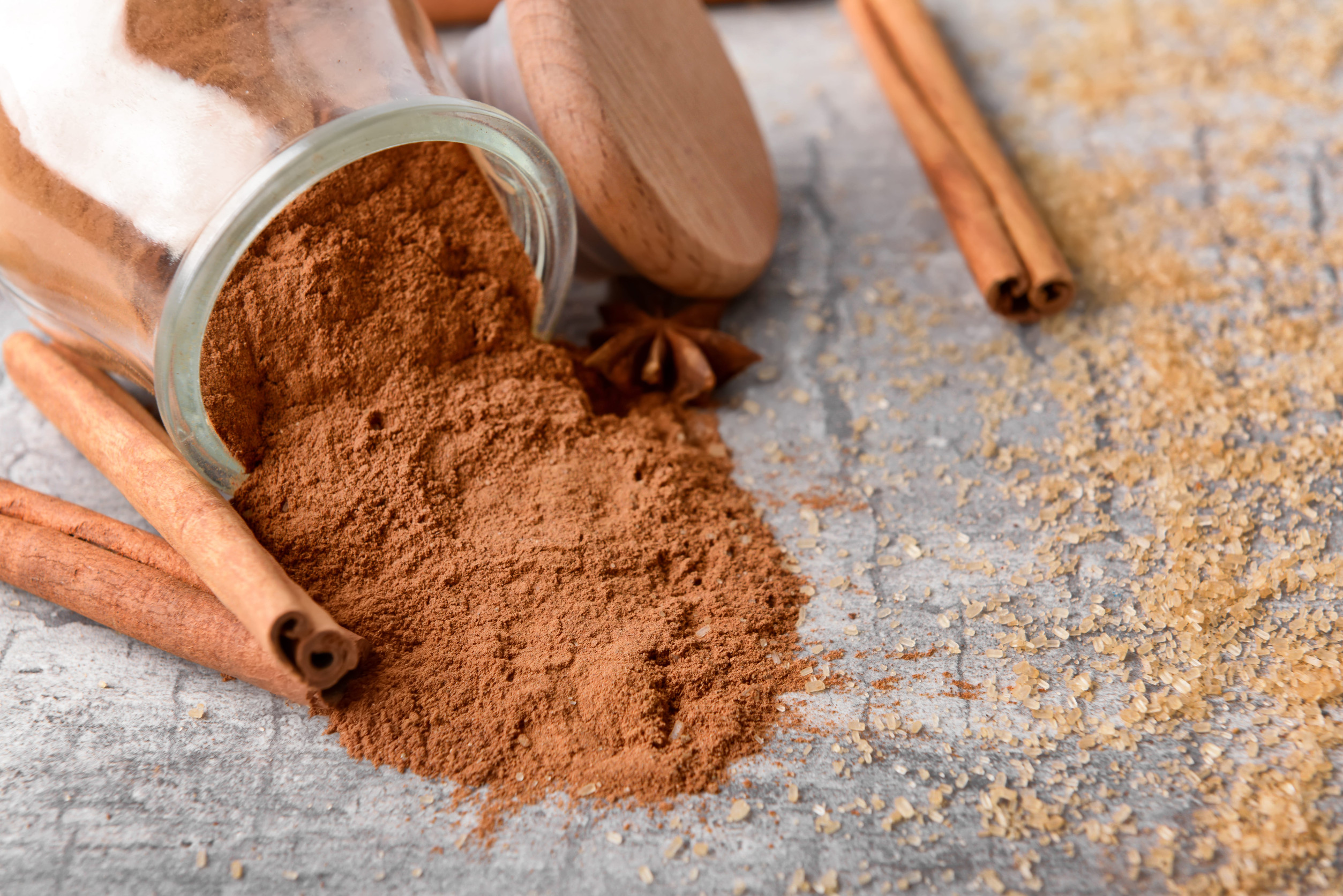
The issue came to light after the Connecticut Department of Consumer Protection collected samples of Wise Wife Brand Ground Cinnamon as part of a food safety monitoring program. The samples were sent to the Connecticut Agricultural Experiment Station for laboratory analysis. Testing found elevated lead levels, raising concerns about the product’s safety.
Following the discovery, SLR Food Distribution Inc., based in Hicksville, New York, initiated a voluntary recall. The FDA published the company’s announcement on October 29 and asked consumers to stop using the affected cinnamon. Retailers were also instructed to stop selling the product, remove it from store shelves, and hold any remaining inventory.
The Recalled Cinnamon Was Sold in 14 States
The affected Wise Wife ground cinnamon was distributed to retail and grocery stores in 14 states between September 8, 2025, and June 28, 2026. This means some containers purchased several months ago could still be sitting in kitchen cupboards. The distribution included stores in the Midwest, Northeast, South, and other parts of the country.
The states involved are Connecticut, Indiana, Kansas, Massachusetts, Michigan, Minnesota, North Carolina, Nebraska, New York, Ohio, Pennsylvania, Texas, Virginia, and Wisconsin. The company has not identified individual grocery store locations in its recall announcement. Shoppers in these states who regularly buy ground cinnamon may want to check the brand and packaging carefully.
How to Identify the Affected Wise Wife Cinnamon
Not every cinnamon product, or even every Wise Wife product, is included in this recall. The warning applies specifically to Wise Wife Brand Ground Cinnamon sold in a 110-gram (3.88-ounce) clear plastic container with a black screw-top cap. Check the product details because the recall covers a specific package and identification number.
Consumers should look for a Best Before date of April 25, 2027. The UPC printed on the back label is 0688474302754. If the container matches these details, it is part of the recalled product, regardless of how much cinnamon remains inside. The FDA advises consumers not to taste or use the spice to determine whether it is contaminated.
Why Lead in Cinnamon Is a Serious Food Safety Concern
Lead is a toxic metal that can affect nearly every system in the human body. Unlike some food contaminants, exposure does not always produce immediate or noticeable symptoms, particularly when the amount consumed is relatively small. This can make it difficult for people to recognize exposure without appropriate testing.
The FDA warns that prolonged lead exposure can cause serious health problems, especially in young children. Their developing nervous systems are particularly vulnerable, and significant exposure can contribute to learning difficulties, developmental problems, and damage to the central nervous system. The effects depend on several factors, including the amount of lead consumed, how frequently exposure occurs, and a person’s age and body weight.
Adults can also experience harmful effects from lead exposure. Higher or prolonged exposure may contribute to neurological, kidney, and other health problems. This is why food safety authorities take contaminated spices seriously, even when no illnesses have been reported.
No Illnesses Have Been Reported So Far
The recall announcement includes some reassuring information: SLR Food Distribution has not received reports of illnesses associated with the affected cinnamon. However, the absence of reported illnesses does not mean the product is safe to consume. Lead exposure can occur without obvious symptoms, particularly at lower levels.
The company initiated the recall after the laboratory findings rather than waiting for consumers to report health problems. Retailers have been notified and instructed to remove the affected containers from sale. Consumers who have already used the cinnamon should avoid further exposure and contact a healthcare professional if they have concerns, particularly if a young child regularly consumed food prepared with it.
What Consumers Should Do With the Recalled Cinnamon
Anyone who finds the affected Wise Wife cinnamon in their kitchen should stop using it immediately. The FDA notice gives consumers two options: discard the product or return it to the store where it was purchased for a full refund. There is no reason to keep the container for future use, even if it looks and smells perfectly normal.
People who have questions about the recall can contact SLR Food Distribution Inc. at 1-516-437-3782. The company also provides an email address, [email protected], for consumer inquiries. Its listed business hours are Monday through Friday, from 9 a.m. to 5 p.m. Eastern Time.
This Recall Does Not Apply to Every Cinnamon Brand
Finding out that a familiar kitchen spice has been recalled can understandably make shoppers question the other products sitting in their cupboards. However, this announcement specifically concerns the identified Wise Wife ground cinnamon product. It does not mean that every cinnamon brand sold in the United States has been recalled.
The FDA has separately monitored ground cinnamon products for elevated lead levels and has issued warnings involving other brands. This latest recall is another reminder that routine food testing can sometimes detect contamination before illnesses are reported. For now, shoppers should check their spice cabinets, pay attention to product identification details, and avoid using any container covered by the recall.