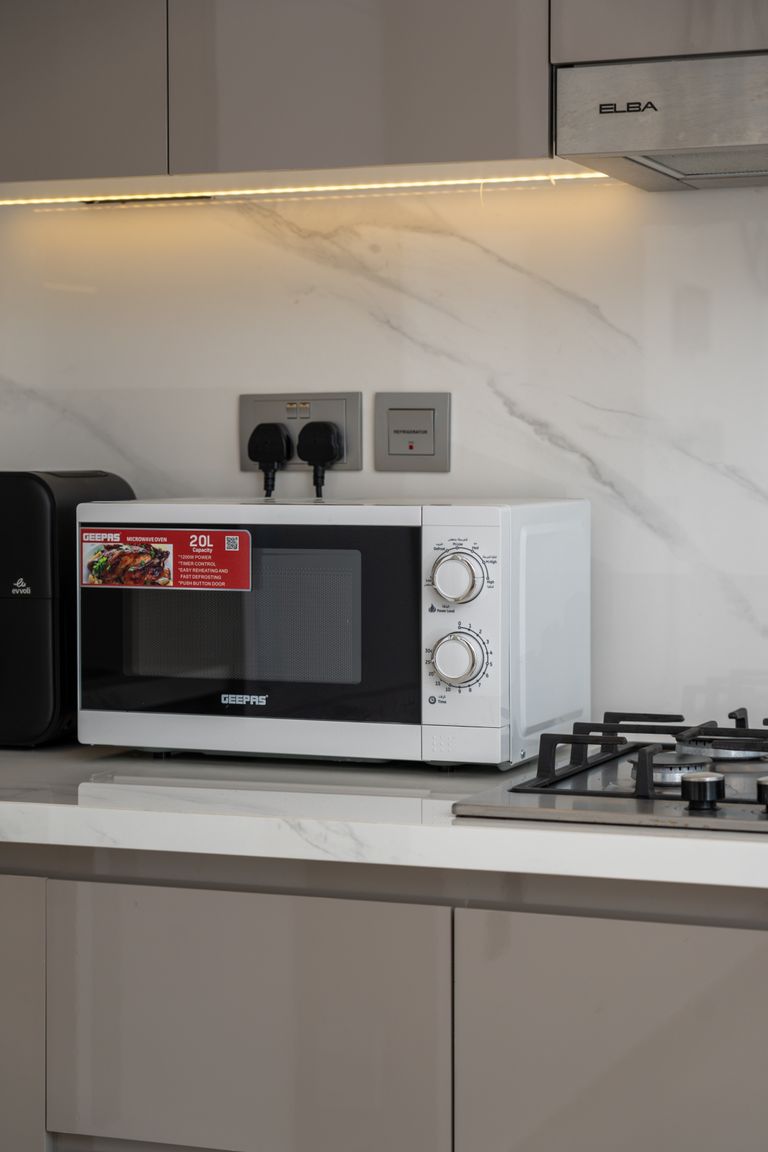
Five years can turn a comfortable home into a collection of postponed decisions. The cupboard still closes, but only if you push. The spare room has become a holding area. Somewhere, a drawer contains objects nobody in the household can identify.
A recent House Beautiful article recommends reviewing belongings after five years, when routines and needs may have changed. Its experts suggest starting with a manageable space and reconsidering possessions that no longer serve your household. housebeautiful.com
Use that anniversary as a reminder to look around with fresh eyes. Here are practical places to begin.
Clothes You Keep Passing Over
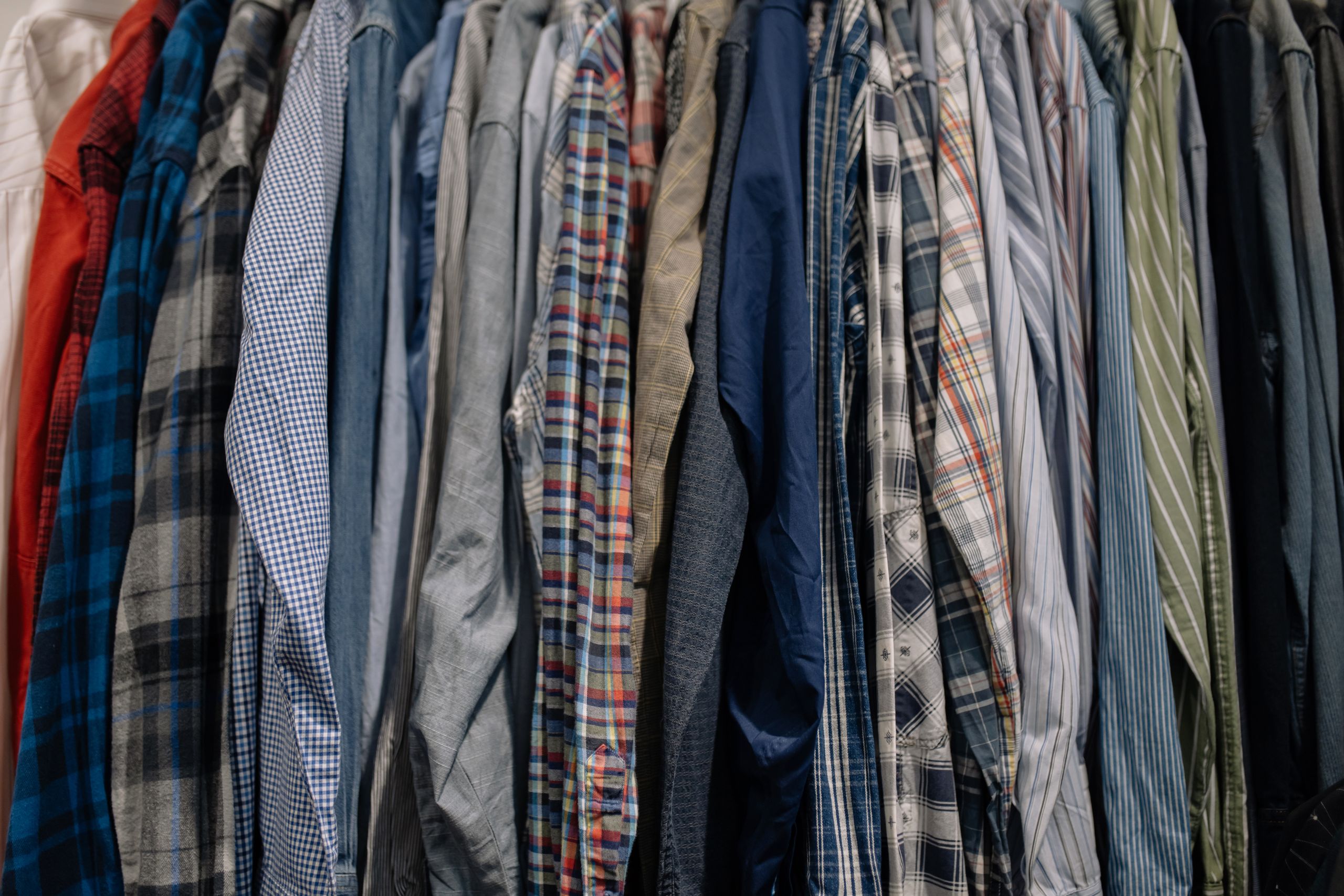
Start with the clothes you repeatedly move aside while looking for something else. Perhaps they pinch, require repairs you keep delaying, or belong to a version of your life you no longer recognize.
Try them on before deciding. Keep clothing that fits your present needs, including occasional outfits you have a clear reason to own. Set aside wearable donations, and give repairable favorites a realistic deadline. An overcrowded wardrobe should not make getting dressed feel like an obstacle course.
Related: 8 Kitchen Items to Declutter Today Before They Take Over Your Home
Containers Without Partners
Give your food storage collection a matching session. Spread out the lids and bases, pair them, and check which sizes you actually reach for.
Consider how many containers your household needs between washing days. Keep enough for lunches, leftovers, and the occasional busy week. Extras without a purpose can leave. Before recycling anything, check your local program’s rules; acceptance depends on the material and the service available where you live.
Toys Your Children Have Outgrown
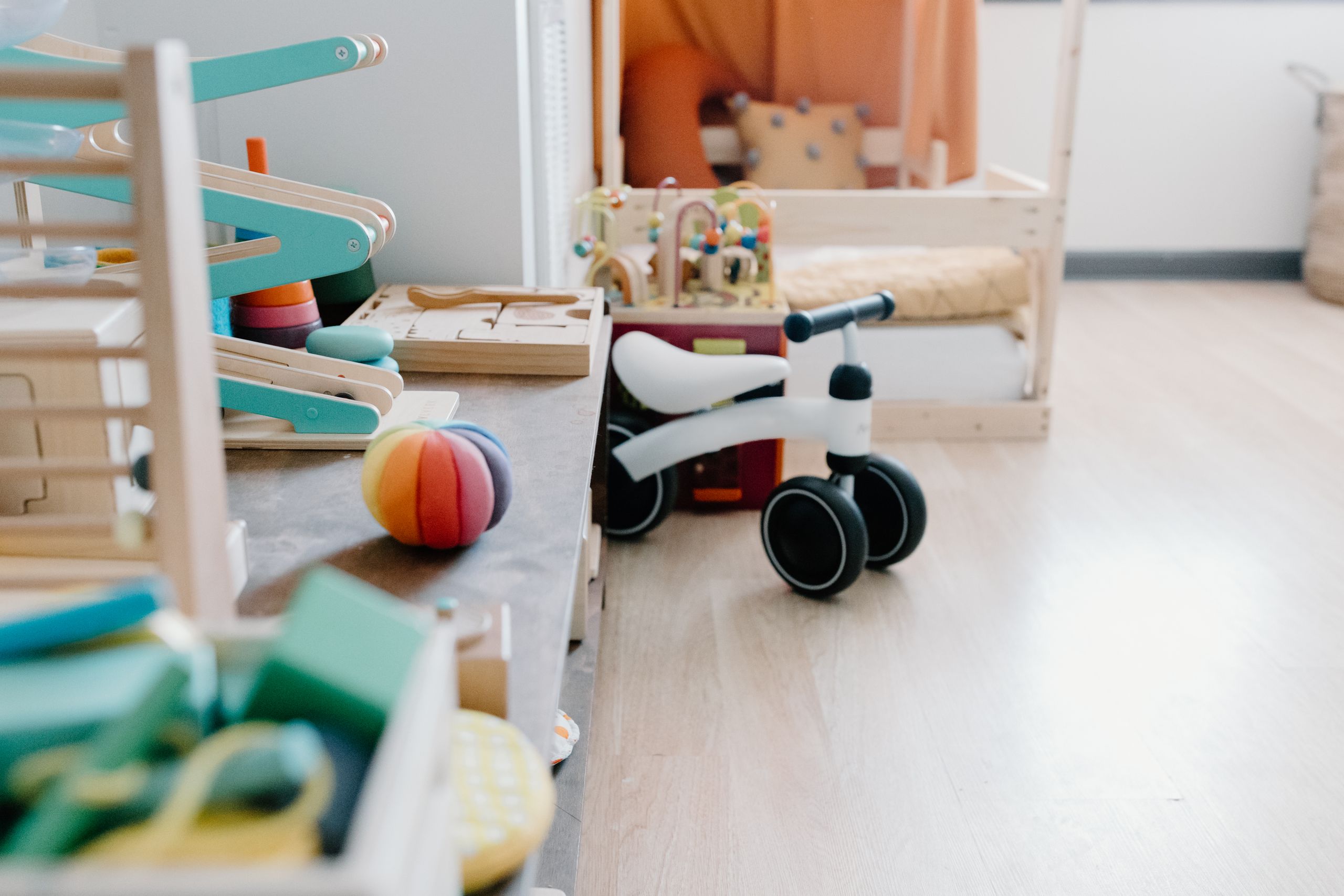
A toy can be perfectly usable and still have finished its job in your home. When appropriate, look through puzzles, games, dress-up clothes, and play equipment with your children.
Separate treasured favorites from things they have lost interest in. Check that donated games contain their essential pieces, and confirm what the receiving organization accepts. For sentimental items, choose a small keepsake box rather than expecting every childhood possession to earn permanent storage.
Shoes That Never Leave the House
Line up the shoes hiding under beds, beside doors, and behind closet baskets. Look for uncomfortable pairs, forgotten purchases, and shoes nobody can wear anymore.
Be honest about repairs. If you love a pair enough to fix it, arrange the repair. Otherwise, stop giving it space reserved for footwear you use. Keep practical options for your weather and activities, then make them easy to see and reach.
Books You No Longer Want to Read
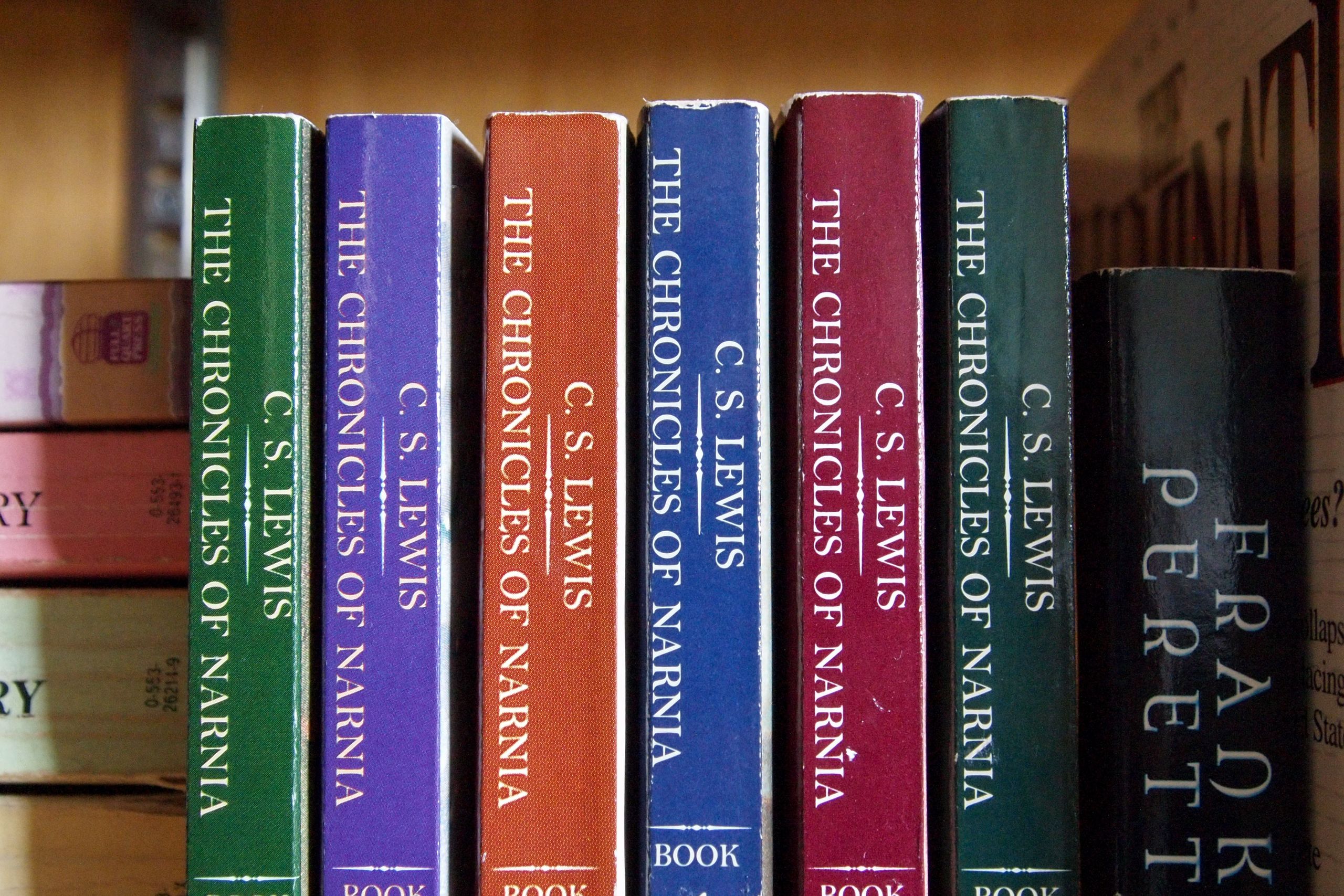
Your shelves do not need to record every interest you have ever had. Review books you abandoned, duplicates, and titles you would not choose again.
Keep favorites, useful references, and books you are excited to open. Let others find them through an accepting charity, book exchange, or secondhand shop. You can appreciate what a book once meant without keeping it indefinitely. Leave a little shelf space for your next discovery.
Entertaining Supplies for Imaginary Parties
Count the serving platters, novelty glasses, party decorations, and specialty tableware you own. Then picture the gatherings you actually enjoy hosting.
If dinner usually means six people around the kitchen table, consider whether you need equipment for thirty. Keep supplies that support realistic plans. Borrowing occasional extras may suit you better than storing them year-round. Give your everyday dishes enough room so setting the table doesn’t require rearranging an entire cabinet.
Bags and Suitcases With No Clear Role
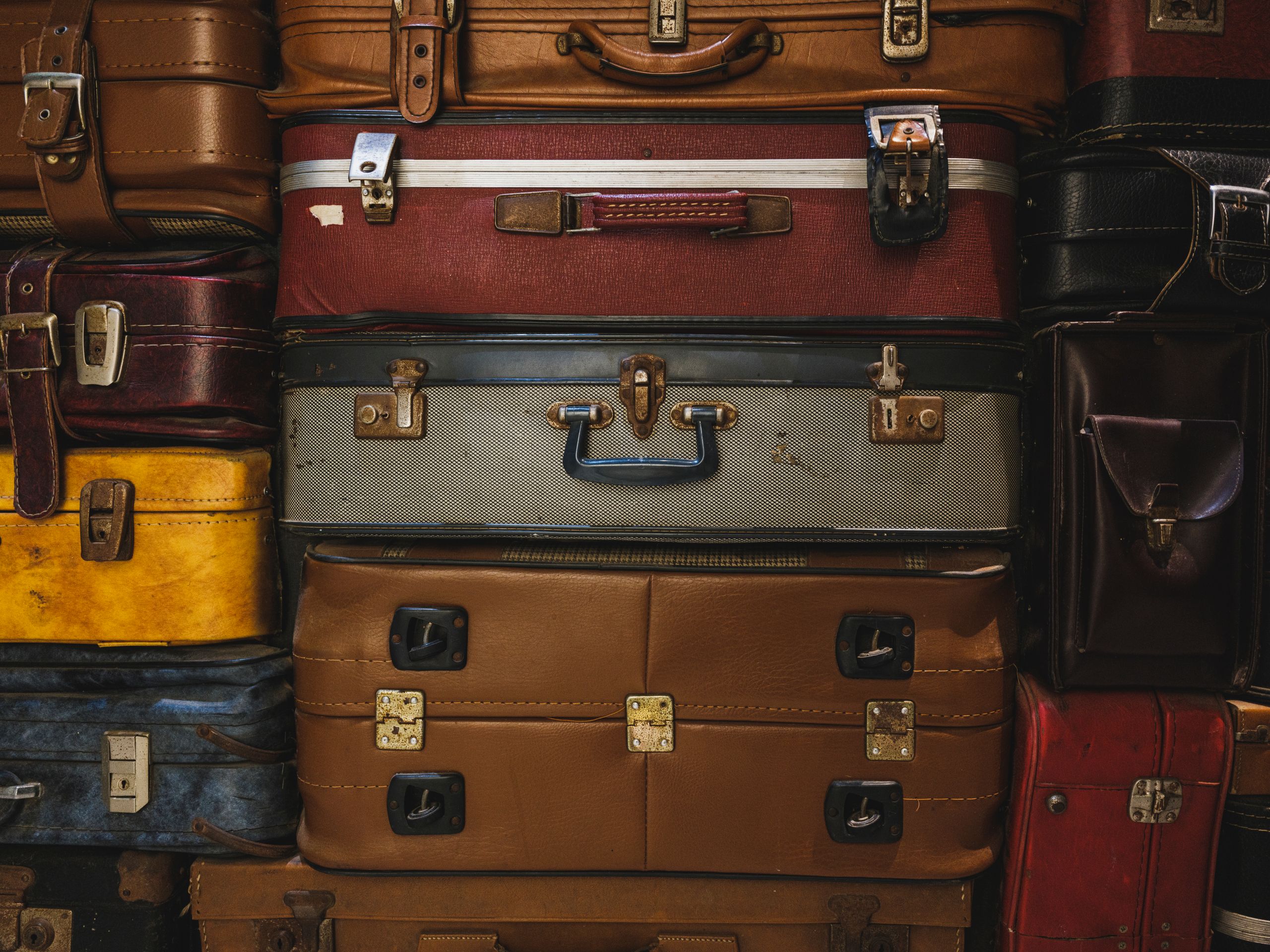
Open every suitcase and check the pockets of backpacks, handbags, and overnight bags. You may discover belongings you thought were missing.
Assess each bag for comfort, condition, and usefulness. Keep luggage suited to your trips and bags that work for your daily routine. Avoid keeping several awkward options simply because choosing one feels difficult. Store smaller retained bags inside larger ones when that makes access easier.
Finish With One Clear Exit
Decluttering is not finished when unwanted belongings reach the hallway. Choose their destinations and arrange the next step: donation, sale, recycling, or appropriate disposal.
Start with one collection today. Finish it before opening another cupboard. Five years of belongings will take patience, but each decision you complete gives your home more room for the life you live now