Food preferences often change as people get older, but familiar ingredients can remain useful throughout life. Many foods associated with earlier generations are affordable, easy to prepare, and versatile enough to fit modern eating habits.
Older adults have different nutritional needs, medical conditions, preferences, and household budgets. No single food works for everyone, and traditional products aren’t automatically healthier than newer alternatives. These nine familiar foods offer practical advantages worth considering, especially when prepared as part of a varied diet.
1. Oatmeal
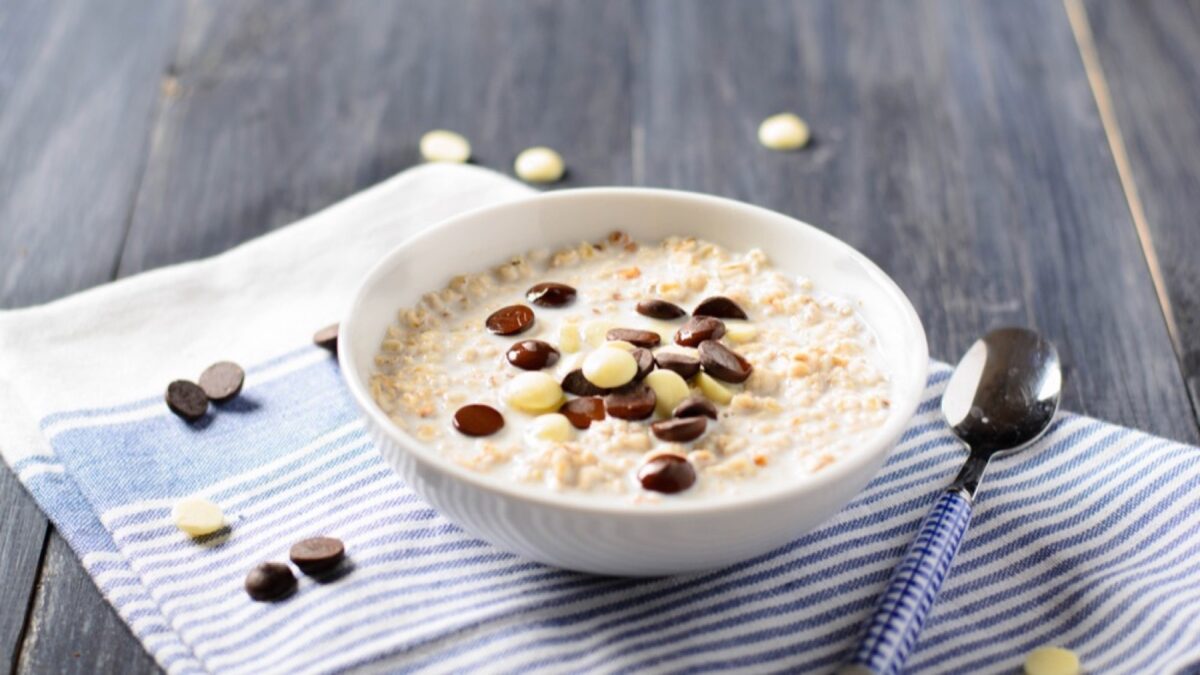
Oatmeal is a familiar breakfast food that can be prepared with water, milk, or another suitable liquid. It is relatively inexpensive and can be adapted with fruit, nuts, or spices.
Oats contain soluble fiber, including beta-glucan, which has been studied for its relationship with cholesterol levels. The FDA recognizes the importance of dietary fiber within healthy eating patterns.
Plain oatmeal allows people to control added sugar more easily than some sweetened instant products. Adding yogurt, milk, or other protein sources can also make breakfast more satisfying.
2. Canned Salmon
Canned salmon provides a convenient source of protein and can be stored until needed. It is useful for patties, salads, sandwiches, and other simple meals.
Some varieties contain soft edible bones that provide calcium. Nutrient amounts vary by product, so reading the label is useful.
For people who find fresh fish expensive or inconvenient, canned salmon can be an alternative. Choosing products with suitable sodium levels may matter for individuals following particular dietary recommendations.
3. Eggs
Eggs are versatile and require relatively little preparation. They can be boiled, scrambled, poached, or combined with vegetables in an omelet.
They provide protein and several important nutrients, including choline. The amount and frequency appropriate for an individual depend on the rest of their diet and any relevant medical guidance.
Eggs are especially useful for people who want meals that don’t require lengthy cooking. Proper cooking and refrigeration remain important for food safety.
4. Beans
Beans provide fiber, plant-based protein, and other nutrients. Dried and canned varieties can be used in soups, stews, salads, and side dishes.
The USDA’s MyPlate program includes beans, peas, and lentils among protein foods. They also contribute to the vegetable group.
For people who find dried beans inconvenient, canned versions provide a quicker alternative. Draining and rinsing canned beans may reduce some of the sodium, depending on the product.
5. Plain Yogurt
Plain yogurt offers protein and calcium, although amounts vary between products. Some varieties contain live and active cultures.
It can be eaten with fruit, oats, or nuts, and it also works in savory dishes. Choosing unsweetened varieties allows people to control how much sweetness they add.
Greek yogurt is generally thicker and often contains more protein than conventional yogurt. Shoppers should compare labels because ingredients and nutritional content differ considerably.
6. Sardines
Sardines are small oily fish commonly sold in cans. They provide protein and omega-3 fatty acids, and versions with edible bones can contribute calcium.
Their strong flavor makes them less appealing to some people, but they require almost no preparation. Sardines can be eaten with crackers, toast, vegetables, or salads.
Their convenience helps explain why they remain part of traditional pantry cooking. People who enjoy them can keep a few cans available for quick meals.
7. Sweet Potatoes
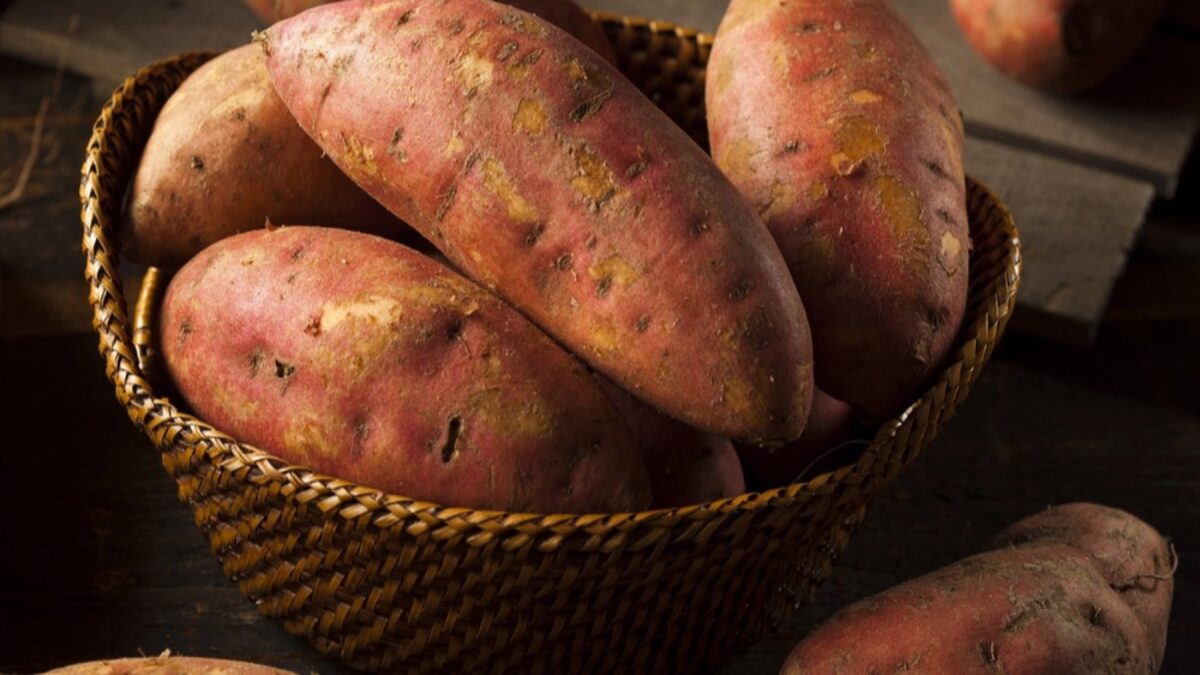
Sweet potatoes provide carbohydrates, fiber, and beta-carotene, which the body can convert to vitamin A. They can be baked, boiled, roasted, or mashed.
Their natural sweetness makes them appealing without requiring large amounts of added sugar. Savory preparations with herbs and vegetables offer another option.
Sweet potatoes can also be prepared ahead of time and refrigerated for later meals. Portions and additional ingredients can be adjusted to individual dietary needs.
8. Peanut Butter
Peanut butter is a convenient spread that provides fat and some protein. It can be served on toast, stirred into oatmeal, or paired with fruit.
Different brands contain different amounts of added sugar, salt, and oils. Comparing labels helps people choose a product that fits their preferences.
Peanut butter is energy-dense, so portion size matters for people monitoring calorie intake. It is unsuitable for anyone with a peanut allergy.
9. Prunes
Prunes are dried plums that provide fiber and naturally occurring sugars. They have long been associated with digestive regularity.
They can be eaten directly, stewed, or added to oatmeal and baked goods. Their sweetness also makes them useful in certain recipes.
Prunes aren’t a substitute for medical assessment when someone experiences persistent constipation or other digestive problems. But they can be part of a varied diet that includes adequate fluids and other fiber-rich foods.
Why Familiar Foods Still Deserve Attention
Healthy aging doesn’t require abandoning traditional ingredients or following every new food trend. Many ordinary pantry staples provide useful nutrients and can fit into balanced meals.
The National Institute on Aging emphasizes the importance of eating a variety of nutritious foods as people age. Individual requirements can differ because of health conditions, medications, and changes in appetite.
Convenience also matters. Foods that are easy to store and prepare may help older adults maintain regular meals, especially when cooking for one or two people.
The most useful approach is to choose foods that meet nutritional needs, fit the household budget, and remain enjoyable. Familiarity can be an advantage when it helps people maintain consistent eating habits.
Traditional foods don’t have to be treated as relics of the past. Several remain practical choices for modern kitchens, regardless of age.