When grocery prices climb, it’s tempting to assume that eating well requires expensive ingredients. But earlier generations often relied on simple meals built around beans, potatoes, rice, eggs, and whatever vegetables were available.
Some of those dishes remain practical today because they use inexpensive staples and can produce several servings. The challenge is choosing recipes that provide enough variety without wasting food.
These eight traditional meals offer useful ideas for families looking to make their grocery budgets go further.
1. Beans and Cornbread
Beans and cornbread have long been familiar in Southern and Appalachian cooking. Dried beans can be simmered with onions, garlic, and seasonings, while cornbread provides a simple accompaniment.
The combination offers fiber, plant-based protein, and satisfying portions. Adding greens or another vegetable makes it a more varied meal without requiring expensive meat.
Dried beans usually cost less per cooked serving than many animal proteins, although prices vary by store. Preparing a larger batch also provides leftovers for another day.
2. Potato Soup

Potato soup can be prepared with potatoes, onions, broth, and milk or another suitable liquid. The ingredients are relatively simple, but the finished soup can be filling and comforting.
Some versions include cheese, bacon, or cream, although those additions aren’t essential. A few inexpensive seasonings can make a substantial difference to the flavor.
Potatoes were also a familiar ingredient in Depression-era cooking, when families needed to stretch limited supplies. Other Great Depression meals similarly relied on ordinary pantry ingredients to feed households.
3. Lentil Soup
Lentils are useful because they cook faster than many dried beans and don’t usually require soaking. They can be combined with carrots, onions, tomatoes, and seasonings to make a substantial soup.
The USDA’s MyPlate guidance recognizes beans, peas, and lentils as protein foods. They also contribute fiber, making them useful alternatives when meat becomes expensive.
A pot of lentil soup can be refrigerated for several days or frozen in portions. That makes it practical for households trying to reduce daily cooking time.
4. Egg and Potato Skillet
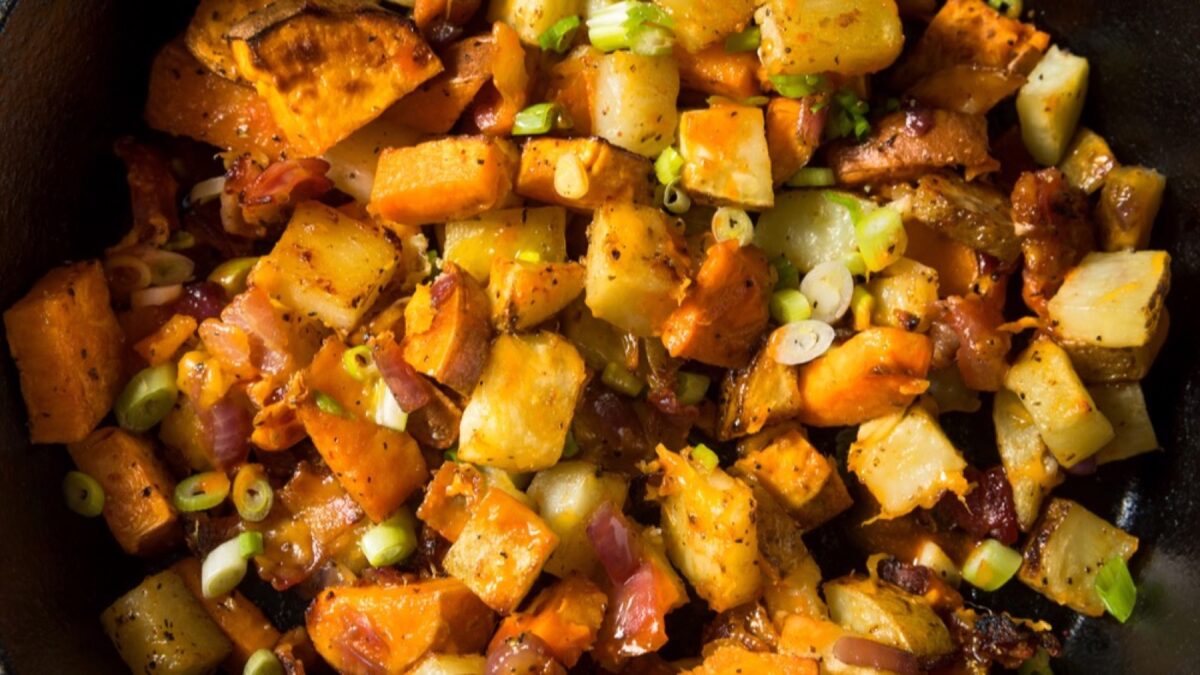
Eggs and potatoes can become a satisfying meal with the addition of onions, peppers, or other vegetables. The potatoes provide the base, while eggs add protein.
This type of skillet meal can be served for breakfast, lunch, or dinner. It is particularly useful when there are small quantities of vegetables left in the refrigerator.
Egg prices can fluctuate significantly, so the value depends on current local prices. Comparing eggs with other protein sources helps determine when this meal offers genuine savings.
5. Cabbage and Sausage
Cabbage is versatile because it can be sautéed, roasted, added to soup, or cooked with a modest amount of meat. Combining it with sausage creates a flavorful meal without requiring a large meat portion.
Onions, potatoes, and carrots can stretch the dish further. Families can also use beans instead of sausage to reduce cost or accommodate different dietary preferences.
The key is allowing vegetables to make up most of the meal. That approach can make expensive protein ingredients last longer.
6. Rice and Beans
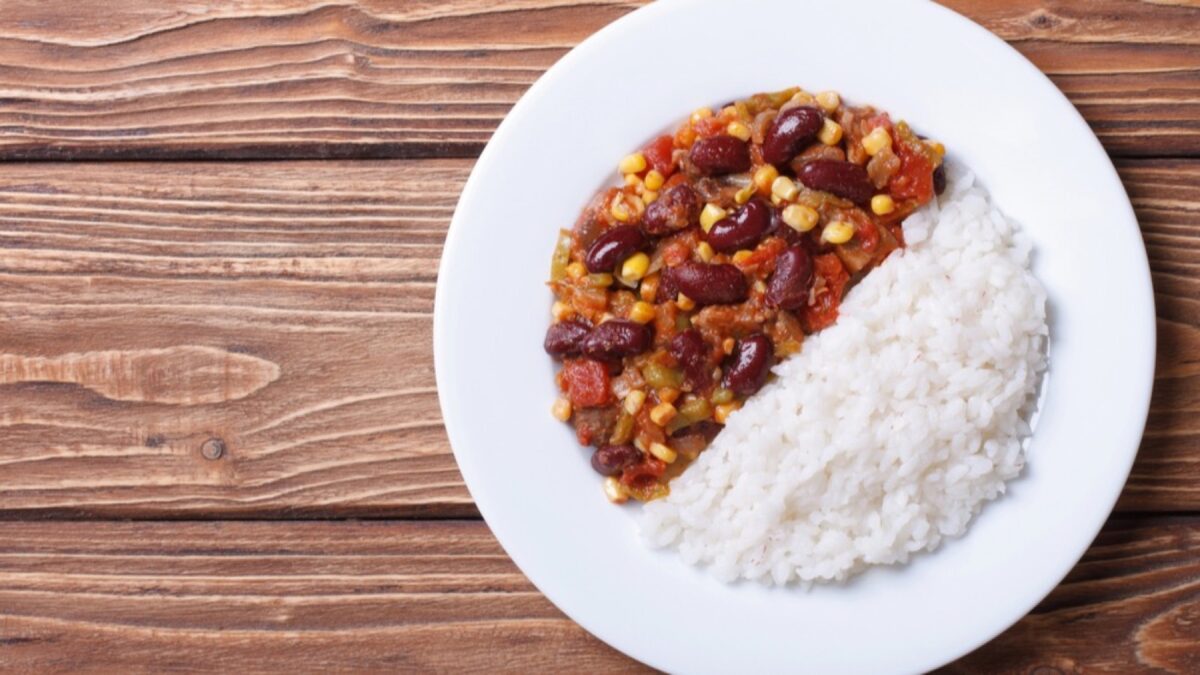
Rice and beans appear in many culinary traditions around the world. The combination is popular because the ingredients store well, can be purchased in bulk, and work with numerous seasonings.
Adding vegetables, herbs, or a small amount of meat changes the flavor without requiring an entirely different shopping list. Leftover rice and beans can also become fillings for wraps or other meals.
Cooked rice requires careful storage because harmful bacteria can grow when it remains at room temperature too long. Refrigerating leftovers promptly helps make batch cooking safer.
7. Homemade Vegetable Soup
Vegetable soup is an effective way to use carrots, celery, potatoes, beans, tomatoes, and other ingredients already available in the kitchen. It doesn’t require a rigid recipe.
Frozen vegetables can be especially convenient because they last longer than many fresh varieties. Adding beans, lentils, pasta, or chicken can make the soup more substantial.
Soup also freezes well when prepared with suitable ingredients. Making several portions can reduce food waste and provide meals for busy days.
8. Homemade Macaroni and Cheese
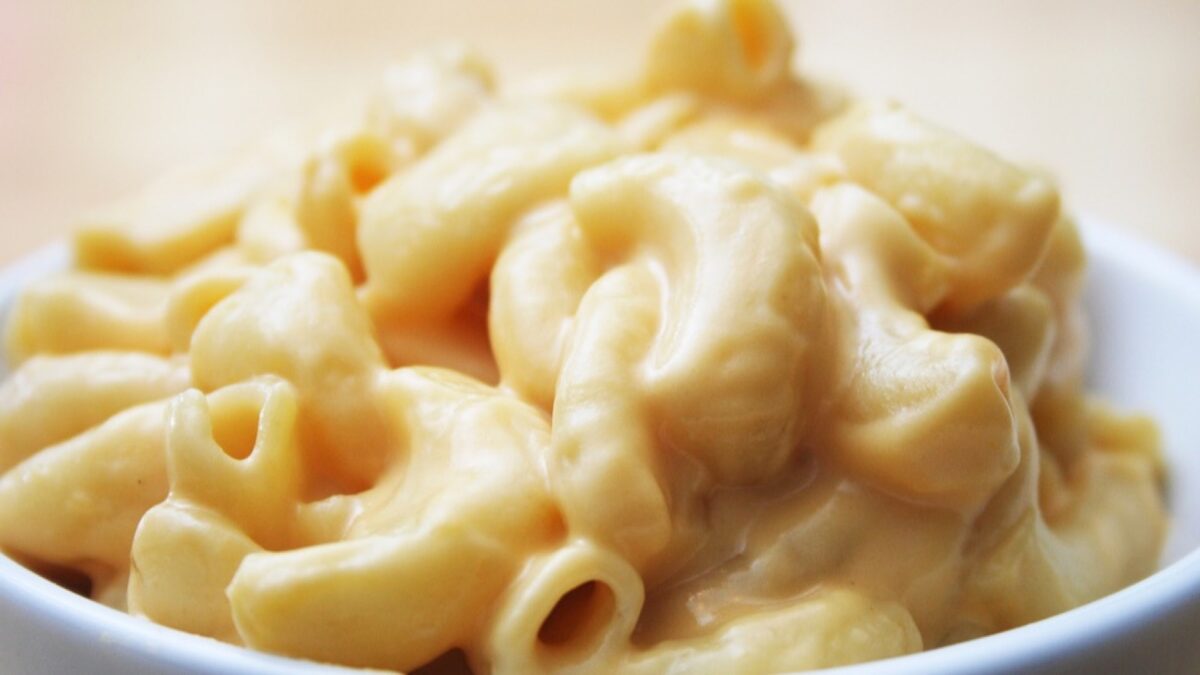
Macaroni and cheese is often inexpensive when prepared using basic pasta, milk, and cheese. The cost depends heavily on which cheese and additional ingredients are used.
Adding broccoli, peas, or another vegetable can create a more balanced meal. Families can also prepare smaller portions alongside soup or a vegetable side dish.
Boxed versions may sometimes cost less, especially during promotions. Comparing the actual ingredient costs is more useful than assuming homemade food is always cheaper.
The Real Secret to Budget Cooking
The biggest advantage of these meals is flexibility. They allow families to adjust ingredients based on what is affordable, available, and already in the pantry.
No single dish guarantees savings in every supermarket. But planning meals around versatile staples, using leftovers, and avoiding unnecessary food waste can help households control grocery spending.