Scrambled eggs might be one of the simplest breakfast dishes, but getting that perfectly soft, creamy texture can be surprisingly difficult. One minute, they’re silky and tender. The next, they’re dry, rubbery, and nothing like the restaurant-style eggs you imagined.
Many home cooks add milk or heavy cream, hoping to achieve a richer consistency. Others swear by butter, low heat, or constant stirring. But there’s another ingredient that might already be sitting in your refrigerator, waiting to transform your breakfast.
The surprising secret? Mayonnaise.
Yes, the same condiment you spread on sandwiches and mix into potato salad can help create incredibly creamy scrambled eggs. Celebrity chef Alton Brown has championed this technique, explaining that mayonnaise can improve the texture of scrambled eggs without overpowering their familiar flavor.
Here’s why the trick works and how to try it in your own kitchen.
Why Mayonnaise Is the Secret to Creamier Scrambled Eggs
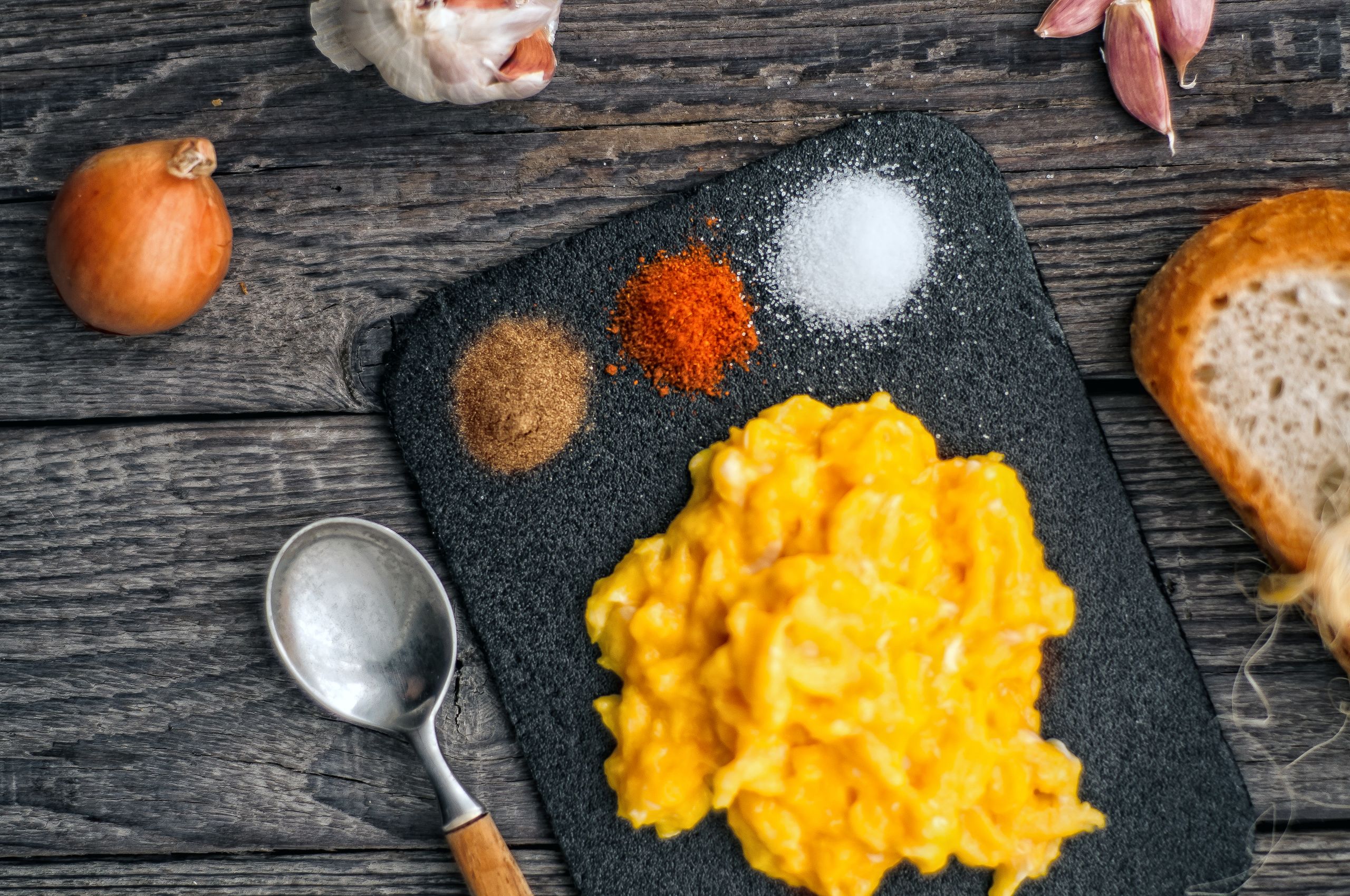
At first, adding mayonnaise to scrambled eggs might sound unusual. After all, mayonnaise is generally associated with sandwiches, burgers, and creamy dressings.
But the idea makes sense when you consider what mayonnaise contains.
Traditional mayonnaise is an emulsion made primarily from oil, egg yolks, and an acidic ingredient such as vinegar or lemon juice.
When whisked into scrambled eggs, the mixture adds fat and can create a richer texture.
In his cookbook Everyday Cook, Alton Brown introduced a scrambled egg preparation incorporating mayonnaise and water. He explained that adding one emulsion to another could improve the finished eggs’ consistency.
As reported by The Kitchn, Brown described the resulting eggs as creamier than eggs prepared with dairy alone.
The result is a cooking technique that offers an alternative to traditional milk-and-cream recipes.
How Much Mayonnaise Should You Add?
The good news is that you don’t need much mayonnaise to make a difference.
Too much can change the flavor and make the mixture heavier than intended.
Brown’s original cookbook method uses approximately one teaspoon of mayonnaise and one teaspoon of water for three eggs.
His 20-Second Scrambled Eggs recipe uses two teaspoons of mayonnaise, one teaspoon of water, and three large eggs.
That makes the technique easy to experiment with using ingredients you probably already have.
For a mild introduction to the method, start with one teaspoon of mayonnaise for three eggs.
Whisk it thoroughly into the egg mixture before cooking to prevent visible clumps.
You can adjust the amount slightly the next time, depending on the consistency you prefer.
Why Mayonnaise Can Work Better Than Milk or Cream
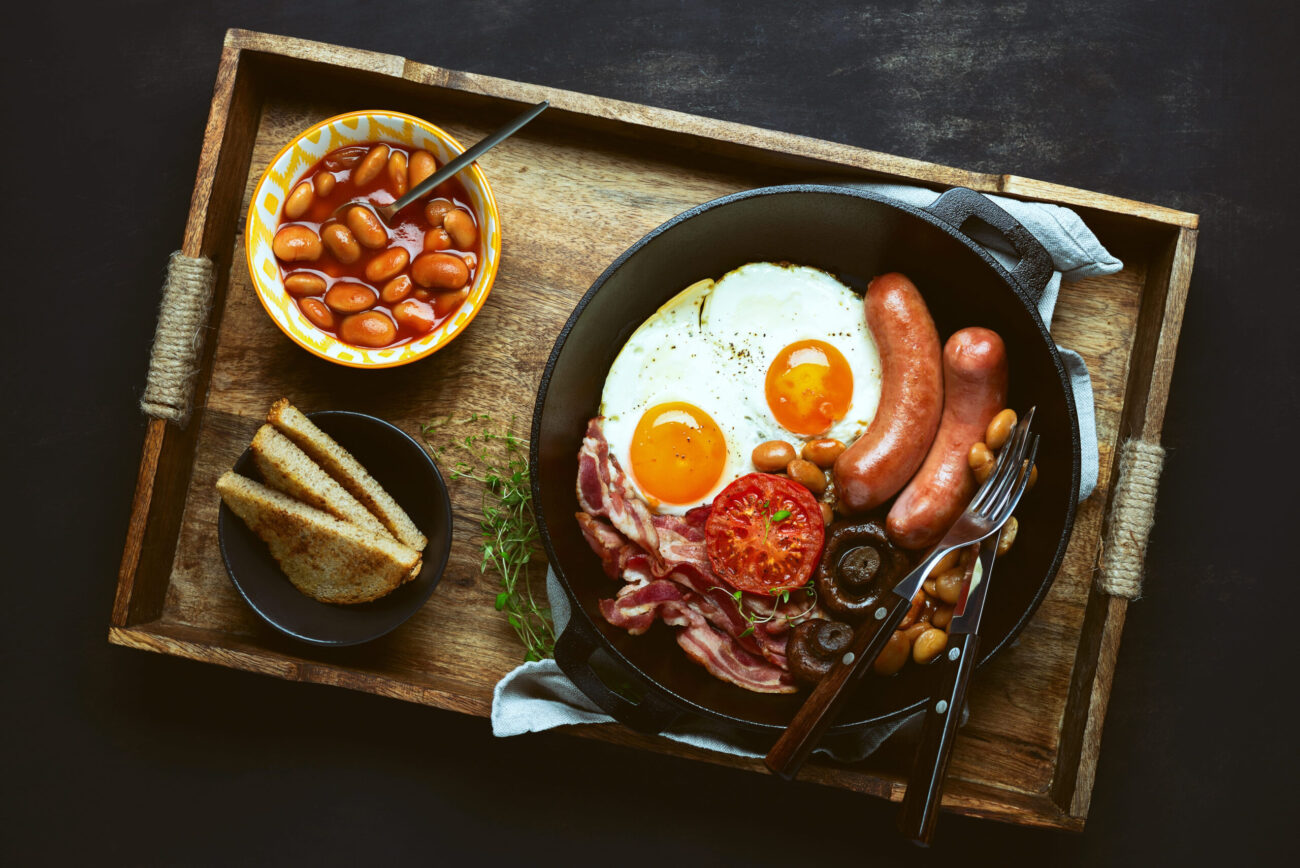
Milk and cream aren’t necessarily poor choices for scrambled eggs. In fact, many chefs use them successfully.
However, they produce somewhat different results.
Milk adds liquid and dairy solids to the eggs, while heavy cream contributes richness through its fat content.
Mayonnaise brings its own combination of fat, egg yolk, and acidity.
Its emulsified structure makes it particularly interesting for creating a smooth scrambled egg mixture.
According to Food Republic, mayonnaise can create a rich, creamy consistency when incorporated into scrambled eggs.
That doesn’t mean mayonnaise is objectively better for every recipe. Some people prefer the delicate flavor of eggs made with butter alone, while others enjoy the richness of cream.
The mayonnaise method is worth trying if you want a silky, tender scramble.
Will Your Scrambled Eggs Taste Like Mayonnaise?
This is probably the first question that comes to mind.
After all, mayonnaise has a distinctive flavor, and nobody wants breakfast that unexpectedly tastes like a sandwich spread.
Fortunately, a small amount generally blends into the eggs without becoming the dominant flavor.
Brown’s approach focuses on improving texture rather than adding a noticeable mayonnaise taste.
The eggs remain the main ingredient, while butter, salt, pepper, and optional seasonings provide familiar breakfast flavors.
However, the type of mayonnaise matters.
Plain mayonnaise is the simplest starting point. Strongly flavored varieties containing garlic, herbs, or other seasonings may noticeably affect the finished dish.
If you’re trying this technique for the first time, stick with ordinary mayonnaise and use a modest amount.
The Best Way to Cook Scrambled Eggs With Mayonnaise
Adding mayonnaise is only part of the process. Cooking technique still plays an important role.
Even a carefully prepared egg mixture can become dry if it remains on excessive heat for too long.
For an easy homemade version, gather three large eggs, 1 teaspoon mayonnaise, 1 teaspoon water, a little butter, and salt and pepper.
Crack the eggs into a medium mixing bowl. In a separate small bowl, combine the mayonnaise and water, stirring until smooth.
Add the mayonnaise mixture to the eggs and whisk everything together until fully combined.
Next, place a nonstick skillet over medium-low heat and melt a small amount of butter. Once the butter has melted, pour in the egg mixture.
Let the eggs begin setting, then gently move them around the pan with a silicone spatula. Fold the eggs slowly to create soft, delicate curds.
Continue cooking until the eggs are fully set but still tender. Transfer them to a plate and serve immediately.
This gentler stovetop preparation adapts the mayonnaise technique rather than Brown’s specialized 20-second method, which uses a thoroughly preheated pan.
Common Mistakes That Can Ruin Creamy Scrambled Eggs
Even with mayonnaise, a few common cooking mistakes can ruin the results.
One of the biggest is using too much heat.
When eggs cook quickly, controlling their final texture becomes harder. You may end up with firm, dry curds instead of the soft consistency you want.
Another mistake is adding excessive mayonnaise.
A generous spoonful might seem like an easy way to make the eggs creamier, but too much can overpower their natural flavor and make the mixture unnecessarily rich.
Failing to combine the ingredients thoroughly can also produce uneven results.
Take a moment to whisk the mayonnaise into the eggs before pouring everything into the skillet.
Finally, watch the cooking time. Remove the eggs promptly once they reach a fully set but tender consistency.
The goal is to create creamy scrambled eggs, not to compensate for overcooking with additional ingredients.
Can You Use Mayonnaise Instead of Butter?
Mayonnaise contains oil, so it’s understandable to wonder whether you can skip the butter entirely.
Technically, you can prepare scrambled eggs without butter by using a suitable nonstick skillet and another cooking fat.
However, adding mayonnaise to the egg mixture doesn’t necessarily eliminate the need to prepare the pan properly.
A small amount of butter contributes flavor and helps reduce sticking.
Brown’s published mayonnaise-based recipe includes butter in the cooking process, demonstrating that the two ingredients can complement each other.
If you’re experimenting at home, you can adjust the cooking fat according to your preferences.
Just remember that mayonnaise is being used primarily to change the eggs’ texture, while butter also helps with the cooking process.
Other Simple Ways to Make Scrambled Eggs Taste Better
Once you’ve mastered the mayonnaise technique, you can customize your breakfast in plenty of ways.
Fresh chives add a mild onion flavor, while black pepper provides a familiar finishing touch.
A little shredded cheese can make the scramble even richer, especially when folded in near the end of cooking.
If you enjoy bolder flavors, consider adding a small amount of hot sauce or harissa.
Brown’s mayonnaise-based recipe includes optional harissa or fresh chives, showing how the technique works with different flavor combinations.
You could also serve the eggs over toasted sourdough or alongside sautéed mushrooms and tomatoes.
The key is to keep the additions balanced so they complement rather than overwhelm the creamy eggs.