Oysters have a reputation for being one of the ocean’s most luxurious treats. Whether served on ice with lemon or enjoyed at a fancy seafood restaurant, they can make an ordinary meal feel like a special occasion. But a recent Salmonella outbreak linked to raw oysters harvested in Virginia has put seafood safety back in the spotlight.
Federal and state health officials are investigating illnesses connected to oysters harvested from the Little Wicomico River. The outbreak has triggered a recall, a temporary harvesting closure, and warnings to consumers and restaurants. Here’s what happened, which oysters are affected, and what seafood lovers should know before ordering their next plate.
The Oyster Outbreak That’s Making Headlines
A popular seafood delicacy has become the subject of a serious food safety investigation.
According to the CDC’s latest outbreak update, 28 people across 13 states have been infected with Salmonella Telelkebir. Investigators are working with the Food and Drug Administration and state health departments to determine the full extent of the outbreak.
The illnesses have been linked to raw oysters that Little Wicomico Oyster Company harvested from Virginia’s Little Wicomico River. Health officials are particularly concerned because raw oysters can carry harmful bacteria even when they look and smell perfectly normal.
Which Oysters Have Been Recalled?
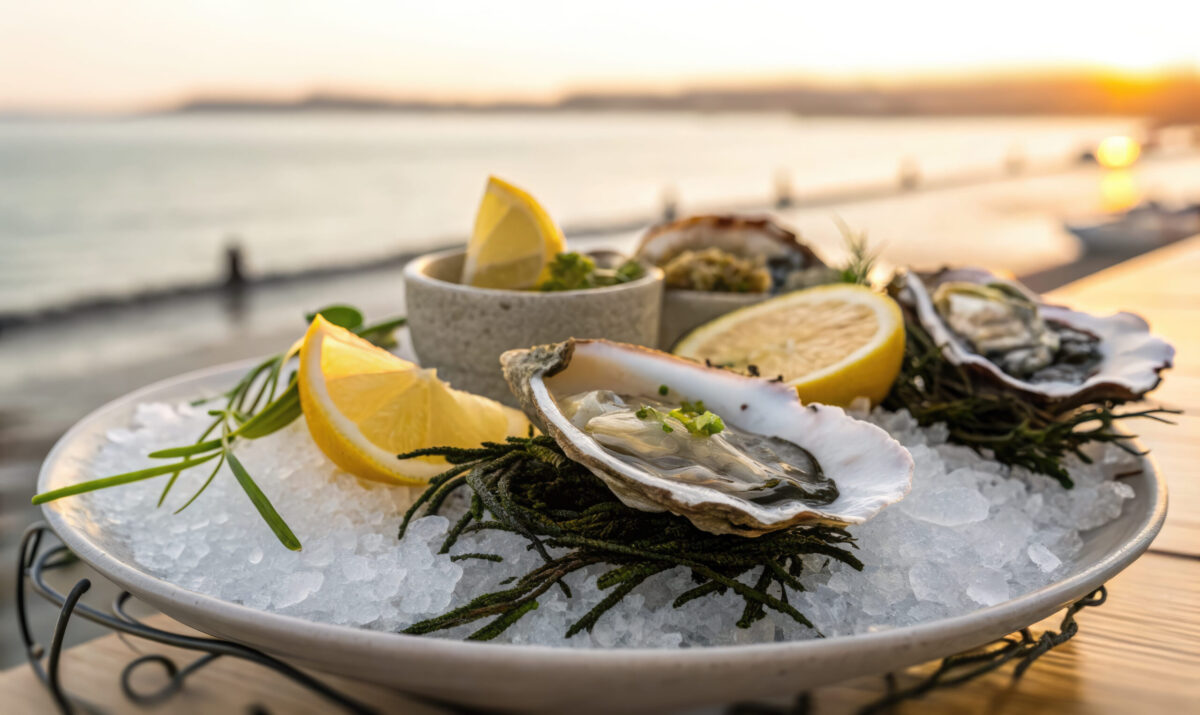
The recall applies to specific oysters harvested during a particular period, not every oyster from Virginia.
Little Wicomico Oyster Company voluntarily recalled whole shellstock oysters harvested between September 18 and October 8, 2026, from the Little Wicomico River and Little Wicomico River Lower harvest areas.
The affected oysters were distributed to restaurants and retailers in multiple states, including New York, Pennsylvania, Maryland, Virginia, Florida, and Texas. They may also have been distributed further.
The FDA’s safety alert on the recalled Virginia oysters advises consumers, restaurants, and retailers not to eat, sell, or serve the recalled products.
Why Raw Oysters Can Be Risky
An oyster’s fresh appearance doesn’t guarantee it’s free from harmful bacteria.
Oysters are filter feeders. As they draw water through their bodies, they can accumulate microorganisms present in their environment. If harmful bacteria such as Salmonella are present, eating the oysters raw or undercooked can expose people to infection.
Seafood safety concerns aren’t limited to oysters. Pet owners, for example, may want to read about Salmonella concerns involving certain lots of Darwin’s cat food, which highlights how foodborne bacteria can affect products beyond the human dinner table.
Cooking oysters thoroughly can reduce the risk of foodborne illness, but raw oysters remain riskier, particularly for people more vulnerable to severe infections.
What Are the Symptoms of Salmonella?
A contaminated meal can leave someone feeling much worse than they expected.
Salmonella infection commonly causes diarrhea, fever, and stomach cramps. Symptoms can begin within six hours to six days after consuming contaminated food, and many people recover within four to seven days.
However, some infections can become severe. Young children, older adults, and people with weakened immune systems are at greater risk of serious illness.
The CDC advises seeking medical care for severe symptoms, including bloody diarrhea, diarrhea lasting more than two days, a fever above 102°F, persistent vomiting, or signs of dehydration.
Seafood Recalls Aren’t New
This outbreak reminds us that seafood products can carry food safety risks.
In recent years, recalls have affected a variety of seafood products, including smoked fish. For example, consumers may recall the Starfish smoked salmon recall, which shows why tracking food safety notices matters even when a product is ready to eat.
Seafood can be a nutritious part of a balanced diet, but proper sourcing, handling, storage, and preparation are essential. If you’re curious about the broader debate surrounding seafood, check out the seafood chain that’s actually good despite all the hate.
What Should Consumers Do?
If you have recalled oysters in your refrigerator or freezer, don’t take a chance.
Consumers should discard or return recalled oysters and avoid serving them. Restaurants and retailers must stop selling or serving the affected products.
Anyone who handled the recalled oysters should thoroughly clean and sanitize utensils, containers, countertops, and other surfaces that may have come into contact with them.
Food safety risks aren’t always obvious. Even foods that appear harmless can cause illness if handled improperly. For another example, read how to avoid food poisoning from rice, which explains why proper storage and handling are important for everyday meals.
Are All Virginia Oysters Unsafe?
No. The recall is limited to oysters harvested from the affected Little Wicomico River areas during the specified dates.
Virginia has more than 90 shellfish growing areas. Health officials have clarified that oysters harvested from other open Virginia growing areas are not included in this recall.
Officials temporarily closed the Little Wicomico River harvest area while they investigate and test shellfish. The closure does not mean all Virginia oysters are contaminated.
It’s also worth remembering that oysters are just one of many foods people enjoy in different ways. From seafood delicacies to some of the weirdest and most unconventional delicacies in the United States, adventurous eating is part of food culture. But when a recall is announced, safety should always come first.
A Seafood Favorite Worth Enjoying Safely
Oysters remain a beloved delicacy, but this outbreak highlights why food safety warnings should never be ignored. Checking recall notices, understanding where seafood comes from, and avoiding recalled products can help protect you and your family.
If you’re a fan of raw oysters, remember that even fresh-looking shellfish can carry harmful bacteria. Choosing thoroughly cooked seafood is safer, especially for people at higher risk of severe illness.
And when you’re planning meals at home, having reliable ingredients on hand can make it easier to prepare something delicious without unnecessary risks. Uncle Jo’s guide to 10 Simple Habits to Recharge Your Mind and Body offers inspiration for keeping everyday meals simple.
Have you ever checked where your seafood was harvested before ordering it at a restaurant?