The microwave should make leftovers taste almost as good as they did the first time. But sometimes, yesterday’s delicious dinner comes out rubbery, with dried-out rice or pasta that’s scorching hot around the edges and cold in the middle.
The problem isn’t necessarily your microwave or the food itself. One common mistake is reheating leftovers uncovered without stirring or rearranging them, which can leave food unevenly heated and unnecessarily dry.
Fortunately, a few small changes can noticeably improve the taste, texture, and overall quality of reheated meals.
Why Reheating Food Uncovered Is Such a Common Mistake
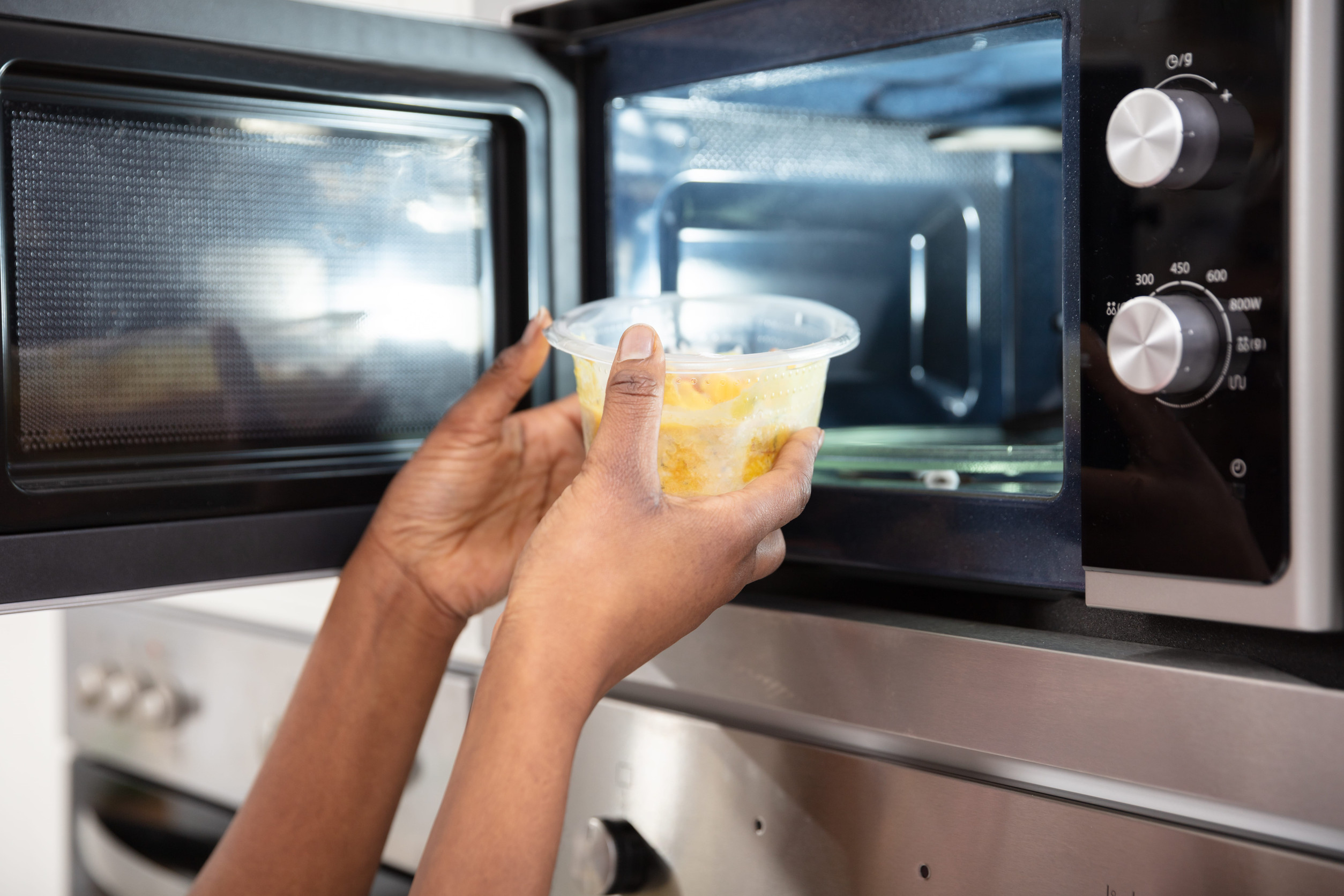
Most people have done it. You grab a plate of leftovers from the refrigerator, microwave it, press a button, and walk away.
A few minutes later, the food looks hot enough to eat. Unfortunately, the outside may have become dry while the center is still lukewarm.
According to the USDA Food Safety and Inspection Service, food reheated in the microwave should be covered, stirred, and rotated to promote even heating.
Covering food helps retain moisture that would otherwise escape during reheating. It also encourages steam to circulate, making it easier to warm the meal without drying out exposed surfaces.
This is especially helpful for leftovers like rice, pasta, casseroles, and cooked vegetables.
Your Microwave Doesn’t Heat Everything Equally
One reason microwave reheating can be frustrating is that different parts of a meal don’t always warm at the same rate.
You might take a bite of steaming mashed potatoes, only to find the meat underneath still cold. Or you may find that the sauce around your pasta is bubbling while some noodles remain cool.
The U.S. Food and Drug Administration explains that microwave ovens can create hot and cold spots because food heats unevenly.
That difference matters beyond taste. Cold spots can allow harmful bacteria to survive when leftovers aren’t reheated thoroughly.
The FDA recommends checking reheated food in several places with a food thermometer rather than assuming the entire dish is hot because one section is steaming.
For most leftovers, the USDA recommends reaching an internal temperature of 165°F (74°C) throughout.
A Simple Cover Can Make a Big Difference
One of the easiest ways to improve microwave leftovers is to cover your food before reheating it.
You don’t need an elaborate kitchen gadget. A microwave-safe cover or a properly vented microwave-safe lid can help retain moisture while letting excess steam escape.
The key is making sure the cover isn’t completely sealed. A small opening allows steam pressure to escape during heating.
For foods that tend to dry out, adding a small amount of water or another suitable liquid can also help.
Consider leftover rice, for example. A small splash of water before reheating can help loosen the grains and reduce dryness.
Pasta may benefit from a little water or extra sauce, while certain casseroles can be covered to prevent the top from becoming overly dry.
The goal isn’t to soak your meal. It’s simply to replace some of the moisture that can be lost during reheating.
Why You Should Stop the Microwave Halfway Through
Another mistake is leaving food completely untouched until the timer finishes.
Even microwaves with rotating turntables can heat food unevenly. That’s why stopping halfway through and giving your food a quick stir can make such a difference.
For soups, stews, and saucy dishes, stirring moves the hotter portions around and helps colder areas warm more evenly.
For solid foods that don’t stir easily, rotating or rearranging the pieces can help.
Health Canada specifically recommends rotating and stirring food midway through reheating to distribute heat more evenly.
This is especially useful when reheating a plate containing several different foods.
Instead of expecting everything to warm evenly at the same time, check the different components and adjust their positions as needed.
Related :4 Ways Your “Food Storage Routine” Is Slowly Emptying Your Wallet
Overheating Can Be Just as Disappointing
Sometimes the problem isn’t that leftovers are too cold. They’ve been heated for so long that their original texture disappears.
Cooked chicken can become tough, pasta can lose its pleasant bite, and vegetables can soften more than intended.
A practical way to avoid this is to reheat food in stages rather than using one unnecessarily long cycle.
Start with a shorter interval, stir or rearrange the food, and continue heating as needed.
For delicate dishes, trying a lower microwave power setting may also help you control the reheating process.
However, shorter intervals should never mean stopping before food is thoroughly heated. Use a food thermometer to confirm that leftovers have reached the recommended safe temperature.
The idea is to control the heating process instead of leaving the microwave to do all the work unattended.
Don’t Skip the Resting Time
Here’s another step that often gets overlooked: allowing food to stand briefly after microwaving.
Many people remove their plate the moment the microwave beeps and start eating right away.
However, the USDA recommends letting food stand before checking the temperature of reheated leftovers.
During this time, heat continues to redistribute through the food, reducing temperature differences between hotter and cooler areas.
The FDA also emphasizes following the standing-time instructions provided on packaged foods.
This doesn’t mean leaving leftovers sitting around indefinitely. Follow any applicable package directions, then check that the food has reached a safe temperature throughout.
This small habit can improve heating consistency without adding much effort to your meal prep.
The Container You Use Matters Too
The container you choose can affect how conveniently and appropriately you reheat leftovers.
Not every plastic container or takeout package is microwave-safe.
Health Canada recommends using only containers and wraps specifically identified as microwave-safe. It also cautions against reusing certain disposable takeout containers intended for one-time use.
If you’re unsure whether a container is microwave-safe, transfer the food to a microwave-safe glass or ceramic dish.
A shallow dish can also make it easier to spread food out rather than piling everything into one thick mound.
Spreading leftovers into a more even layer helps reheat more consistently.
Some Leftovers Need a Different Approach
Not every meal reheats equally well in the microwave.
Rice, pasta, soups, and many casseroles reheat well in the microwave when done correctly.
However, foods that depend on a crisp exterior can be harder to reheat.
Leftover pizza, roasted potatoes, and fried foods may lose some of their original crispness when reheated in a covered microwave dish.
For these foods, a skillet, oven, or air fryer may provide a more appealing texture.
On the other hand, the microwave remains an excellent convenience for meals where maintaining moisture is more important than preserving crunch.
Choosing the right reheating method can make yesterday’s dinner much more enjoyable.
Related: 12 Old-Fashioned Foods Your Grandma Made That You Rarely See on Dinner Tables Today
Don’t Forget How the Leftovers Were Stored
Even excellent reheating techniques cannot undo improper food storage.
According to the FDA, perishable leftovers should generally be refrigerated within two hours of cooking or serving. When temperatures exceed 90°F, that limit drops to one hour.
Food left out too long may become unsafe, and reheating doesn’t necessarily eliminate every hazard associated with improper storage.
The USDA also recommends reheating leftovers to 165°F, whether the original food was homemade or purchased from a restaurant.
When storing a large batch of leftovers, divide it into smaller portions to make refrigeration and reheating easier.
This also lets you heat only what you plan to eat instead of repeatedly warming the whole container.
The Small Change That Makes Leftovers Better
Next time you reach for yesterday’s dinner, resist the temptation to put an uncovered plate in the microwave and forget it.
Instead, spread the food evenly, add a little moisture if needed, use a vented microwave-safe cover, and stop halfway through to stir or rearrange it. Allow the recommended standing time and check that the food has reached 165°F throughout.
These simple habits can help preserve the texture of your favorite meals while making reheating more consistent.
The bottom line: Better leftovers don’t necessarily require better appliances or complicated cooking tricks. Sometimes, the difference comes down to covering your plate, stirring your food, and giving the microwave a little help.