Halloween is supposed to be a night of spooky fun, creative costumes, and kids running from house to house to collect candy. But somewhere between the elaborate decorations, crowded sidewalks, and neighborhood parties, a few simple manners seem to have disappeared.
Whether you’re taking your kids trick-or-treating, handing out candy, attending a Halloween party, or decorating your home, a little courtesy can make the holiday more enjoyable for everyone. Here are eight Halloween etiquette rules to remember before the next doorbell rings.
Don’t Take More Candy Than You’re Offered
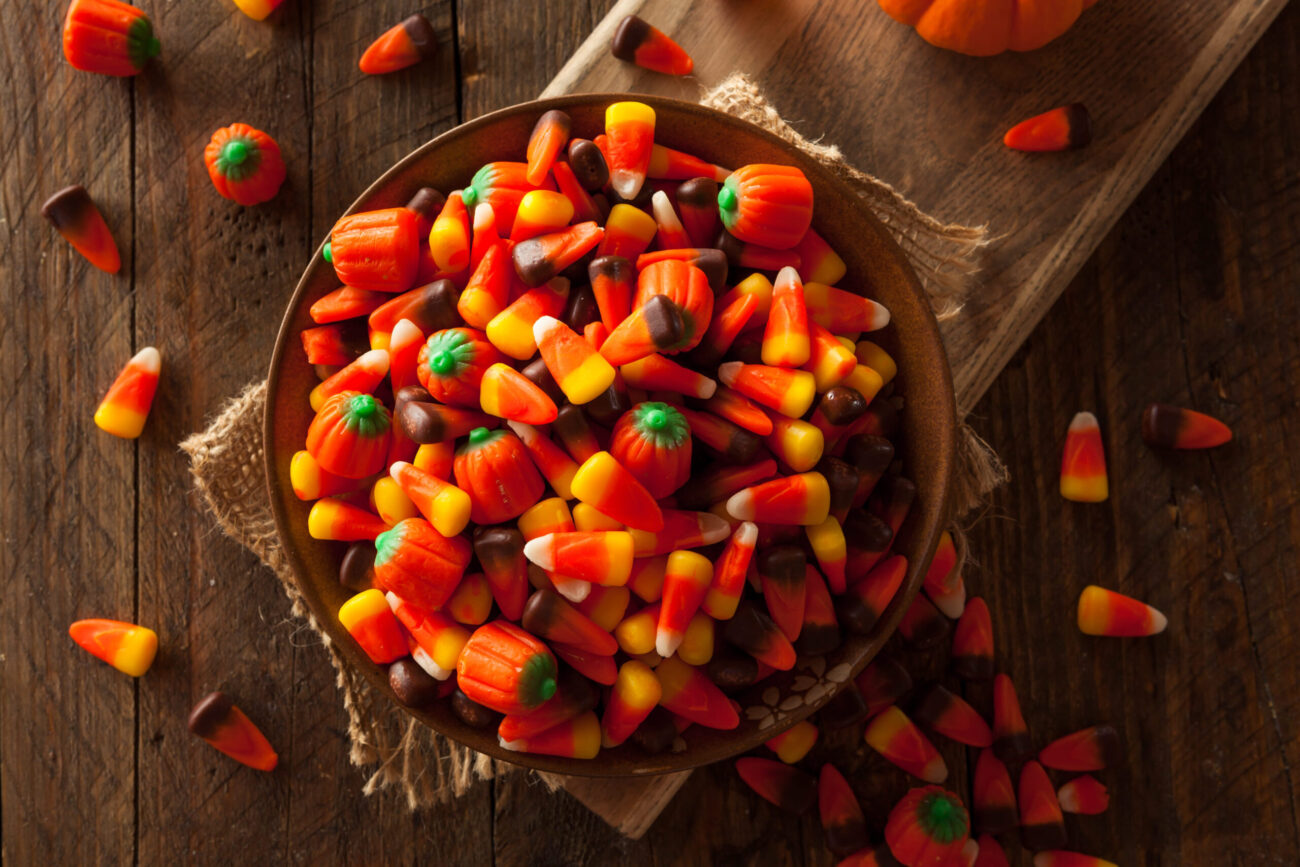
The candy bowl isn’t an invitation to empty it.
When someone holds out a bowl of Halloween treats, take one or two pieces unless they specifically tell you to take more. Some households prepare enough candy for dozens of children, while others have a limited supply.
Taking handfuls can leave the children arriving later with nothing. If you’re trick-or-treating with little ones, remind them that the goal is to enjoy the experience, not collect the biggest candy haul on the block.
Related: 9 Things You Should Never Do When Handing Out Halloween Candy
Respect the Houses That Aren’t Participating
Not every home wants to celebrate Halloween, and that’s perfectly fine.
Leave a house with its porch light off, no decorations, or a clearly displayed “No Trick-or-Treaters” sign alone. Some people may be away, working, resting, or simply not interested in participating.
Knocking repeatedly, ringing the bell several times, or shouting from the sidewalk won’t change their minds. A little respect for someone’s home and personal choice goes a long way.
Related: How to Grow, Harvest, and Care for Your Pumpkins
Don’t Let Your Children Run Ahead Without Supervision
Halloween excitement is no excuse to forget basic safety and courtesy.
Children should avoid running across lawns, bumping into other trick-or-treaters, or rushing toward someone’s front door. Parents and guardians should keep younger children close, especially around driveways, streets, and crowded sidewalks.
The American Academy of Pediatrics recommends that adults supervise young children during trick-or-treating and help them navigate Halloween safely.
Say Thank You for the Treat
A simple thank-you still matters, even in a vampire costume.
When someone gives you candy, acknowledge the gesture. Children can say “thank you,” wave, or offer a cheerful Halloween greeting. Adults should model the same behavior instead of rushing away while checking their phones.
It’s a small moment, but it makes the person handing out candy feel appreciated. When children learn to show gratitude during Halloween, they’re building a habit that matters all year.
Don’t Criticize Someone’s Candy Selection
You don’t have to love every treat to appreciate the person giving it away.
Maybe the house has lollipops instead of chocolate bars. Maybe they’re handing out small bags of pretzels, stickers, or fruit snacks. Whatever the choice, it’s still a thoughtful gesture.
Complaining that the candy isn’t your favorite, making faces, or announcing that another house gave better treats is rude. If you don’t want what’s offered, politely decline and move along.
Keep Costumes Appropriate for the Occasion
Creative costumes are part of Halloween, but consideration should come first.
A costume that frightens small children, blocks someone’s view, or creates a safety hazard may not be the best choice for a neighborhood trick-or-treating event.
Avoid costumes with sharp accessories or oversized props that could hurt someone in a crowded setting. Also, avoid costumes that mock real people, cultures, or serious experiences.
The National Safety Council offers Halloween safety guidance, including advice about visibility and costume-related hazards.
Don’t Treat Other People’s Decorations Like Playground Equipment
Those spooky displays took time, money, and effort to create.
Halloween decorations can be expensive, especially when homeowners build elaborate displays with lights, inflatables, skeletons, and animatronic figures.
Touching, climbing on, pulling apart, or damaging decorations is not harmless fun. Parents should remind children to admire displays without disturbing them, and adults should follow the same rule when visiting decorated homes.
Be Considerate When Hosting a Halloween Party
A good Halloween party should be fun for guests and neighbors alike.
If you’re hosting a party, let guests know the dress code, whether children are welcome, and whether they should bring anything. Keep music at a reasonable volume and avoid blocking driveways or neighboring properties with parked cars.
It’s also courteous to offer food and drinks that accommodate different needs when possible. Uncle Jo’s simple habits to recharge your mind and body remind us that thoughtful everyday choices can make social occasions more enjoyable.
A Little Courtesy Makes Halloween Better
Halloween is more memorable when everyone feels welcome.
The best parts of the holiday aren’t just the candy, costumes, or decorations. They’re the neighbors who make children smile, the families who walk together, and the small gestures that keep the evening cheerful.
And remember, Halloween doesn’t have to be perfect to be wonderful. A little patience, a little gratitude, and a little consideration can make the night better for everyone.
Which Halloween etiquette rule do you think people forget most: saying thank you, respecting houses that don’t participate, or not taking too much candy?
Other Articles You Might Like:
8 Halloween Safety Steps to Take Before Saturday Night
America’s Favorite Halloween Candy Changed in 12 States This Year — See What Your State Picked