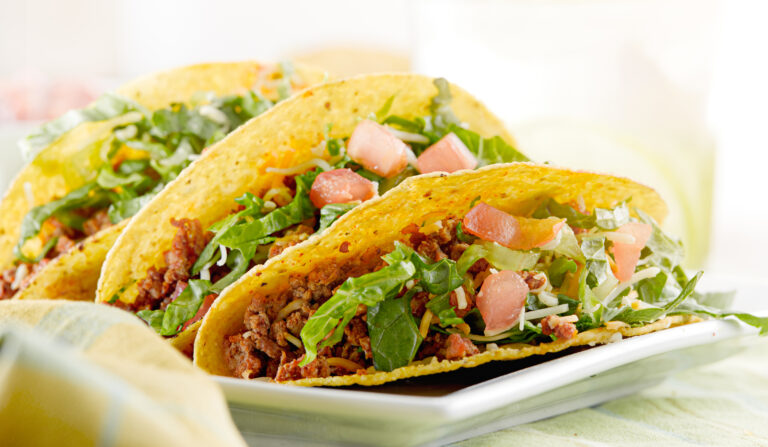
Ever ordered an expensive restaurant meal, taken one bite, and wondered what exactly you were paying for? Sometimes, the answer is excellent cooking. Other times, it’s the ingredients themselves that make the biggest difference.
A talented chef can transform affordable ingredients into something delicious. But certain restaurant dishes leave very little room for shortcuts. When the main ingredient is served with minimal seasoning, sauce, or preparation, its flavor and texture become the center of attention.
That doesn’t mean expensive ingredients are always better. Freshness, proper handling, and cooking technique often matter just as much as price.
Here are eight restaurant dishes where ingredient quality can make a noticeable difference.
Maryland-Style Crab Cakes
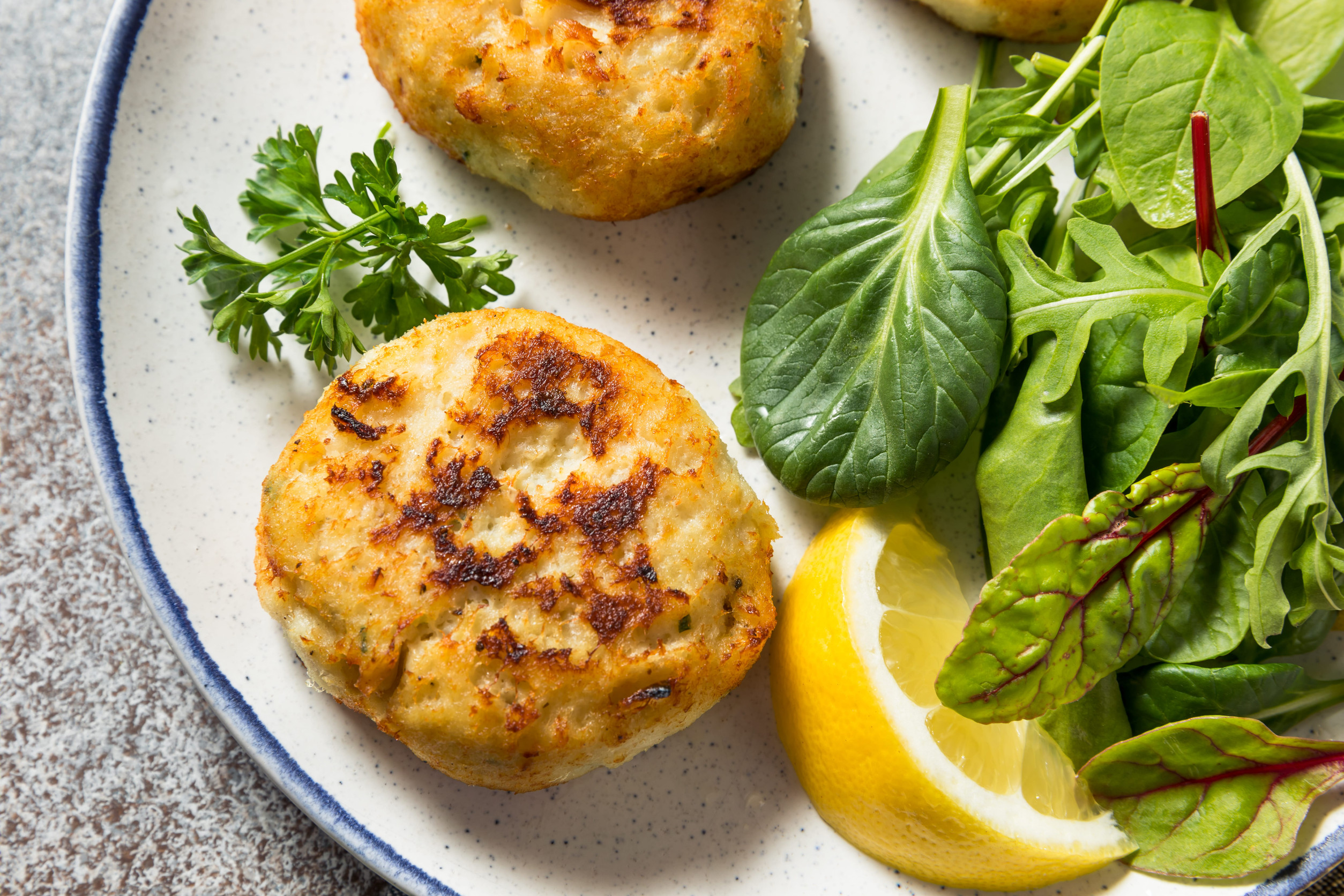
A great Maryland-style crab cake should taste like crab, not like a seasoned breadcrumb patty that happens to contain seafood.
The secret is balancing crabmeat and filler. Large, recognizable pieces of lump crab give the cake its distinctive texture, while just enough binding holds everything together.
According to culinary testing by Daniel Gritzer at Serious Eats, lump crabmeat offers a useful balance of larger and smaller pieces. Interestingly, the more expensive jumbo lump isn’t always necessary, especially when mixing would break those beautiful pieces apart.
When ordering crab cakes, look for a crab-forward interior rather than a uniform, breadlike filling. A generous portion of actual crab makes the difference.
Caprese Salad
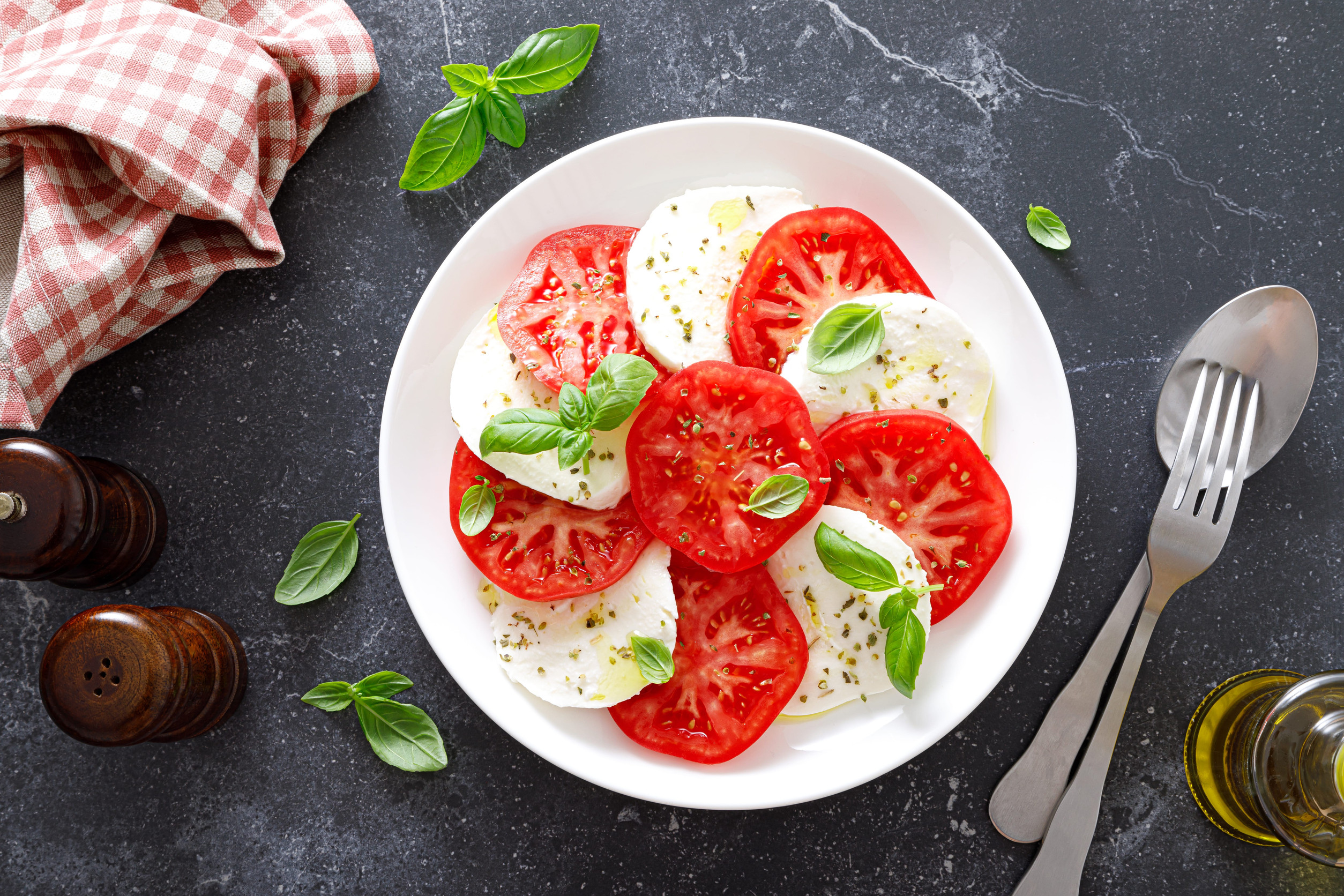
Caprese salad might be one of the simplest dishes on an Italian restaurant menu. It’s basically tomatoes, mozzarella, fresh basil, olive oil, and seasoning.
But that simplicity is exactly what makes ingredient quality important.
A ripe tomato brings sweetness, acidity, and a distinctive aroma. Fresh mozzarella contributes a soft, moist texture that ordinary low-moisture block mozzarella doesn’t replicate.
A 2016 study in Proceedings of the National Academy of Sciences found that prolonged chilling reduced key tomato aroma compounds, even as sugar and acid levels stayed largely unchanged.
The practical lesson? A perfectly ripe, well-handled tomato can make a bigger impression than an expensive imported ingredient.
Pan-Seared Sea Scallops
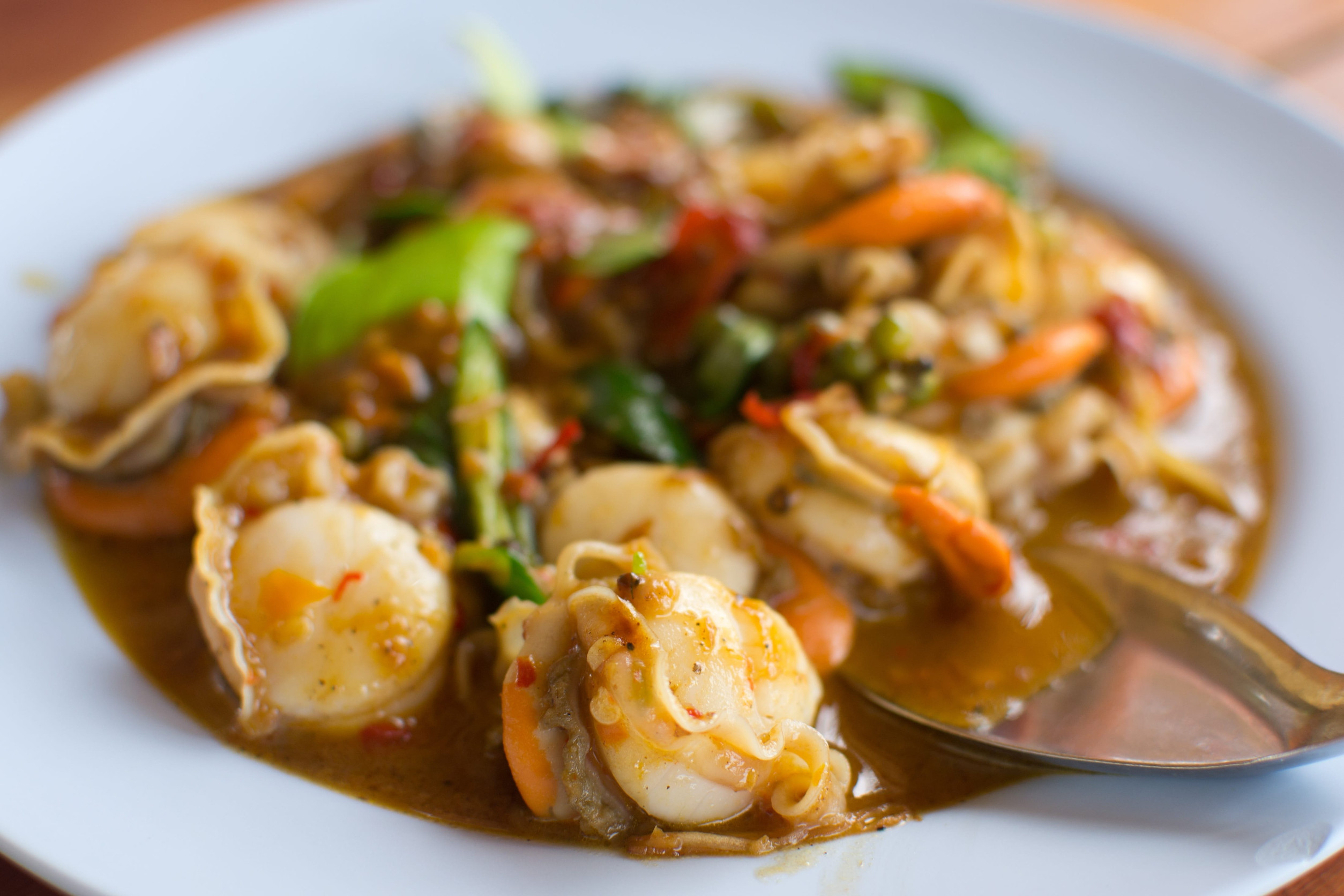
Few seafood dishes look more impressive than beautifully seared scallops with golden crusts and tender centers.
However, not all scallops behave the same way in a hot pan.
Maine Sea Grant explains that some scallops are treated with sodium tripolyphosphate, which helps them retain additional water. These are commonly called wet scallops, while untreated ones are called dry scallops.
That extra moisture can make browning harder because the water must evaporate before a substantial crust forms.
This doesn’t mean wet scallops are impossible to cook successfully. A skilled chef can still produce a satisfying dish.
For diners, the important details are tenderness, natural seafood flavor, and a well-developed sear. And remember, you can freeze-dry scallops, too. Frozen doesn’t automatically mean inferior.
Simply Seared Ribeye Steak
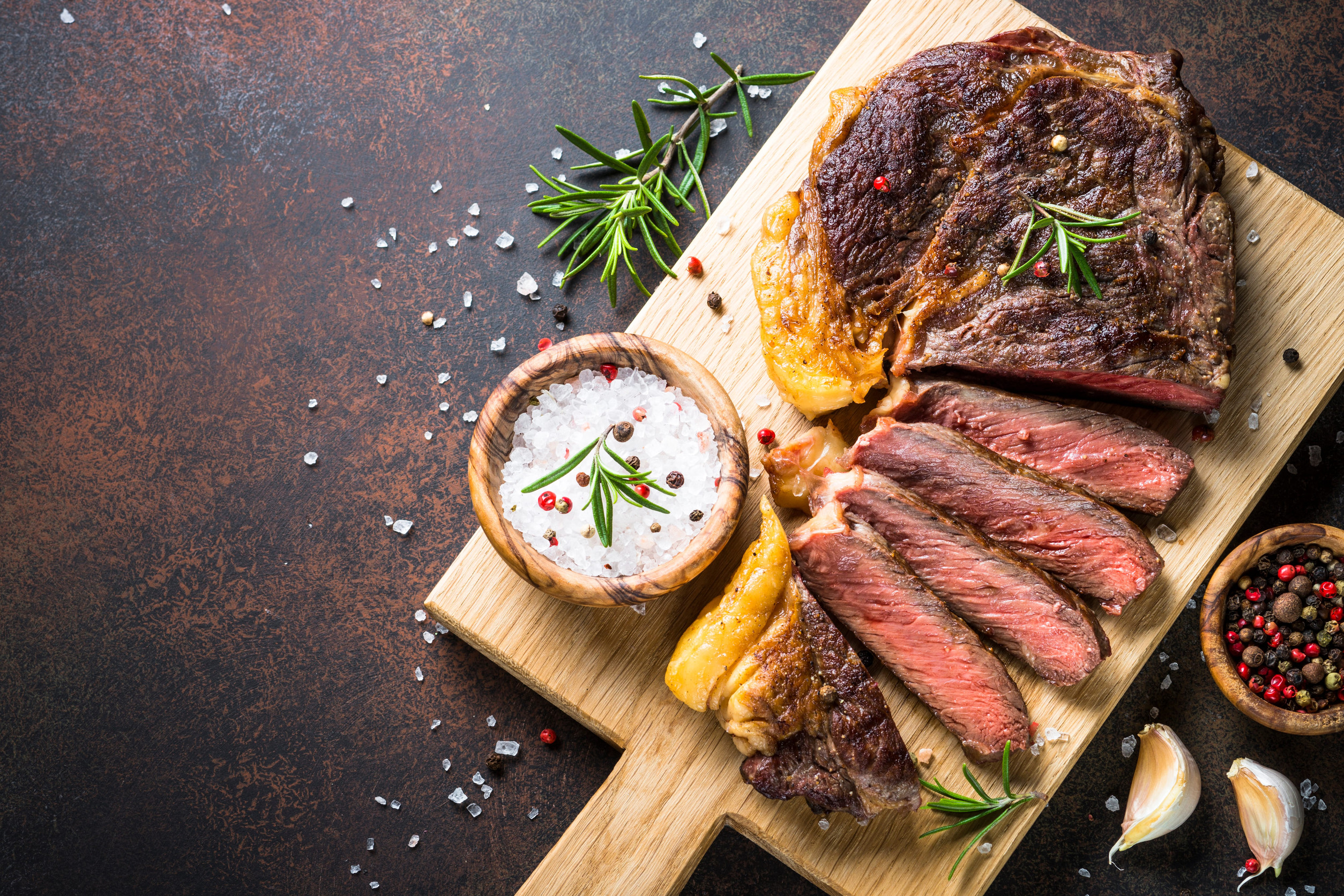
A beautifully cooked ribeye can make a steakhouse dinner feel worth every dollar.
Part of its appeal comes from marbling, the small streaks of fat running through the meat. These contribute to the steak’s flavor and eating experience.
The USDA uses marbling as a key factor in determining beef quality grades. Prime generally has more marbling than Choice, while Select typically contains less.
But here’s where things get interesting.
A well-prepared Choice steak can still be excellent. Proper seasoning, controlled heat, and careful cooking can make a substantial difference.
Cooking can’t change the steak’s original marbling.
When ordering ribeye, pay attention to tenderness, juiciness, crust, and whether the kitchen delivers your preferred doneness. Those details say more about your dinner than an impressive menu description alone.
New England Lobster Rolls
A lobster roll sounds wonderfully simple. Take tender lobster meat, add a little mayonnaise or butter, and tuck everything into a toasted bun.
Yet that simplicity makes the lobster difficult to overlook.
A properly prepared roll should showcase recognizable pieces of lobster rather than burying them under excessive dressing.
Cooking also matters enormously. Lobster that spends too long in the pot can become tough, regardless of how much the restaurant paid for it.
And don’t assume that a roll filled with tail meat is automatically superior. Claw and knuckle meat are genuine lobster and can provide excellent flavor and texture.
The best question is whether the sandwich lets you enjoy the lobster itself.
Tuna Sashimi
Tuna sashimi is practically the ultimate test of a restaurant’s ingredients and handling.
No crispy batter, creamy sauce, or complicated cooking process distracts from the fish.
Instead, diners experience the tuna’s texture, moisture, flavor, and preparation almost directly.
Seafood specialist Yuji Haraguchi emphasized the importance of handling in an interview with Serious Eats. How fish is treated as it moves toward the customer can be just as important as freshness.
One detail worth knowing is that “sushi-grade” isn’t an official national quality grade comparable to USDA beef grading.
Proper freezing can also be part of seafood safety controls, rather than evidence of poor quality.
Appearance and taste alone cannot establish fish safety or authenticate its species. Choosing a reputable restaurant with appropriate seafood-handling practices matters.
Related: Stop Adding These 7 Foods to Your Plate at Any Chinese Buffet
Raw Oysters on the Half Shell
Oysters are fascinating because two oysters of the same species can taste noticeably different depending on where they’re grown.
According to NOAA Fisheries, growing conditions such as salinity, temperature, and available food influence their flavor.
Some oysters taste especially briny. Others have a sweeter or more delicate character.
Neither style is automatically better, and a higher price doesn’t guarantee a more enjoyable oyster.
If you’re exploring an oyster bar, consider trying several varieties before adding strong condiments. It’s a great way to notice the differences.
One important caution: appearance, smell, and taste can’t tell you whether raw oysters are safe. The CDC also warns that lemon juice and hot sauce do not kill harmful Vibrio bacteria.
Related:A Fall Weekend Full of Music, Food and Family Activities Is Bringing a Maryland Community Together
Crispy Skin-On Salmon
A simple salmon fillet can reveal plenty about both the fish and the person cooking it.
Different salmon species have naturally different flavors, textures, and fat characteristics.
NOAA describes Atlantic salmon as rich and buttery, while sockeye has a distinctive flavor and naturally deep red flesh.
But more expensive doesn’t necessarily mean better.
Farmed Atlantic salmon is a legitimate choice, and properly handled frozen salmon can make a delicious restaurant meal.
The cooking technique is equally important. Crispy skin, moist flesh, and careful heat management help bring out the fish’s qualities.
When salmon arrives covered in heavy glaze, it’s harder to appreciate those details. A simply seasoned fillet puts them front and center.
The Bottom Line
The most expensive ingredient on a restaurant menu isn’t necessarily the best one.
What really matters is whether the restaurant chooses ingredients suited to the dish, handles them properly, and prepares them with care.
A great crab cake needs recognizable crab. A memorable Caprese salad depends on ripe tomatoes. An excellent ribeye also needs good meat and thoughtful cooking.
So the next time you’re deciding what to order, don’t focus only on the price tag or fancy menu language.
Sometimes, the simplest dishes tell you the most about what a restaurant does well.
Other Posts You May Like
- 7 Restaurant Habits That Reveal Your Dining Experience and Social Confidence
- Mastering 10 Essential Cooking Techniques for Restaurant-Quality Results