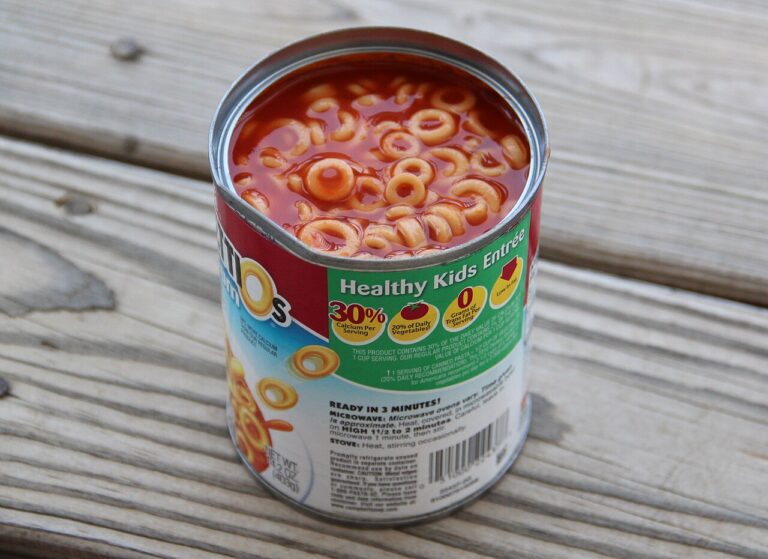
A well-stocked pantry can feel like a small victory. Cans of tomatoes wait patiently for pasta night, peaches promise an easy dessert, and tuna stands ready when dinner plans fall apart. But many home cooks overlook one detail: not every canned food follows the same storage timeline.
According to the U.S. Department of Agriculture, high-acid canned foods generally retain their best quality for 12 to 18 months, while many low-acid products have a recommended window of two to five years.
Those numbers concern quality, not automatic expiration dates. Properly stored, unopened cans may remain usable beyond their printed best-by dates.
The bigger surprise often comes after you open a can, when storage expectations shift from months or years to just days. Here are nine canned foods with storage rules worth understanding before your next pantry cleanup.
Canned Tomatoes: The Pantry Staple With a Shorter Quality Window
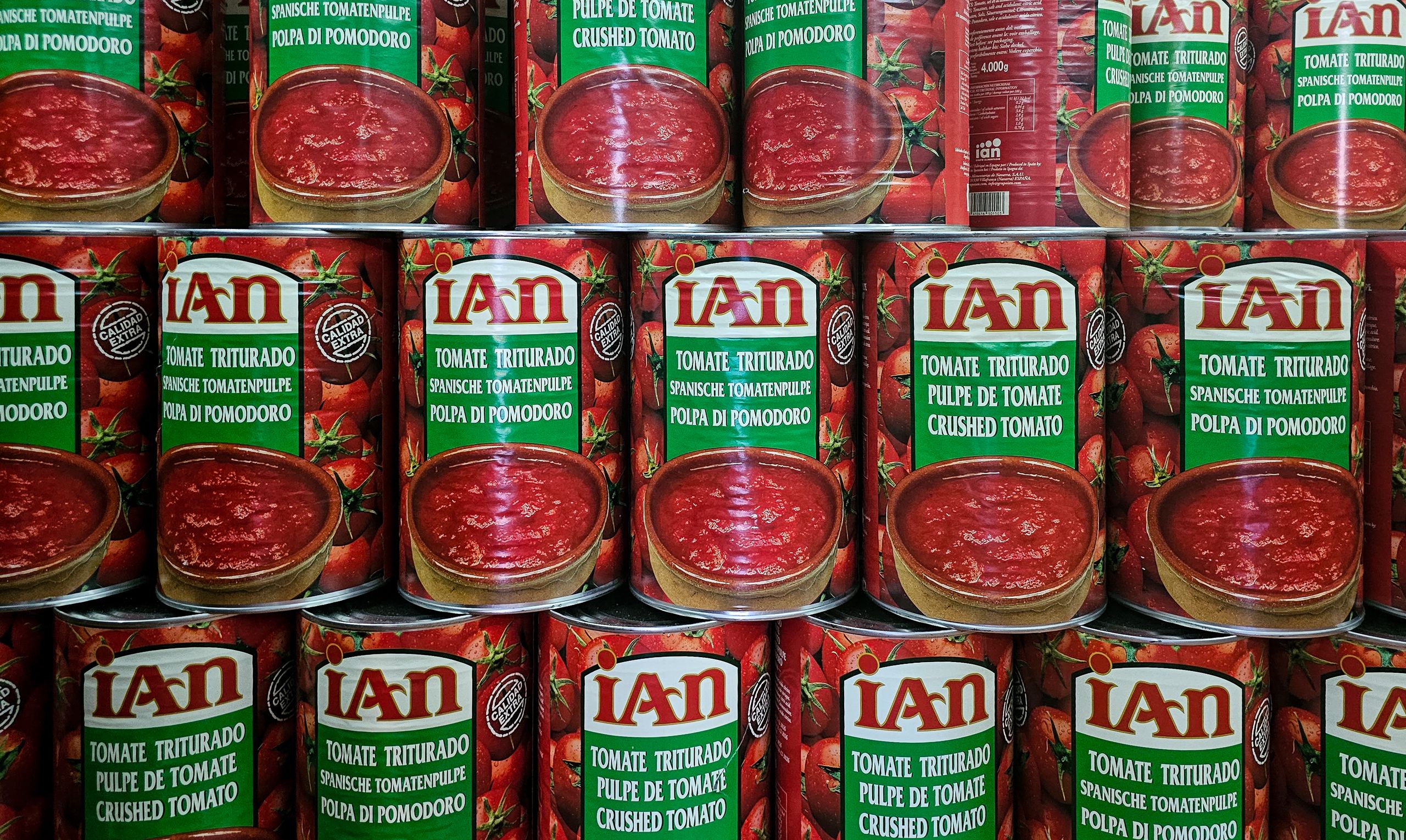
Canned tomatoes are among those dependable ingredients that can turn an ordinary evening into pasta night. But they don’t share the same recommended pantry timeline as canned beans or vegetables.
The USDA classifies tomatoes as high-acid canned foods, with a general best-quality storage period of 12 to 18 months. Once opened, the recommended refrigerated storage window becomes five to seven days.
That doesn’t mean a properly stored can suddenly becomes unusable after 18 months. It means flavor and texture may gradually change. For frequent tomato-sauce makers, rotating older cans toward the front of the cupboard is a practical habit.
Canned Pineapple: A Sweet Treat That Deserves Timely Use
Pineapple can bring a little sunshine to the kitchen, even when fresh fruit isn’t available. However, its bright acidity places it in the same USDA storage category as canned tomatoes.
Unopened canned pineapple has a recommended best-quality window of 12 to 18 months when stored under suitable conditions. After opening, USDA guidance generally recommends refrigerating it for five to seven days. That makes it worth checking how much pineapple a recipe actually needs before opening a large can.
If you’re saving the remainder for another dessert, refrigerate it promptly and plan to use it within the recommended period.
Canned Grapefruit: Another Fruit With a Shorter Pantry Timeline
Canned grapefruit might seem like something that can sit quietly in the cupboard for years. Yet the USDA specifically identifies grapefruit as a high-acid canned food. Like pineapple and tomatoes, its general best-quality window is 12 to 18 months. After opening, refrigerated leftovers generally last about five to seven days.
The important detail isn’t that grapefruit has an unusually short shelf life compared with every other canned fruit. Acidic products fall into a different storage category than canned meats and most vegetables.
Keep the printed date visible when organizing your pantry so older purchases don’t disappear behind newer cans.
Canned Peaches: Sweetness Doesn’t Determine the Storage Category
Peaches taste sweet, which might make their inclusion among high-acid canned foods seem surprising. But the USDA doesn’t determine canned-food storage categories by sweetness. Its published guidance places canned peaches among products with a recommended best-quality window of 12 to 18 months.
Once opened, the general refrigerated storage recommendation is five to seven days. This distinction matters when you’re stocking fruit for future desserts or everyday meals.
Rather than assuming every canned product belongs in the cupboard for five years, check the food category and the manufacturer’s label. A little pantry rotation can help you enjoy those peaches while their texture and flavor are at their best.
Canned Fruit Juices: The Unopened Can and Opened Can Are Different Stories
Canned fruit juice offers another example of why the word canned doesn’t tell the entire storage story. The USDA classifies shelf-stable canned fruit juices as high-acid products and generally recommends 12 to 18 months of unopened shelf life.
After opening, the USDA recommends refrigerating it for five to seven days. That guidance applies to shelf-stable canned products, not automatically to every refrigerated juice or packaged beverage.
Before storing a newly purchased product, check whether its label requires refrigeration. Once the container is opened, don’t rely on the original unopened best-by date to decide how long to keep the remaining juice.
Related: Tomato and White Bean Stew is a comforting way to use those canned tomatoes.
Canned Sauerkraut: A Tangy Favorite With Its Own Timeline
Sauerkraut’s distinctive tang is part of its appeal, but that acidity also places shelf-stable canned sauerkraut in the USDA’s high-acid category.
The general recommended window for best unopened quality is 12 to 18 months. Once opened, the USDA recommends refrigerating and using the remaining sauerkraut within five to seven days. Distinguish commercially canned sauerkraut from refrigerated fermented products.
They may look similar on a shopping list, but their storage instructions aren’t necessarily interchangeable. If your refrigerator contains a specially packaged fermented product, follow its label rather than automatically applying canned-food guidance.
Canned Tuna: Long Pantry Life, Much Shorter After Opening
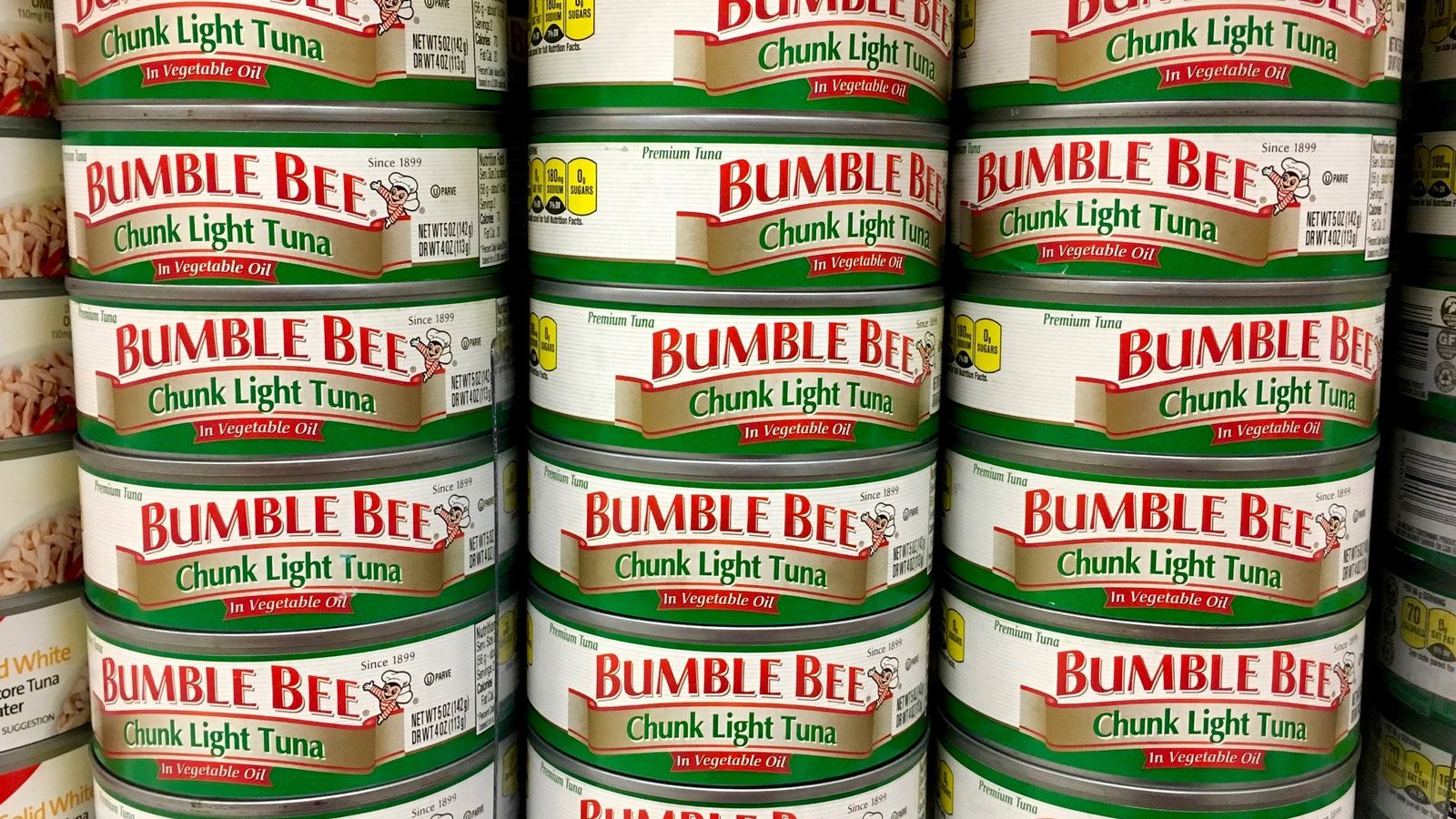
Canned tuna tells a different story from the first six foods. The USDA places commercially canned fish in its low-acid category, which generally has a best-quality pantry window of two to five years. That’s considerably longer than the recommended window for high-acid canned fruits and tomatoes.
The surprising part comes after opening. According to USDA’s opened-can guidance, refrigerate leftover canned fish and use it within three to four days. That makes package size worth considering.
If you’re making a tuna sandwich for one person, choose a can that fits the meal to reduce what you need to store afterward.
Sweetened Condensed Milk: The Manufacturer’s Advice Matters
Sweetened condensed milk brings rich sweetness to desserts, but an opened can shouldn’t be treated like an unopened pantry ingredient.
Eagle Brand’s official FAQ says its unopened sweetened condensed milk lasts about two years when stored in a cool, dry place. The company recommends checking the best-if-used-by date printed on the can.
Once opened, however, Eagle Brand advises transferring leftovers to an airtight container, refrigerating them, and using them within three to four days. That is much shorter than the two- or three-week estimates sometimes repeated online.
These are instructions for Eagle Brand’s product. Other manufacturers may provide different guidance, so the package label is still important.
Canned Ham: Some Varieties Never Belong in the Pantry
Perhaps the biggest surprise on this list is canned ham. You might assume a metal can automatically means a product can remain unopened on a pantry shelf. But the USDA distinguishes shelf-stable canned ham from versions labeled “Keep Refrigerated.”
Shelf-stable canned ham generally has a recommended storage window of two to five years. Refrigerated canned ham, however, must remain refrigerated even before opening. USDA guidance gives that product an unopened refrigerated storage period of six to nine months.
After opening, the recommended refrigerated window is three to four days. The lesson is straightforward: the packaging material doesn’t determine the storage instructions. The specific product label does.
The Best Pantry Habit Is Knowing What You Have
Canned food remains one of the kitchen’s most useful conveniences, but keeping it well requires more than stacking cans neatly.
USDA guidance recommends storing shelf-stable canned products in a cool, dry place, preferably below 85°F and away from temperature extremes. Leaking, bulging, heavily rusted, or badly damaged cans should not be used. Remember that a best-by date generally reflects quality, not an automatic discard deadline.
For high-acid canned foods, think 12 to 18 months for best quality. For most low-acid canned foods, the general recommendation is two to five years. Once opened, follow the shorter refrigerated storage guidance.
A well-managed pantry isn’t about keeping food forever. It’s about enjoying what you’ve purchased while its flavor, texture, and convenience are still at their best.