Imagine walking into Walmart to buy milk, bread, and a few groceries, only to wonder whether the shelf price could change before you reach the checkout. That concern is growing as major retailers increasingly adopt technology to manage their stores. In a report published on October 18, 2026, the Associated Press examined growing consumer anxiety about artificial intelligence and how businesses set prices. Walmart has joined the conversation, but the company insists its digital labels are designed to improve pricing accuracy, not charge individual shoppers more.
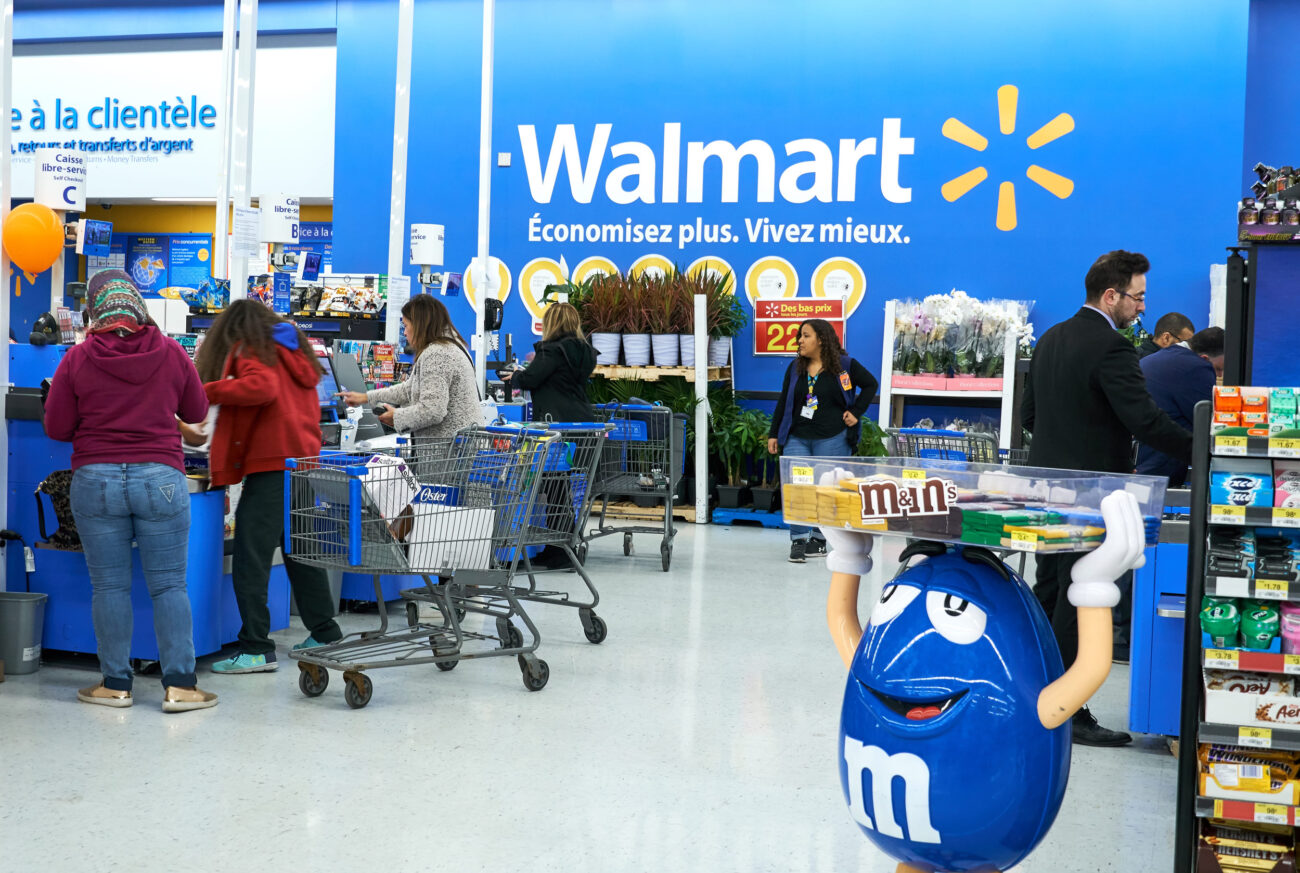
Why Walmart’s Digital Price Tags Are Making Headlines
A small electronic screen on a shelf has become a surprisingly big topic for shoppers worried about grocery bills.
Traditional paper labels must be replaced whenever a product’s price changes. Digital shelf labels let retailers update prices electronically, reducing the time employees spend walking aisles to replace tags.
Walmart says the technology helps associates keep shelf prices accurate and gives them more time to assist customers. The company also says digital labels can support inventory tasks, helping employees locate products that need restocking and items required for online orders.
However, the ability to update prices electronically has raised questions about how retailers might use the technology in the future. As shoppers feel pressure from everyday expenses, even the possibility of less predictable pricing can breed suspicion.
Is Walmart Planning to Charge Different Shoppers Different Prices?
The biggest concern is whether two people could pay different amounts for the same product simply because they are different customers.
Personalized pricing, sometimes called surveillance pricing, uses information about individual customers to determine what prices they see. Depending on the system, that information could include browsing behavior, location, purchasing history, or other consumer data.
Walmart has directly addressed these fears. In a statement published on October 5, the retailer said it does not use and will not use personal information such as income, shopping history, urgency, or willingness to pay to set individual prices. It also says its digital shelf labels do not independently determine prices.
That distinction matters. Digital labels make it easier to update displayed prices, but the technology itself does not prove that a retailer is charging different customers different amounts.
What Walmart Says the Technology Actually Does
According to Walmart, the purpose is to speed up pricing updates while keeping prices consistent for shoppers.
The retailer says digital shelf labels replace paper tags and display prices approved through its existing pricing system. Employees can update labels electronically rather than manually changing thousands of individual tags.
Walmart also says the labels operate without cameras, microphones, or facial recognition. According to its explanation, they do not track customers or collect personal information.
You can read the company’s explanation on its official digital shelf labels page. The retailer argues that the technology modernizes how prices are displayed rather than changing the principles used to set them.
For shoppers, the practical benefit should be straightforward: the price displayed beside an item should accurately reflect the price charged at checkout.
Why Consumers Remain Suspicious
When grocery prices already feel high, shoppers want reassurance that technology will not make shopping even more expensive.
Digital price tags are arriving amid broader concerns about affordability and artificial intelligence. Consumers are encountering algorithmic tools across shopping, travel, entertainment, and other services, sometimes without knowing exactly how those systems influence their choices.
The Associated Press reported on October 18 that concerns about AI-assisted pricing are spreading as retailers adopt new technologies. The report also highlighted the growing regulatory attention surrounding personalized pricing and the use of consumer information.
Part of the problem is the gap between what technology can theoretically enable and what a company actually does. Digital labels can make price changes easier to implement, but that capability alone does not prove a retailer is changing prices based on an individual shopper’s identity.
Clear explanations and transparent pricing policies will be essential if retailers want customers to trust these systems.
Could Digital Price Tags Help Shoppers Instead?
The technology could make grocery shopping more convenient if retailers use it to improve accuracy and efficiency.
Paper labels can become outdated when promotions begin, products are marked down, or prices change. Digital labels can reduce the time needed to update shelf displays and may help prevent discrepancies between displayed prices and checkout totals.
The system can also help employees locate specific products faster through features that use lights on shelf labels. That can be useful when restocking shelves or collecting items for pickup and delivery orders.
These benefits do not automatically mean every shopper will save money. The value depends on how retailers manage prices, promotions, and the technology itself. Still, improving price accuracy is a worthwhile goal, particularly for people trying to keep grocery spending under control.
What Walmart Shoppers Should Do Now
You don’t need to panic about digital labels, but it is sensible to stay an informed shopper.
Start by checking the displayed price before placing an item in your cart. At checkout, review your receipt and compare the amount charged with the price you expected to pay. If something does not match, ask an employee to investigate the discrepancy.
Also compare unit prices, check promotional conditions, and review your receipt before leaving the store. These habits help you spot common pricing errors and make better purchasing decisions, whether a shelf uses paper or an electronic screen.
Most importantly, distinguish verified company policies from viral claims. A photograph of a digital price tag or a social media post suggesting prices are personalized is not, by itself, evidence that Walmart charges shoppers differently based on their identities.
What Happens Next?
The real test will be whether retailers can convince shoppers that new technology serves customers as well as businesses.
Walmart says its digital price labels are meant to improve efficiency and keep prices consistent, while consumers and regulators continue examining the broader implications of AI-assisted retail tools. The debate is unlikely to disappear as more businesses introduce technology that can influence how products are priced and promoted.
For shoppers, the essential questions remain simple: Is the price clear? Is it accurate? And can customers trust that the same rules apply fairly?
As digital technology becomes more central to everyday shopping, transparency will matter as much as convenience.
What do you think about Walmart’s digital price tags? Do you see them as a helpful way to keep prices accurate, or do you worry that retailers could eventually use the technology to make shopping more expensive?