Ever notice how yesterday’s dinner sometimes tastes even better straight from the refrigerator the next afternoon?
You spend an hour preparing a delicious meal, sit down to enjoy it, and think it tastes pretty good. Then you reheat the leftovers the next day, take one bite, and wonder why you did not make a bigger batch. The flavors seem deeper, the sauce tastes richer, and everything somehow comes together more beautifully.
Some foods improve after resting. As ingredients sit together, their flavors can mingle, seasonings spread through sauces, and certain textures become more appealing. Not every dish benefits from an overnight stay in the refrigerator, but these ten favorites often make excellent next-day meals.
Chili
A pot of chili can go from delicious to downright irresistible after a night of rest.
Whether you make yours with ground beef, beans, tomatoes, or a combination of vegetables, chili contains ingredients that benefit from having time to mingle. The spices integrate more with the tomato base, while beans and meat absorb surrounding flavors.
That first bowl might have a noticeable kick from chili powder or cayenne. By the next day, the heat may feel more balanced, letting the smoky, savory, and slightly sweet notes shine.
For the best results, refrigerate the chili promptly and reheat only the portion you plan to eat. Serve with fresh toppings like chopped onions, shredded cheese, sour cream, or a squeeze of lime to add a little brightness.
Lasagna
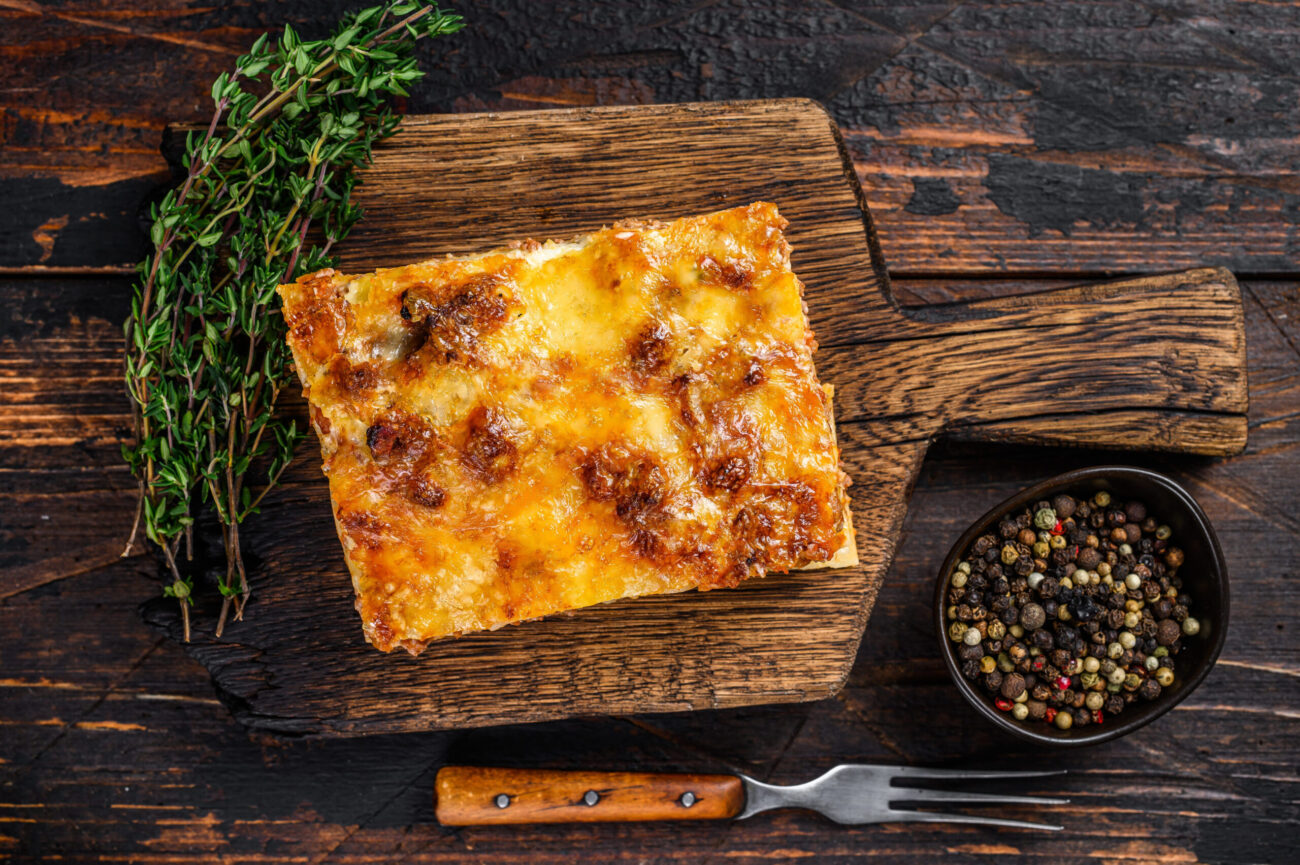
Few leftovers are as satisfying as a generous square of lasagna reheated the next day.
Freshly baked lasagna can be wonderfully gooey, but slicing it straight from the oven often leaves the layers sliding apart. After chilling, the pasta, sauce, cheese, and filling settle into a firmer structure, making it much easier to serve.
The flavors also have time to mingle. Tomato sauce, herbs, seasoned meat, and creamy cheese blend into a more harmonious flavor, giving each slice a well-rounded taste.
When reheating, cover the lasagna to help prevent it from drying out. Add a small splash of water or extra sauce if needed, then uncover it near the end if you want the cheese on top to become lightly golden again.
Beef Stew
That humble pot of stew can become even more comforting after spending a night in the fridge.
Slow-cooked beef stew is packed with ingredients that work beautifully together. Beef, carrots, onions, potatoes, herbs, and broth develop flavor gradually during cooking, and resting lets the seasonings distribute throughout the dish.
If you use suitable cuts of beef, the long cooking process helps soften connective tissue and produce a rich, satisfying texture. Once chilled, the broth may also thicken slightly as its gelatin sets.
The next day, warm the stew gently on the stovetop, stirring occasionally. If it has become too thick, add a little broth or water to bring it back to your preferred consistency.
Spaghetti Bolognese
A good meat sauce deserves more than one night at the dinner table.
Bolognese sauce combines tomatoes, meat, onions, carrots, celery, and seasonings into a rich mixture that develops character during slow cooking. After resting, the sauce can taste more cohesive because the ingredients have more time to meld.
You may also find that the sauce clings beautifully to freshly cooked pasta when you combine them in a pan with a splash of pasta water. That simple step helps create a silky coating instead of leaving the sauce sitting at the bottom of the bowl.
For the best texture, store the sauce separately from the pasta when possible. Cook fresh pasta the next day, warm the sauce, and combine everything just before serving.
Related: 8 Budget Meals That Make Takeout Look Overrated
Curry
Sometimes, the secret to a more satisfying curry is simply letting it rest.
Many curries mix aromatic spices with onions, garlic, ginger, tomatoes, coconut milk, or yogurt. As the dish rests, its flavors can integrate, making the sauce taste fuller and more balanced.
This works with many curry styles, from tomato-based chicken dishes to lentil and vegetable curries. However, the results depend on the recipe. Fresh herbs, citrus, and delicate ingredients may lose some brightness if you add them too early.
When reheating, warm the curry gently and stir it well. Add fresh coriander, a squeeze of lemon, or a little yogurt just before serving to restore some freshness.
Homemade Soup
A bowl of soup can taste as though the ingredients have finally learned to get along.
Soups containing beans, vegetables, meat, or hearty broths are particularly good candidates for next-day enjoyment. During storage, dissolved flavor compounds can move between the broth and solid ingredients, helping the overall taste become more balanced.
This is one reason a vegetable soup that tastes pleasant on Monday can feel especially comforting on Tuesday. The ingredients have had time to share their flavors, and reheating releases the aromas that make the dish so inviting.
For more insight into this kitchen phenomenon, explore why soup often tastes better the next day.
One useful trick is to cook pasta separately if you plan to add it to soup later. That prevents it from soaking up too much broth and becoming mushy overnight.
Meatloaf
Cold meatloaf might not sound exciting, but a properly reheated slice can be surprisingly delicious.
Meatloaf often contains ground meat, onions, herbs, seasonings, breadcrumbs, and a flavorful glaze. After chilling, the loaf firms up, making it easier to slice neatly without crumbling.
The seasoning can also seem more evenly distributed the next day. For a comforting lunch, place a thick slice between two pieces of toasted bread with mustard, lettuce, and a little mayonnaise.
You can also serve reheated meatloaf with mashed potatoes and vegetables for another complete dinner. Cover it while warming to help preserve moisture, and don’t heat it longer than necessary.
Enchiladas
That pan of cheesy enchiladas can be just as tempting the second time around.
Enchiladas combine tortillas, filling, sauce, and cheese in a dish where each component contributes something different. As the assembled meal rests, the tortillas absorb some of the sauce, while the filling and seasonings settle together.
The result can be a more unified bite, especially in recipes with a generous tomato, chili, or enchilada sauce. The texture may soften, which some people love, but anyone who prefers firmer tortillas may want to add fresh toppings for contrast.
Reheat the enchiladas in the oven, covered. Remove the cover toward the end to warm the cheese and restore a little color to the top.
Stuffed Peppers
Stuffed peppers can become even more flavorful after the filling has rested.
Stuffed peppers often combine rice, ground meat or beans, tomatoes, onions, herbs, and cheese. As the ingredients sit together, the filling absorbs flavor from the surrounding sauce and seasonings.
The pepper itself also becomes tender during cooking, creating a satisfying contrast with the savory filling. The next day, the flavors may blend more evenly, especially in recipes with tomato sauce.
Store the peppers in a covered container and reheat until fully hot. If the filling looks dry, add a spoonful of tomato sauce before warming.
Homemade Pizza
Even leftover pizza has a special place in the next-day food hall of fame.
Pizza is a little different from chili or stew because its flavors do not necessarily improve dramatically overnight. However, the chilled cheese, seasoned sauce, and toppings can still make for a satisfying second meal, especially when the crust is reheated properly.
The real secret is avoiding a soggy slice. Place the pizza in a skillet over medium-low heat, cover it briefly to warm the toppings, and let the bottom crisp. You can also use an oven or air fryer to bring back some of the crust’s original texture.
The Secret to Better Leftovers
A little patience can improve some meals, but proper storage matters more than any flavor trick.
Foods such as chili, beef stew, curry, soup, and meat sauces often benefit from resting because their ingredients have time to exchange flavors. Chilling can also make lasagna and enchiladas easier to portion and more cohesive.
Not every food improves overnight. Crispy fries may become limp, fresh salads can wilt, and pasta may absorb too much sauce. Sometimes, the best approach is to store components separately and assemble the meal when you are ready to eat.
Food safety is essential, too. The USDA recommends refrigerating leftovers within two hours of cooking, storing them in shallow containers to cool faster, using most cooked leftovers within three to four days, and reheating them to 165°F (74°C). Check the USDA’s official leftovers and food safety guidance for more details.
Ultimately, leftovers are not just a way to save money. They can give you another delicious meal, reduce food waste, and make tomorrow’s dinner much easier.
Now tell us: which leftover tastes better the next day, chili, lasagna, curry, beef stew, or something else entirely?