A sandwich that wasn’t quite a foot long. A breakfast cereal accused of having no real fruit. A cup of iced coffee that apparently contained too much ice. These sound like complaints you might hear at the dinner table, but they actually made their way into American courtrooms.
Over the years, some of America’s biggest food brands have faced lawsuits over everything from product names to advertising promises. Some cases ended in multimillion-dollar settlements, while others were dismissed by judges who weren’t convinced. Behind the strange headlines, however, were real questions about consumer rights, misleading marketing, and what companies can reasonably promise their customers.
Here are eight unusual food lawsuits that prove even an ordinary grocery purchase can become a legal battle.
Subway Was Sued Because Its Footlong Sandwiches Were Too Short
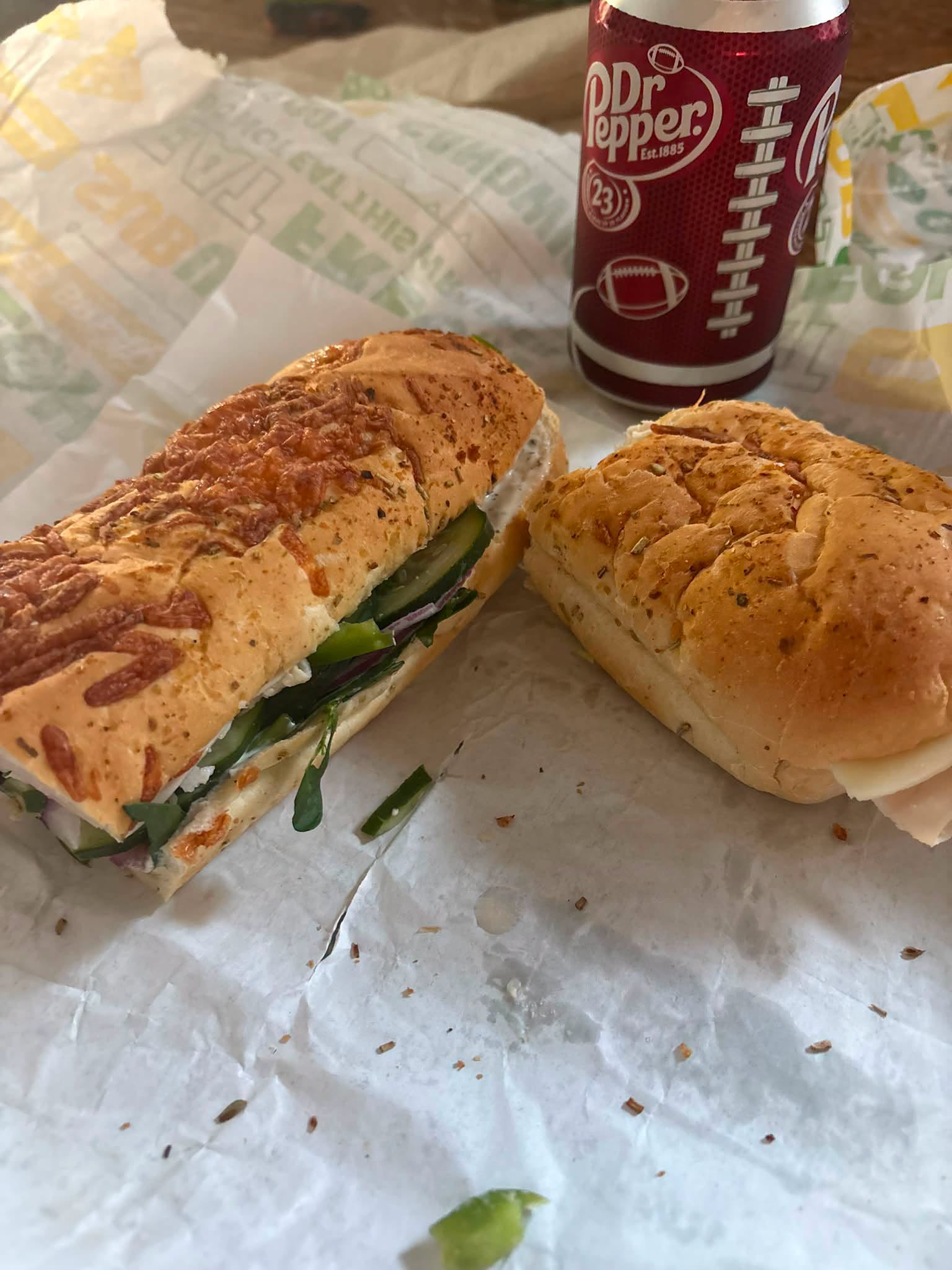
When you order a footlong sandwich, you probably expect 12 inches of bread. That simple expectation became the center of a legal dispute involving Subway.
In 2013, customers filed lawsuits after complaints surfaced that some of the chain’s advertised footlong sandwiches measured less than 12 inches. The controversy raised questions about whether Subway was misleading people about what they were buying.
The company argued that differences in the bread-baking process could affect the final length. The company said it standardized the amount of meat and cheese, regardless of minor variations in bread size.
A proposed settlement included measures to improve sandwich-length consistency and legal fees of up to $525,000.
However, in 2017, a federal appeals court rejected the settlement, concluding that it offered customers no meaningful benefit.
The case reminded everyone that even a missing fraction of an inch can generate enormous attention when a popular food brand is involved.
Red Bull Faced a $13 Million Lawsuit Over Its Famous Advertising.
Everyone knows the famous Red Bull slogan about getting wings. But in 2013, the energy drink company’s advertising became the subject of a lawsuit.
Despite the amusing headlines, the plaintiffs weren’t claiming they genuinely expected to grow wings.
Instead, they argued that Red Bull had misled consumers about the drink’s ability to improve physical performance, concentration, and reaction time compared with ordinary sources of caffeine.
In 2014, the company agreed to a $13 million settlement without admitting wrongdoing.
Eligible customers could claim $10 in cash or approximately $15 worth of Red Bull products.
Red Bull maintained that its advertising was truthful and said it settled to avoid the expense and distraction of prolonged litigation.
The company’s famous marketing continued, but the dispute showed how even playful advertising can face serious scrutiny when consumers challenge its promises.
Cap’n Crunch Was Taken to Court Because Crunch Berries Weren’t Real Berries
For generations, colorful breakfast cereals have been a familiar sight in American kitchens.
But one California consumer took issue with the name of Cap’n Crunch with Crunch Berries.
In a 2008 lawsuit, the plaintiff argued that the cereal’s name and packaging led her to believe it contained actual berries.
The problem? Crunch Berries were brightly colored cereal pieces, not real fruit.
The court wasn’t persuaded.
In 2009, a federal judge dismissed the case, reasoning that a reasonable consumer wouldn’t mistake the colorful cereal balls for real berries.
The packaging also described the product as sweetened corn and oat cereal.
The lawsuit became one of the more memorable examples of how courts evaluate food advertising claims. It also raised a funny question: Did anyone really expect to find Crunch Berries growing on bushes?
Starbucks Was Sued for Putting Too Much Ice in Iced Coffee
Ice is supposed to be part of an iced coffee. But how much ice is too much?
In 2016, Starbucks faced lawsuits alleging customers received less liquid than advertised because ice took up a substantial portion of its cold beverage cups.
One California lawsuit argued that the company’s advertised drink sizes were misleading because customers weren’t receiving the stated volume entirely as liquid.
Starbucks defended its serving practices, and a federal judge dismissed that particular case in August 2016.
The judge reasoned that consumers understand ice takes up space in a cold beverage.
The court also noted that Starbucks served its cold drinks in transparent cups, letting customers see the contents.
Although the case failed, it generated plenty of discussion about beverage pricing and what customers should expect when ordering expensive coffee.
After all, when you’re paying several dollars for a drink, it’s understandable to care about how much coffee actually makes it into the cup.
Nutella Faced a Multimillion-Dollar Lawsuit Over Breakfast Advertising
Nutella has long been a popular spread for toast, pancakes, and other breakfast favorites.
But its advertising sparked a dispute over how the product was presented to families.
In 2011, consumers challenged Ferrero USA, arguing that Nutella’s marketing gave families a misleading impression that the spread was a healthy breakfast choice.
The lawsuit focused on advertising messages that highlighted ingredients such as hazelnuts and milk without giving consumers a balanced understanding of the product.
In 2012, Ferrero agreed to a $3.05 million settlement, with approximately $2.5 million designated for eligible consumers.
The company also agreed to modify certain advertising statements, labels, and promotional materials.
Some eligible purchasers could claim up to $20 per household.
The case showed how a friendly breakfast commercial could lead to a costly legal dispute when customers believed the message went too far.
Taco Bell Was Sued Over Whether Its Beef Was Really Beef
Few food lawsuits have created as much public discussion about a single ingredient as Taco Bell’s beef controversy.
In January 2011, a class-action lawsuit challenged the restaurant chain’s description of its seasoned beef filling.
The plaintiffs alleged that the mixture contained binders and other ingredients that made the company’s beef labeling misleading.
Taco Bell strongly rejected the allegations.
The chain launched an extensive advertising campaign to defend its ingredients and explain that its seasoned beef mixture contained 88% beef.
The company reportedly spent between $3 million and $4 million responding to the controversy.
By April 2011, the lawsuit had been voluntarily withdrawn.
Taco Bell said no money had changed hands and maintained that its products and advertising were accurate. The plaintiffs’ lawyers said changes to marketing and disclosures had addressed their concerns.
Although the dispute ended without a trial verdict, it revealed how quickly questions about ingredients can become a major challenge for a restaurant’s reputation.
Froot Loops Was Sued Because It Didn’t Contain Real Fruit
Another famous breakfast cereal faced a legal challenge over something many shoppers probably never questioned: its name.
Consumers sued Kellogg’s, arguing that Froot Loops packaging and marketing misled buyers into believing the cereal contained actual fruit.
The colorful rings, fruit-related wording, and familiar cartoon packaging were central to the complaints.
However, federal courts dismissed the claims.
Judges concluded that reasonable consumers wouldn’t assume Froot Loops contained real fruit based on the product’s branding.
The packaging identified it as a sweetened multigrain cereal, rather than a fruit product.
A notable 2009 ruling rejected the argument that the packaging was deceptive.
Like the Crunch Berries dispute, this case highlighted the difference between imaginative brand names and specific factual promises.
Sometimes, a creative spelling is just that, at least in the court’s eyes.
McDonald’s Famous Hot Coffee Lawsuit Was Much More Serious Than People Realized
Perhaps no food-related lawsuit has been discussed, joked about, or misunderstood more than the McDonald’s hot coffee case.
In 1992, Stella Liebeck, a 79-year-old woman, suffered severe burns after spilling McDonald’s coffee onto her lap in New Mexico.
The incident led to a 1994 trial that became a national controversy.
At first glance, some people questioned why a restaurant should be responsible for someone spilling coffee.
But the evidence revealed a more serious situation.
Liebeck suffered third-degree burns and required medical treatment, including skin grafting. Evidence also showed that McDonald’s had received hundreds of earlier complaints involving coffee burns.
A jury awarded $200,000 in compensatory damages, reduced to $160,000 because Liebeck was found partly responsible, along with $2.7 million in punitive damages.
The punitive award was later reduced to $480,000, and the parties reached a confidential settlement.
The case wasn’t simply about hot coffee. It concerned the severity of the injuries and whether the restaurant had adequately addressed a known risk.
What became a punchline for years was actually a serious product liability dispute.
What These Strange Food Lawsuits Tell Us
These eight cases may sound ridiculous at first, but their outcomes reveal something important about consumer protection.
Some complaints were dismissed because judges believed ordinary shoppers could recognize obvious product characteristics. Others resulted in settlements because companies faced challenges over how they advertised their products.
The larger lesson is that food labels, serving sizes, and marketing claims matter. A company’s word choice can shape what customers expect, and sometimes those expectations become legal questions.
So the next time you open a cereal box, order a footlong sandwich, or notice how much ice is in your coffee, remember that someone has probably taken a similar complaint much further than the customer service counter.
Posts You Might Like:
McDonald’s McMuffin Lawsuit in Manhattan Sparks Debate Over Food Safety and Corporate Responsibility