Tipping is often the final step of a restaurant visit, but it can also be the moment when diners and servers see things differently.
Most people want to show appreciation after a good meal, yet some tipping habits that seem harmless to guests can frustrate the people working the floor.
The issue is not always the amount left behind. Many servers say the bigger problems are unclear gestures, tipping choices that affect the entire team, or actions that make the final part of the meal more complicated than it needs to be.
These habits are based on server-reported experiences and etiquette discussions, not a guarantee that every person who does them intends to be rude.
Leaving No Tip After Full Table Service

Walking away from a full-service restaurant without leaving any gratuity is one of the tipping habits servers most often mention as frustrating.
For many restaurant workers, tips make up an important part of their earnings, so leaving nothing behind can feel less like feedback and more like a complete dismissal of their effort.
If a meal genuinely went badly, many servers would rather hear about the problem while there is still time to address it.
Speaking with a manager or explaining what went wrong gives the restaurant a chance to respond instead of leaving the server guessing why the tip disappeared.
Leaving a Very Small Tip for Normal Service
Many servers say leaving 5% or 10% after an ordinary dining experience feels unfair.
In many U.S. restaurants, diners commonly consider 15–20% of the pre-tax bill standard for full-service dining, with 20% often seen as the expected amount for good service.
Of course, tipping expectations are not identical everywhere. Restaurant type, location, personal finances, and the quality of service all influence what someone chooses to leave, but servers often say a very small tip should usually reflect a real service issue rather than being the default.
Calculating the Tip Only on the Discounted Total
Some servers say that using a coupon, gift card, loyalty discount, or promotion and then tipping only on the lower final amount causes frustration. They argue that the work involved in serving the table didn’t decrease just because the bill was reduced.
For example, if a meal originally costs $100 but a discount brings it down to $70, some diners calculate the tip from $70 while others believe the service should be recognized based on the original value.
This remains an etiquette debate, but many servers prefer customers to consider the full experience they received.
Leaving Coins Instead of Bills
Leaving a pile of coins as the entire tip can send the wrong message, even when the amount technically adds up.
Servers often point out that loose change is heavier, harder to manage, and can feel dismissive compared with a more practical form of payment.
This does not mean coins are always a problem. Adding a few coins to a cash tip is very different from leaving only pennies, nickels, and dimes after a full meal.
Replacing a Tip With a Note or Compliment
Writing “great service” on a receipt or leaving a kind message instead of money may seem thoughtful, but many servers say compliments cannot replace gratuity. A kind word is appreciated, but it does not cover the practical value of a tip.
The best version of this gesture is simple: leave the compliment and the tip. A thank-you note can make a server’s day, but it works best when it comes alongside the expected gratuity, not in place of it.
Related: 8 Things You Do at Restaurants That Servers Say Make Their Job Harder
Using the Tip to “Send a Message”
Leaving little or no tip because of a small mistake without explaining the problem is another habit servers say creates tension.
A forgotten refill, delayed item, or minor error may be frustrating, but silently reducing the tip does not tell the server what needs improvement.
Servers also note that tips may be shared with other restaurant workers, including bussers, bartenders, and support staff. A smaller tip can affect people who weren’t involved in the mistake.
Splitting the Check Without Coordinating the Tip
Splitting a bill while everyone handles their own tip separately can create unexpected problems. When several diners calculate tips individually, the final gratuity may end up much lower than the table intended.
A quick conversation before paying can prevent confusion. Agreeing on whether everyone will contribute to one shared tip or carefully splitting payments helps ensure the server receives the amount the group intended to leave.
Assuming Every Tip Goes Directly to the Server
Tipping less because you believe the server keeps every dollar is another misunderstanding that can affect restaurant workers. Many restaurants use tip-sharing systems where gratuities may be divided among bartenders, bussers, food runners, or other employees.
Rules vary from restaurant to restaurant, so no single system applies everywhere. However, servers often remind diners that a smaller tip can affect an entire team, not just the person who delivered the food.
Skipping the Tip on Small Orders
Some servers say guests underestimate the impact of leaving nothing when you only order coffee, dessert, or a small item.
A smaller bill does not always mean less effort, since the server may still take the order, bring items, answer questions, and process payment.
Some diners feel tipping should match the size of the purchase, while others believe the service involved should also be considered. This debate is especially strong when the bill is small, but the interaction still requires the same attention.
Treating Takeout as Automatically Tip-Free
Assuming takeout orders never deserve a tip remains one of the most debated questions in restaurant etiquette. Unlike traditional table service, pickup orders involve less interaction, which is why many customers view tipping differently.
Servers who support tipping on takeout point out that employees may still organize orders, check details, handle packaging, and manage the pickup process. At the same time, takeout tipping expectations remain less settled than sit-down dining.
Leaving an Unclear Cash Tip
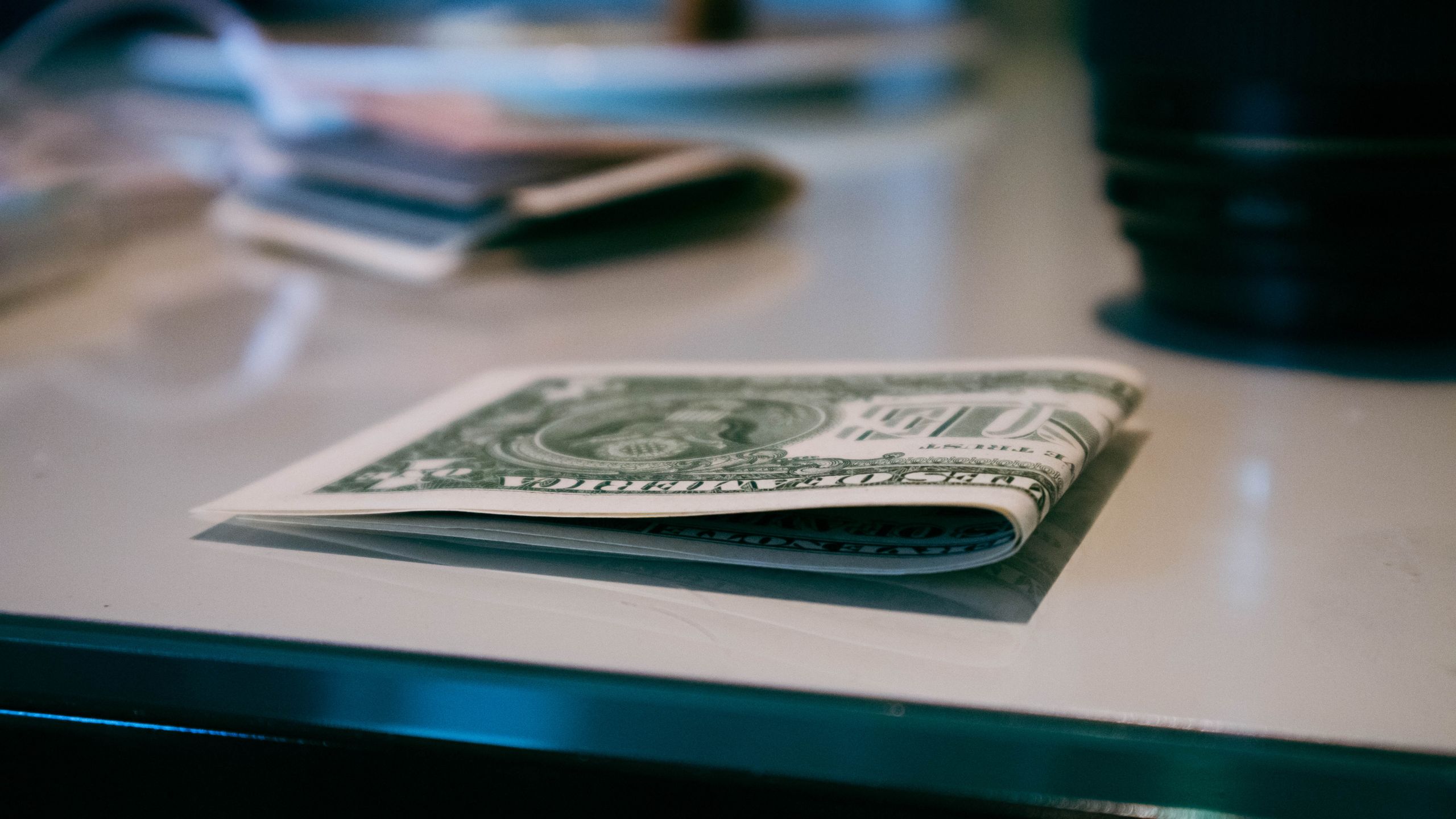
Dropping money on the table without making it clear whether it is payment, change, or gratuity can create unnecessary confusion. Servers may have to guess whether the cash is meant for them or if the customer simply forgot something.
A simple phrase such as “keep the change” or clearly writing the tip amount on a receipt removes the uncertainty. Clear communication makes the final moment of a meal easier for everyone.
Turning the Table Into a Debate About Tipping Culture
Arguing about tipping policies with the server while leaving little or nothing behind is another behavior some waitstaff describe as frustrating.
Many servers understand that tipping culture is debated, but they often feel individual workers shouldn’t be forced to absorb the consequences of a larger industry discussion.
Wanting changes to the way restaurants pay workers is a separate conversation. At the table, servers generally appreciate respectful communication and a clear understanding that they are providing a service within the system that currently exists.
Small Changes Can Make the Final Step Easier
Tipping habits often come down to communication and consideration. Whether you prefer cash, a card, or a different approach, the simplest way to avoid misunderstandings is to be clear, respectful, and aware of how your choices affect the people serving you.
A restaurant meal is a shared experience, and the final gesture should leave both the diner and the staff feeling respected.