Some of the world’s most fascinating foods can be perfectly ordinary overseas, yet hit a legal wall when they reach the United States.
That does not always mean the food itself is completely banned. Sometimes the problem is a particular ingredient, the way it is prepared, the animal it comes from, or the country where it was produced. U.S. agencies can restrict imported foods because of toxins, food safety, animal diseases, invasive pests, or conservation concerns.
So before calling these foods “illegal,” note an important distinction: some are restricted in their traditional form or cannot be imported personally. At the same time, approved versions may still be available.
Kinder Surprise Eggs
A chocolate egg with a tiny toy hidden inside sounds harmless, until U.S. customs gets involved.
The famous European Kinder Surprise combines chocolate with a non-food toy enclosed inside the egg. That combination has long created problems under U.S. food regulations because the embedded toy poses a choking hazard. You can find similar Kinder products in America, but you can’t simply bring the traditional surprise egg through customs like an ordinary chocolate bar.
Traditional Scottish Haggis
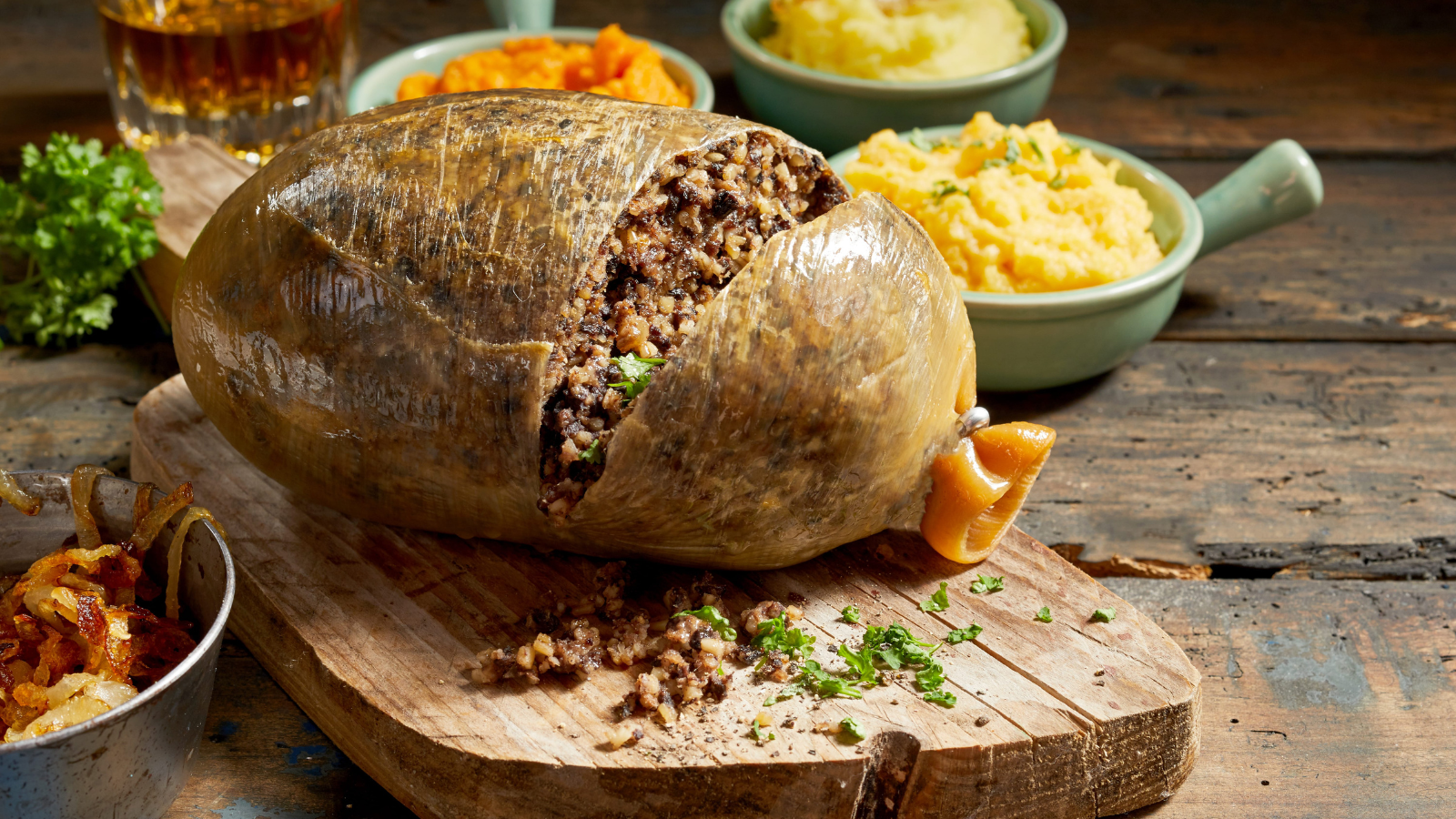
The haggis served in Scotland and the haggis you might encounter in America aren’t necessarily the same.
Traditional haggis contains sheep’s lungs along with other organ meats, oatmeal, onions, and seasoning. The lungs are the sticking point under U.S. meat-import rules, which is why authentic Scottish haggis has historically been unavailable in its traditional form. American-made versions may substitute other ingredients.
That means a traveler returning from Scotland cannot simply assume the haggis on their plate can come home with them.
Japanese Fugu
One of Japan’s most famous delicacies comes with a poison so powerful that the U.S. tightly controls its import.
Pufferfish can contain tetrodotoxin, a potent toxin that is not destroyed by ordinary cooking or freezing. FDA rules state that personal importation of pufferfish is prohibited, while extremely limited commercial arrangements exist for specially controlled products.
So while specially prepared fugu can appear in certain American restaurants, you can’t casually pack it in your suitcase.
Casu Marzu
This Sardinian cheese is famous precisely because it contains something most American shoppers would never expect to find in cheese: live insect larvae.
Casu marzu is traditionally made by allowing cheese fly larvae to develop inside the cheese. That unusual production method creates serious food-safety and regulatory problems in the United States, making the authentic version effectively unavailable through normal legal commercial channels.
It is one of those foods where the forbidden reputation is almost part of its appeal.
Shark-Fin Dishes
A traditional bowl of shark-fin soup runs into conservation law long before it reaches a fashionable American restaurant.
The United States has significantly tightened restrictions surrounding detached shark fins. Federal law prohibits transactions involving shark fins in many circumstances, making it extremely difficult to sell or possess traditional shark-fin products legally. The rules focus largely on shark conservation rather than the dish’s culinary qualities.
A food once considered a luxury delicacy in parts of Asia therefore faces a very different legal landscape in America.
Certain European Cured Hams
That expensive Spanish or Italian ham you bought on vacation may not be allowed into your suitcase.
USDA restrictions currently prevent travelers from bringing certain prosciutto, Serrano ham, Iberian ham, and salami from areas of France, Germany, Italy, and Spain into the United States as personal baggage. Those products may enter through commercial channels when the required certifications and conditions are met.
So the restriction is not necessarily “America doesn’t sell this food.” It is more complicated: you may not legally bring that particular product home yourself.
Unripe Ackee
Ackee is beloved in Jamaica, but eating the wrong version can be genuinely dangerous.
The ripe fruit can be safely processed, which is why canned and properly handled ackee products are available in the United States. The problem is unripe ackee, which can contain high levels of hypoglycin A, a toxin that can cause serious illness.
The FDA therefore monitors imported ackee products and evaluates processors to ensure only properly ripened fruit enters the market.
That makes ackee a fascinating example of a food that isn’t simply banned, but is heavily controlled because the wrong version can be dangerous.
Some Fresh Meat From Disease-Affected Countries
A perfectly ordinary sausage or piece of cured meat can become an agricultural-security problem when it crosses an international border.
USDA restrictions can prohibit travelers from bringing certain beef, pork, sheep, or goat products from countries affected by serious livestock diseases such as foot-and-mouth disease or African swine fever.
The concern is not that the meat is necessarily dangerous to eat. The concern is that agricultural products can carry diseases that can cause enormous damage to American livestock.
Related: 6 Meats That Are Now Illegal to Eat in the United States
Certain Imported Poultry Products
Chicken and duck products can face the same problem when disease outbreaks are involved.
USDA can restrict poultry meat and poultry products from countries affected by serious diseases, including highly pathogenic avian influenza and Newcastle disease. Some thoroughly cooked, commercially packaged products may still qualify for entry under specific conditions.
In other words, the rules can change depending on where the food came from and what disease situation exists there.
Some Foreign Egg Products
Even something as ordinary as an egg can become restricted when it comes from a country experiencing certain animal-disease outbreaks.
USDA currently restricts many eggs and egg products from areas affected by highly pathogenic avian influenza. Travelers therefore cannot assume they can bring home a traditional egg-based specialty purchased overseas.
The same food may be completely ordinary domestically while its international version faces additional controls.
Certain Raw-Milk Products
A traditional farm cheese can have a very different legal status depending on how it was produced and how it enters the country.
U.S. rules do not simply prohibit every raw-milk cheese. In fact, certain solid cheeses can enter under specific conditions, while other dairy products face additional restrictions. APHIS notes that travelers may bring certain hard or soft cheeses that do not contain meat and meet applicable requirements.
That is why calling all raw-milk cheese “banned” would be misleading. Production, processing, and importation details matter.
Foods Containing Restricted Animal Ingredients
Sometimes the problem is not the food you bought, it is one ingredient hidden inside it.
A pastry, snack, soup mix, or traditional specialty may contain meat, dairy, eggs, or another animal-derived ingredient that triggers U.S. import rules. APHIS warns that many agricultural and wildlife products must be declared when travelers enter the country, and inspectors make the final determination about whether an item can enter.
That is why the safest approach for travelers is to check the current rules for bringing food into the United States before packing something unusual.
Why These Foods Hit a Legal Wall
Surprisingly, most of these restrictions have little to do with Americans simply disliking unusual food.
Some rules protect people from toxins. Others protect American farms from foreign animal diseases, while others address conservation or the way a food is produced. U.S. authorities specifically warn travelers to declare agricultural products, even when they are unsure whether an item is restricted.
And that makes international food even more interesting. A dish can be a beloved national treasure in one country while its traditional version is virtually impossible to obtain legally in another.
For anyone fascinated by food and how it fits into everyday life, exploring simple habits and surprising superfoods can lead to plenty of other unexpected discoveries.
Which of these foods surprised you the most, and which one would you be tempted to try if you could legally get the authentic version?