Chocolate makes sense. Candy hearts practically announce their intentions. Cabbage is where the story gets interesting.
Food’s place in American romance has never been limited to dinner reservations. It has carried affectionate messages, supplied gifts, and appeared in party games about future partners. Some connections remain familiar. Others survive in historical newspaper accounts that make today’s Valentine’s aisle look positively restrained.
These seven foods belong to different chapters of that story. They weren’t universal traditions, and they didn’t determine whom Americans loved. They offered ways to express affection, entertain romantic hopes, or start a conversation.
Boxed Chocolates: A Gift With a Second Life
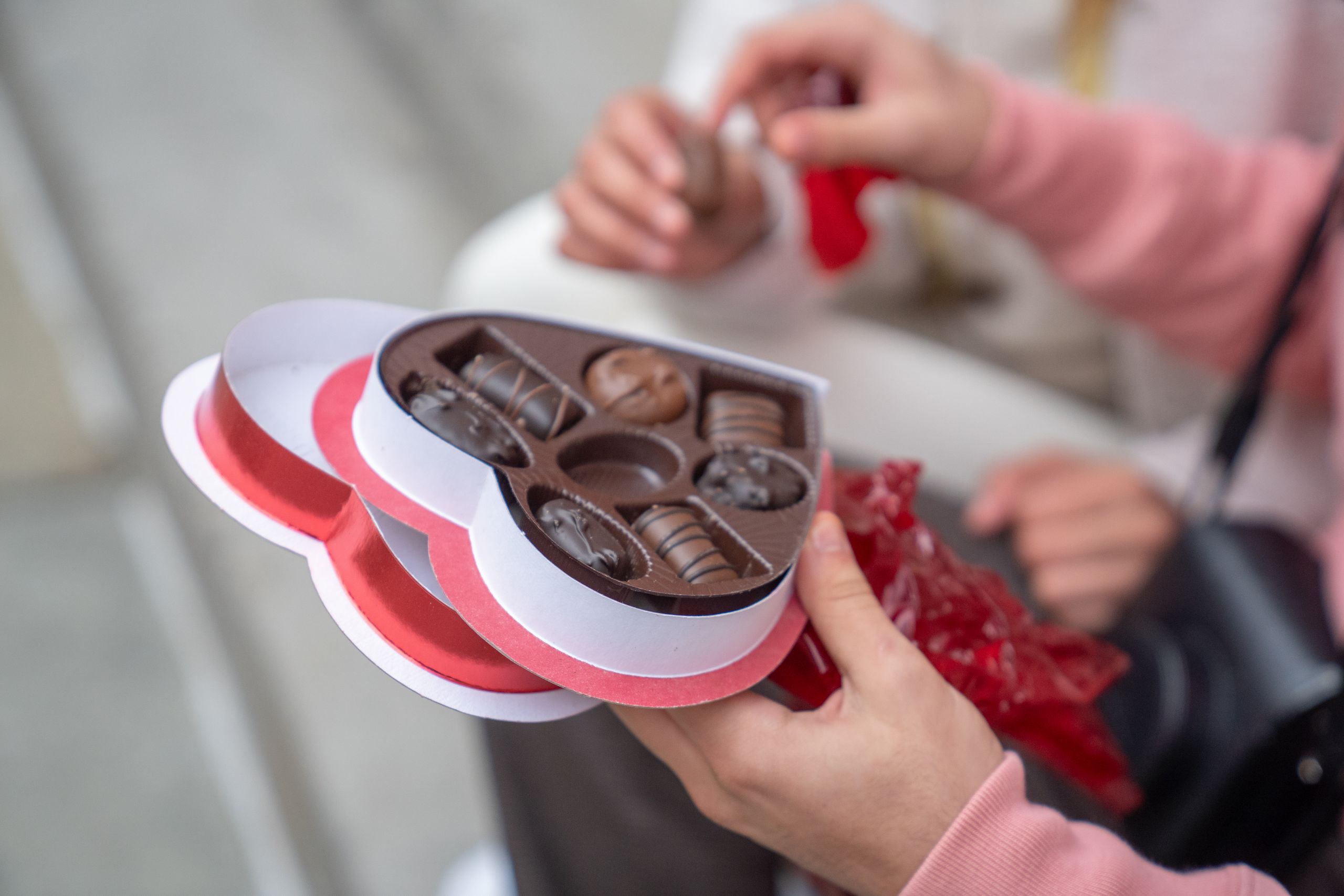
The chocolate box made presentation part of the gift.
Its Valentine’s connection developed in nineteenth-century Britain, where decorated boxes could remain useful after the chocolates were eaten. Love letters and other mementos gave the empty package a second purpose.
The tradition also took on an American business history. Clara Stover began wrapping candies in her Denver kitchen in 1923. She and her husband later sold Valentine’s chocolates in heart-shaped boxes to department stores across the Midwest.
The history of Valentine’s chocolate gifts shows how confectionery and packaging became intertwined. The contents offered something to enjoy; the box made the occasion unmistakable.
Conversation Hearts: Affection in a Few Words
Conversation hearts put the message directly on the food.
Sweethearts date to 1902, with familiar expressions including “Be Mine” and “Kiss Me.” The format made a piece of candy something that could be read before it was eaten.
The phrases also changed as communication habits evolved. Updates beginning in the early 1990s introduced wording such as “Fax Me,” while other messages moved from “Call Me” toward “Text Me.”
The documented history of these candy messages provides a miniature timeline of how people kept in touch. The technology changed, but the invitation remained recognizable.
Chocolate Kisses: A Small Treat in a Larger Valentine’s Story
Chocolate Kisses began production in 1907, as Valentine’s Day commercialization was flourishing in America.
Its place in this history differs from that of the elaborate boxed assortment. A small, individually wrapped chocolate offered a less elaborate format than a decorated box meant to be kept.
The name gave the confection an affectionate association, but that should not be confused with proof that it was invented specifically for courtship. Its inclusion here reflects its place in the broader history of American Valentine’s chocolate.
Related: 9 Everyday Foods People Are Choosing as They Think About Aging Well
It is a useful distinction: a food can become part of romantic gift-giving without starting life as a dedicated romantic product.
Apples: A Sweetheart Imagined in the Peel
Apples appeared in historical Halloween customs about future marriage, long before the holiday became primarily associated with children collecting candy.
American newspapers described rituals in which apple peels supposedly formed the first letter of a sweetheart’s name. Other accounts involved eating an apple before a mirror in hopes of seeing a future spouse.
These were supernatural beliefs and entertainment, not predictions you could rely on.
They reveal a different role for a familiar ingredient. The apple became a prop for contemplating romance, rather than simply something served at the gathering.
Nuts: Two Futures in One Party Game
Nuts supplied another way to dramatize romantic uncertainty.
Historical newspaper accounts described paired nuts representing a woman and a prospective partner. Their behavior in the heat supposedly indicated whether the relationship would last. Chestnuts appeared in other marriage-prediction customs.
The stories often drew on traditions from Britain and Ireland, and American newspapers sometimes treated them skeptically. Their appearance in print does not establish that every community practiced them.
Still, they made compatibility part of the evening’s entertainment. A seasonal food supplied the characters; the guests supplied the romantic interpretation.
Cabbage: An Unexpected Symbol of Marriage Prospects
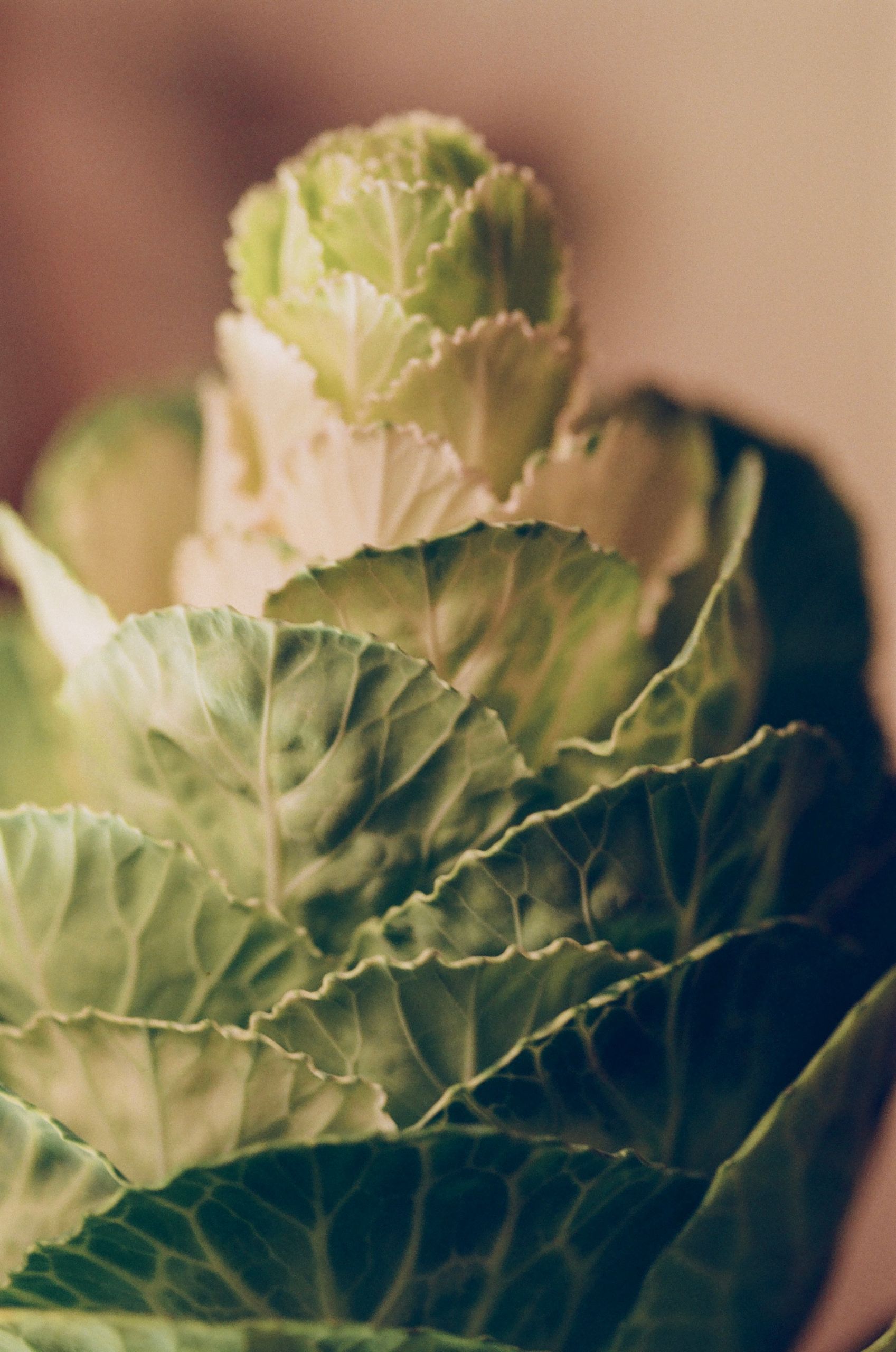
Cabbage may be the least glamorous food in this company, but it had a place in romantic folklore.
Nineteenth-century newspaper accounts described a belief that the earth clinging to a pulled cabbage could indicate a future husband’s wealth. Reports often presented such customs as traditions from the old country rather than established American habits.
The archival newspaper examples collected here show both fascination and skepticism.
This was courtship imagined through practical concerns as well as affection. Even a garden vegetable could become a symbol of the future life someone hoped to build.
Celebration Cake: A Place for Romantic Possibility
Cake also entered Halloween gatherings concerned with marriage prospects.
The Los Angeles Herald advised readers to use a chocolate-iced Halloween cake with symbolic objects, including a ring, thimble, button, and money. The same newspaper discussed other rites intended to reveal future partners.
That makes this a different story from a wedding cake. The gathering looked toward possible marriages, not only a marriage already taking place.
The objects belong to a historical description, not a modern serving suggestion. The cake’s significance lay in its place in an evening where food, entertainment, and romantic expectation came together.
The Feeling Behind the Food
A Valentine’s gift and a cabbage superstition are hardly the same tradition. One made affection visible; the other turned uncertainty into a story.
Together, these examples show how food can give people something tangible to offer, interpret, or share. The gesture need not be expensive or elaborate. If you chose one food to express affection today, what would you offer, and what would make it meaningful to the person receiving it?