The battle over the Strait of Hormuz is starting to look less like a short-term military crisis and more like a test of who can endure the pressure longest.
Majid Shakeri, an adviser to Iranian Parliament Speaker Mohammad Bagher Ghalibaf, has publicly argued that Tehran should avoid chasing a major agreement with President Donald Trump and instead manage the confrontation until Trump’s term expires in January 2029. “Trump will not reach an agreement with us. We will accompany him until his term ends,” Shakeri said in remarks circulated on social media and reported by multiple outlets.
That is a striking statement, but it needs an important qualification. Shakeri was expressing a strategic view, not announcing a formal policy on behalf of the Iranian government. Iran’s Foreign Ministry has given a different and more specific explanation for its position: Tehran says the Strait of Hormuz will not fully reopen. At the same time, the U.S. naval blockade remains in place and other Iranian demands remain unresolved.
Iran’s strategy is becoming a waiting game.
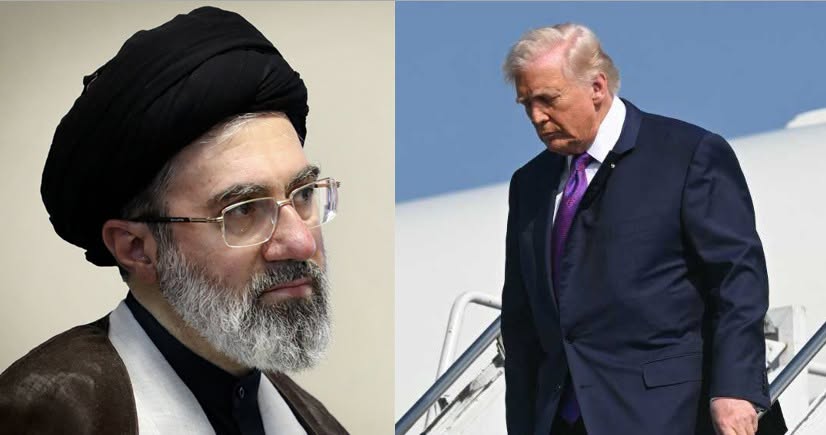
Shakeri argued that Iran’s best option sits somewhere between outright war and a comprehensive agreement. He described a strategy built around ambiguity and patience, essentially keeping Washington trapped in an uncomfortable middle ground rather than giving Trump either the decisive military victory or sweeping diplomatic agreement he wants.
That view appears particularly significant because Washington is already struggling to restore normal shipping through Hormuz. Reuters reported Tuesday that only six ships passed through the strait on Monday. Before the war, roughly 130 to 140 vessels typically transited the waterway each day. The strait has therefore not been literally sealed shut, but commercial traffic remains a fraction of normal levels.
The dispute has enormous economic consequences. Roughly one-fifth of global oil and liquefied natural gas passed through Hormuz before the conflict. Restrictions on shipping have helped push up energy prices and created pressure on both Gulf economies and Washington.
Trump, meanwhile, has rejected Iran’s demand for war compensation and countered by saying Tehran should compensate victims of attacks and conflicts he attributes to Iran. His new demand further complicated negotiations that were already struggling. Reuters reported that oil prices jumped after expectations for a Hormuz agreement weakened.
The $300 billion claim needs some context.
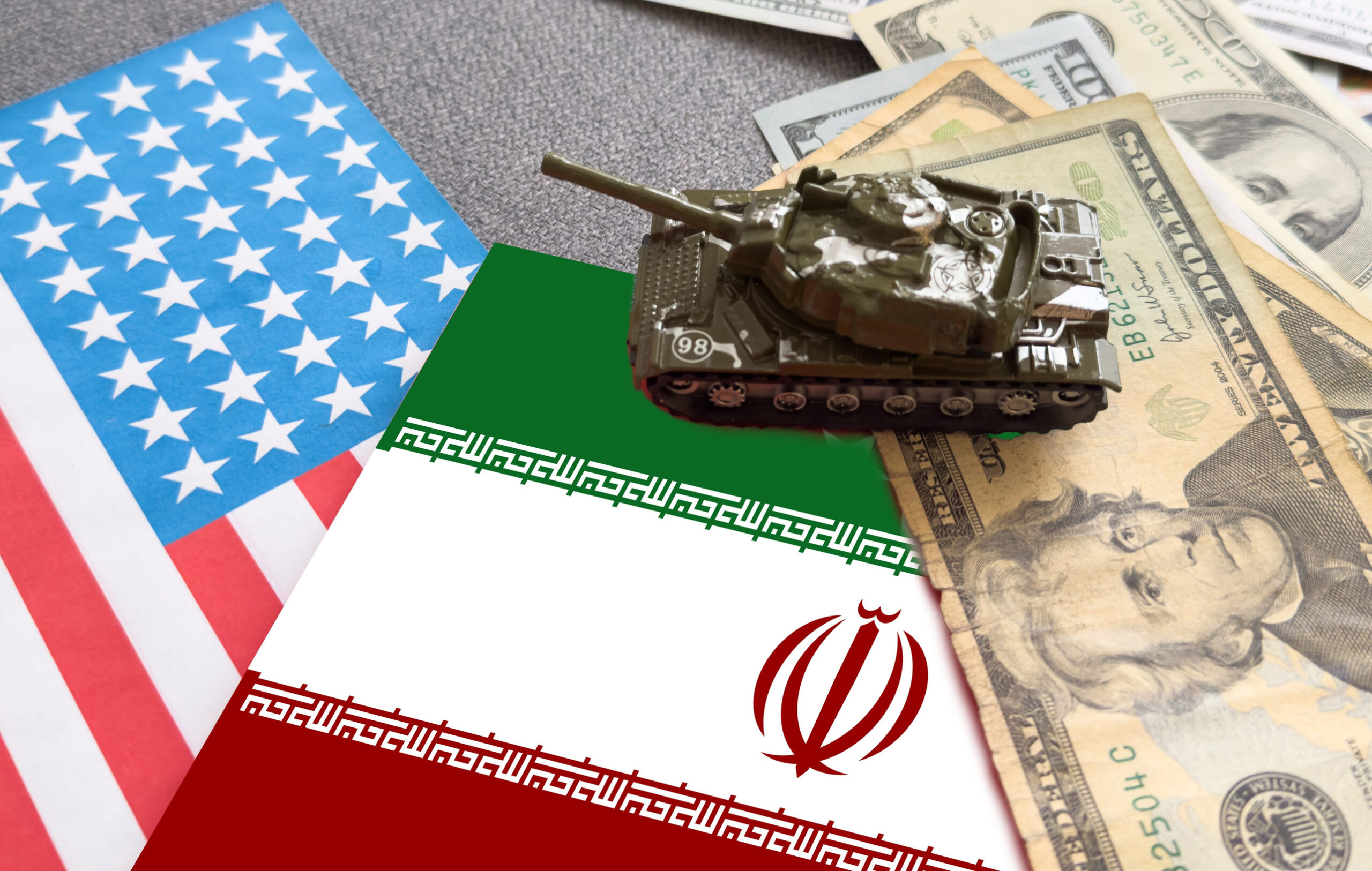
Iran’s demands have included compensation for wartime damage, sanctions relief, access to frozen Iranian assets and changes to America’s military posture. But the frequently repeated claim that Iran demanded “$300 billion in compensation” leaves out an important distinction.
A preliminary U.S.-Iran framework reached in June included plans for at least $300 billion in reconstruction and economic investment. Reuters reported at the time that the proposed fund was designed as a private investment vehicle involving international companies and investors. It was separate from negotiations over frozen Iranian assets and separate from direct war reparations.
The June memorandum also called for the removal of the U.S. naval blockade, temporary safe commercial passage through Hormuz and negotiations toward a final agreement. That framework did not survive. Washington reimposed its blockade in July after attacks on commercial shipping, which Tehran described as a violation of the agreement. Fighting and retaliatory attacks resumed.
So the current confrontation is not simply a case of Iran suddenly presenting Washington with an entirely new list of impossible demands. Some Iranian demands resemble provisions discussed in the earlier agreement, although the two sides now sharply disagree over responsibility for its collapse and what a replacement settlement should look like.
America’s missile problem adds another complication.
Washington also faces a military constraint that makes another large escalation more difficult.
The Atlantic reported on August 6 that some U.S. long-range missile inventories had fallen to about 20 percent of the levels the Pentagon would prefer to maintain. The report said Patriot and THAAD interceptor supplies had also been depleted enough that American forces were making increasingly difficult decisions about which incoming Iranian missiles warranted interception. The Pentagon disputed claims that the United States lacks sufficient munitions, saying American forces retain what they need to carry out presidential orders.
Reuters separately reported that concerns about depleted missile stocks may be influencing Washington’s calculations, though Trump has denied that the United States is running short.
That helps explain why describing the situation as a simple Iranian “checkmate” goes too far. Iran has considerable leverage through Hormuz, but it is also facing sanctions, military damage and severe economic pressure. Washington still possesses substantial military power, while renewed escalation could be extremely costly for both sides.
What is clear is that Trump does not currently have an easy exit. Reuters described him as facing a menu of unattractive choices: accept compromises that could strengthen Iran’s role in Hormuz, escalate militarily and risk another prolonged confrontation, or allow the current standoff to continue.
And Shakeri’s message suggests that at least some influential voices in Tehran believe time itself may now be one of Iran’s most useful weapons.