Todd Blanche is finally attorney general in more than name.
The Senate approved him early Saturday to permanently lead the Department of Justice after a high-drama confirmation process, with the vote falling mostly along party lines and two Republicans breaking ranks to oppose him. The margin: 50 to 49.
Blanche had already run the department for months as acting head. Saturday made it official, closing out a fight that at one point looked like it might sink the nomination entirely.
A lawyer turned Trump loyalist reaches the top job
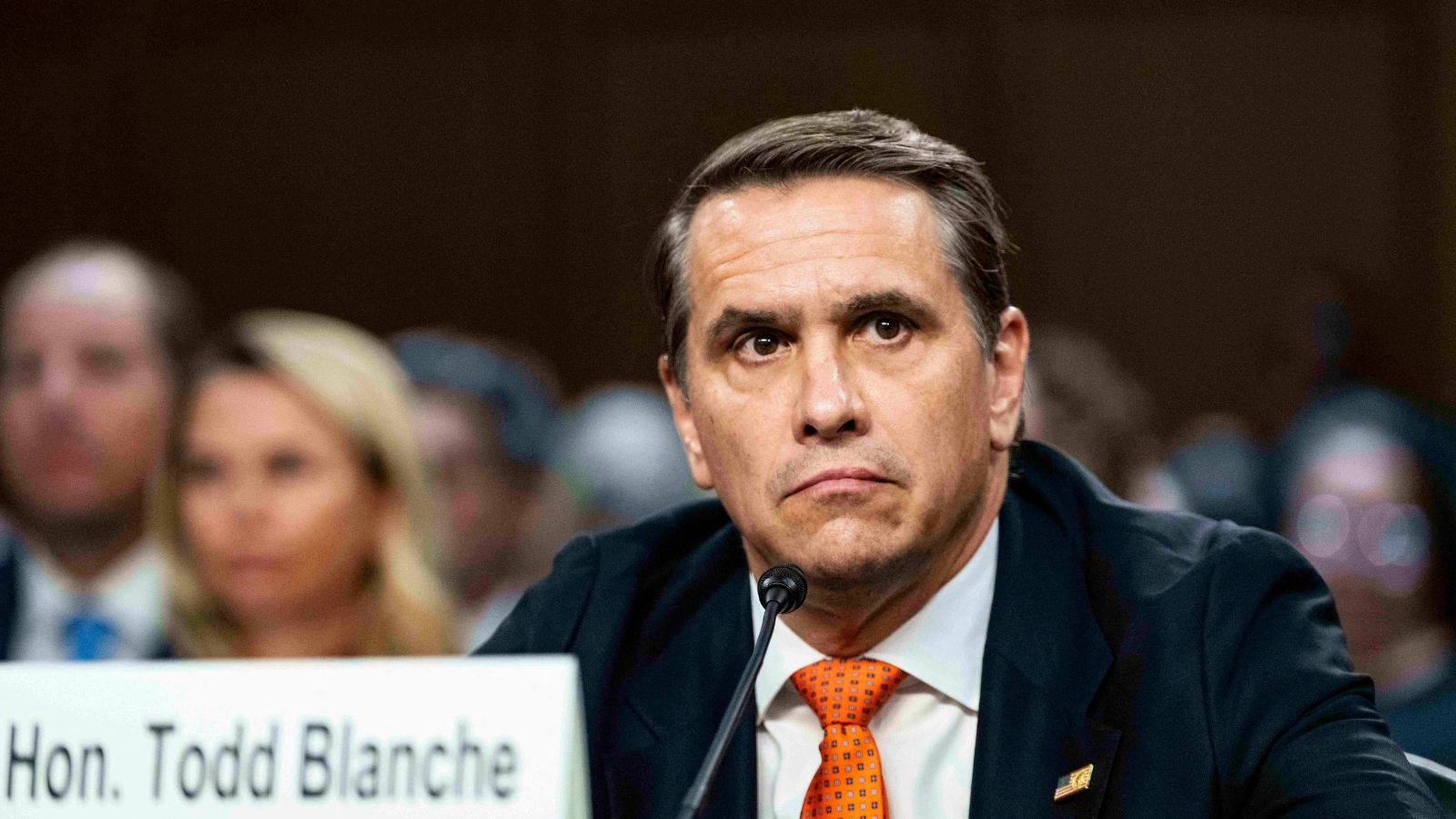
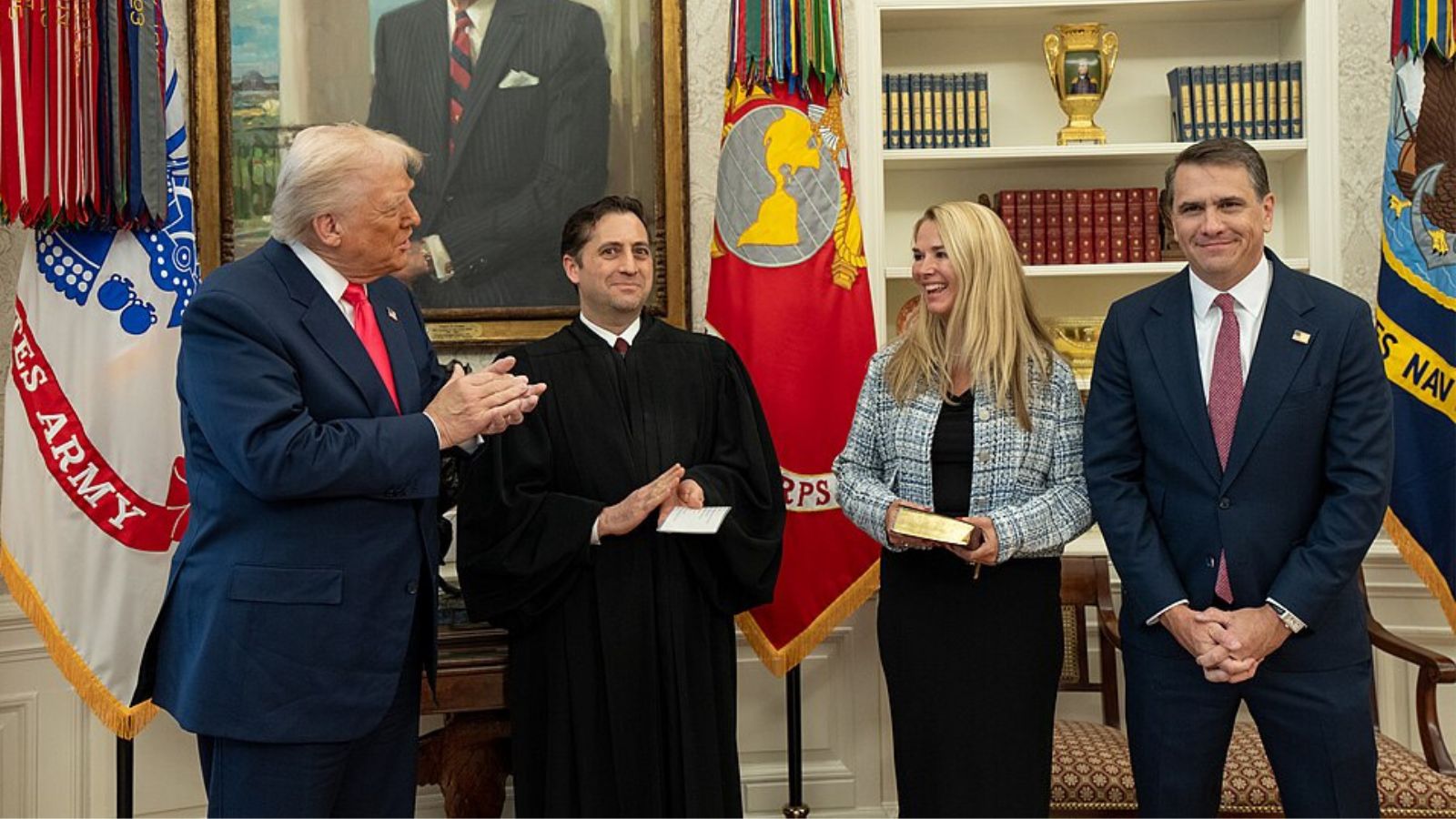
Blanche’s path to the DOJ’s top seat runs directly through Trump’s legal troubles. Born in Denver in 1974, Blanche trained at American University and Brooklyn Law School before working as a federal prosecutor. He later became one of Trump’s personal criminal defense attorneys, a role that shaped his entire path into government.
The Senate first confirmed Blanche as deputy attorney general in a 52-46 vote, with every Democrat opposed. That post put him in charge of overseeing all 93 U.S. attorneys nationwide, along with the FBI, DEA, ATF, and U.S. Marshals Service. He stepped into the acting attorney general role in April, filling the vacancy Pam Bondi left behind.
Unlike this round, his first confirmation drew zero Republican defections. That contrast says something about how much scrutiny built up over the following year.
A $1.8 billion fund becomes the flashpoint
The confirmation nearly collapsed over money that was never actually spent. Blanche’s order rescinded a May directive establishing a nearly $1.8 billion anti-weaponization fund, though it left in place the underlying settlement provision requiring the attorney general to create one.
The fund traced back to a lawsuit Trump filed against his own government. Trump had sued over the leak of his tax returns. A federal judge dismissed the $10 billion case against the IRS ahead of a proposed settlement. The deal would have offered taxpayer money to people claiming they were victims of federal weaponization, including participants in the January 6, 2021, Capitol riot. A White House-driven suit against the executive branch resolved into a fund for the president’s allies. Legal scholars have called it unprecedented.
Two Republicans held the nomination hostage over the fund’s fate. Blanche announced Sunday night that his team had addressed the concerns of committee members and senators, calling the discussions good faith before posting a signed order online.
Holdouts get their signature, doubts do not fully disappear
Sens. John Cornyn of Texas and Thom Tillis of North Carolina had refused to move Blanche’s nomination without something in writing. Cornyn and Tillis ultimately agreed to support Blanche after he confirmed the fund had been rescinded and clarified the scope of an agreement shielding Trump and his family from certain tax audits.
Tillis also pushed for something less transactional. He pressed Blanche to meet with Epstein survivors amid scrutiny of the Justice Department’s handling of the Epstein files. Blanche later met privately with a group of survivors following his confirmation hearing.
Written assurances only satisfy so much skepticism. A Department of Justice spokesperson would not directly answer whether Trump, his sons or the Trump Organization had agreed in writing to the fund’s end. Sunday’s order carried only Blanche’s signature, not the president’s or his family’s.
Two Republicans still walked away
Party unity broke down beyond the two who eventually came around. Sens. Susan Collins of Maine and Lisa Murkowski of Alaska both announced they would vote against Blanche. Trump’s pick could only afford to lose two Republican votes. That was due to the chamber’s narrow party-line math.
Every committee Democrat had already voted no weeks earlier. Sen. Richard Blumenthal of Connecticut dismissed the rescission paperwork Blanche posted to social media, calling the document a sham during committee deliberations.
One senator’s overnight reversal decides it
The nomination came down to a single undecided vote. Sen. Bill Cassidy of Louisiana held the deciding vote. Senate Republicans could spare only two defections, with Minority Leader Mitch McConnell still absent from the Capitol following a hospitalization.
Cassidy did not pretend the choice was easy. He used his Friday floor speech to acknowledge what he called Blanche’s poor judgment in approving the anti-weaponization fund and exempting the president from IRS audits, along with what he described as episodes of apparent lawfare with the department bringing suits against political enemies.
He reasoned it through overnight and landed somewhere else entirely. Cassidy concluded it would be better to have a Senate-confirmed attorney general with standing to push back on the president than an acting one without it, noting that even critics admit Blanche knows the law and runs a hands-on operation.
A department still hunting for stability
Blanche now leads a Justice Department that has cycled through turnover most agencies never see in a single term. Bondi departed in April. An acting attorney general held the seat for four months while the confirmation fight played out.
The permanent title changes little about the pressure Blanche faces immediately. Court challenges tied to the settlement remain active, oversight from Cornyn and Tillis will likely continue. Democrats have signaled the fund fight is not entirely closed even with Sunday’s order on the books.
What changed Saturday was Blanche’s standing, not necessarily the scrutiny trailing him into the job.