Michigan state Rep. Donavan McKinney defeated two-term U.S. Rep. Shri Thanedar in the Democratic primary for Michigan’s 13th Congressional District. The result, confirmed Wednesday, August 5, ended Thanedar’s bid for a third term.
The vote followed Tuesday’s primary across Detroit and nearby Wayne County communities. With all 346 precincts reporting, McKinney received 57,714 votes, or about 52%. Thanedar received 53,494 votes, or about 48%.
McKinney now advances to the November 3 general election against Republican T.P. Nykoriak. The winner will represent a district centered on Detroit and extending into several surrounding Wayne County communities.
McKinney wins direct contest.
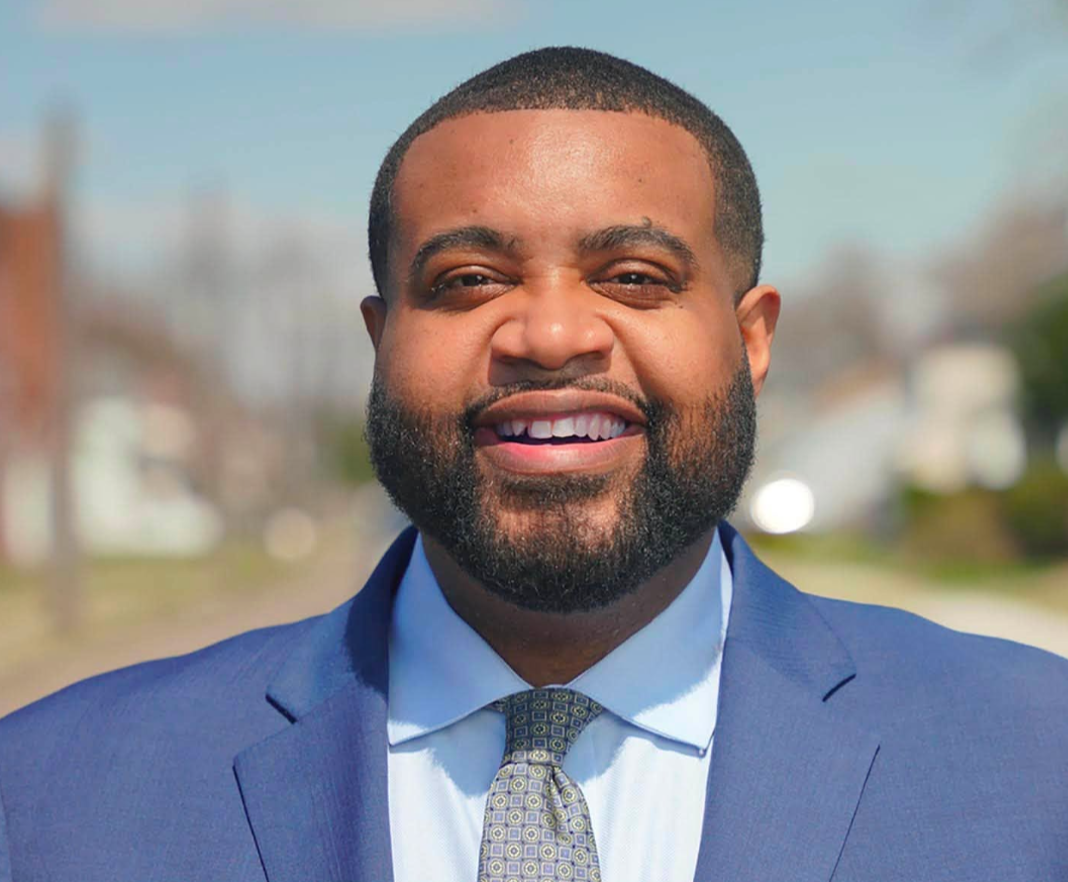
The primary gave Democratic voters a clear two-person choice. Thanedar had previously survived crowded fields, where opposition votes were divided among several challengers.
McKinney consolidated support from prominent progressives, labor organizations and local political leaders. His supporters included Sen. Bernie Sanders, Rep. Rashida Tlaib and groups aligned with the Democratic Party’s left wing.
Thanedar entered the campaign with the advantages of incumbency, greater name recognition and substantial personal wealth. He also remained a member of the Congressional Progressive Caucus and supported several left-leaning domestic policies.
The race therefore did not divide neatly between a progressive challenger and a centrist incumbent. Both candidates supported broader healthcare access, labor protections and environmental policies.
Their sharper differences involved political identity, campaign financing and U.S. policy toward Israel. McKinney also argued that Detroit needed a representative with deeper working-class ties.
Personal history drives campaign.
McKinney grew up in northeast Detroit and attended Detroit public schools. He has described a childhood marked by repeated moves, housing insecurity and financial hardship. Before joining the state Legislature, he worked in labor organizing and community advocacy. He used that background to present himself as a candidate shaped by the district’s economic pressures.
Thanedar offered a different biography. He immigrated to the United States, trained as a chemist, and built businesses in chemical and pharmaceutical testing.
His business career made him wealthy and allowed him to invest heavily in politics. McKinney turned that advantage into a campaign issue, arguing that Thanedar no longer reflected many residents’ daily experiences. That argument carried particular force in a district where affordability remains a central concern. McKinney focused on housing, healthcare, childcare, utility costs and environmental justice.
Money sharpens voter choice.
Campaign finance became one of the clearest dividing lines. McKinney’s federal committee raised $1.37 million overall during the 2025-26 election cycle through July 15. Individual contributions provided more than $1.2 million of that total. The campaign listed no candidate loans and no personal contributions from McKinney.
Thanedar had far greater access to personal funds. His wealth allowed him to finance advertising and campaign operations without depending entirely on outside contributors. McKinney argued that this difference reflected competing models of political power. He presented his campaign as movement-backed and connected to workers, unions and individual contributors.
Thanedar could present personal financing as independence from major political organizations. Voters ultimately favored McKinney’s argument in the narrow primary. The result also demonstrated that money could not erase dissatisfaction with an incumbent. Thanedar remained competitive, but his financial advantage did not secure the nomination.
DSA split shapes race
McKinney received support from the Democratic Socialists of America. The organization promoted him as a candidate focused on working families, public investment and corporate influence. Thanedar once belonged to the same organization. He renounced his DSA membership in October 2023 after the Hamas attack on Israel.
Thanedar said the organization had failed to condemn terrorism clearly. He maintained that his positions on healthcare, unions, immigration and environmental justice had not changed.
The break created an important distinction between the candidates. Thanedar strongly supported Israel’s right to defend itself, while McKinney aligned with progressives seeking an end to U.S. military aid. Foreign policy was not the primary’s only dividing issue. However, it placed the candidates on different sides of a growing Democratic dispute over Israel, Gaza and American military support.
Detroit representation returns to focus.
McKinney’s victory also carried historical significance for Detroit. The city had continuous Black representation in Congress from 1955 until the congressional term that began in January 2023. Thanedar, who is Indian American, won the newly configured district after redistricting. His election ended that long period of Black congressional representation from Detroit.
McKinney, a Black Detroiter, made local representation part of his campaign. His supporters argued that his background connected him directly to Detroit’s neighborhoods, working families and political history.
That argument did not make the election solely about race. Thanedar received nearly half of the Democratic vote and maintained substantial support across the district. McKinney must now represent voters who backed both campaigns. His November strategy will need to unite progressives, union households, Black voters, immigrant communities and suburban residents.
November election sets next test.
Michigan’s 13th District strongly favors Democrats, making McKinney the leading candidate for the seat. However, the primary victory did not elect him to Congress.
Nykoriak will challenge him in the November 3 general election. Thanedar will remain in office through the end of his current term. The general election will test whether McKinney can expand the coalition that defeated an incumbent. It will also decide whether Detroit sends a Black representative back to Congress in January 2027.