A voter registration error in New Jersey has turned into a national battle over election security, government accountability, and the balance between transparency and voter privacy. What began as a software problem at the state’s Motor Vehicle Commission has now triggered demands from federal lawmakers and the Justice Department for more information about how thousands of people who were not U.S. citizens ended up on voter rolls.
The controversy has placed New Jersey at the center of a larger national debate about election safeguards. Republican lawmakers are demanding records and explanations, while state officials argue the mistake was caused by a technical failure rather than a coordinated effort to undermine elections. The dispute raises a difficult question facing election systems across the country: how can governments protect election integrity while also protecting personal information?
A software mistake puts thousands of names on New Jersey voter rolls
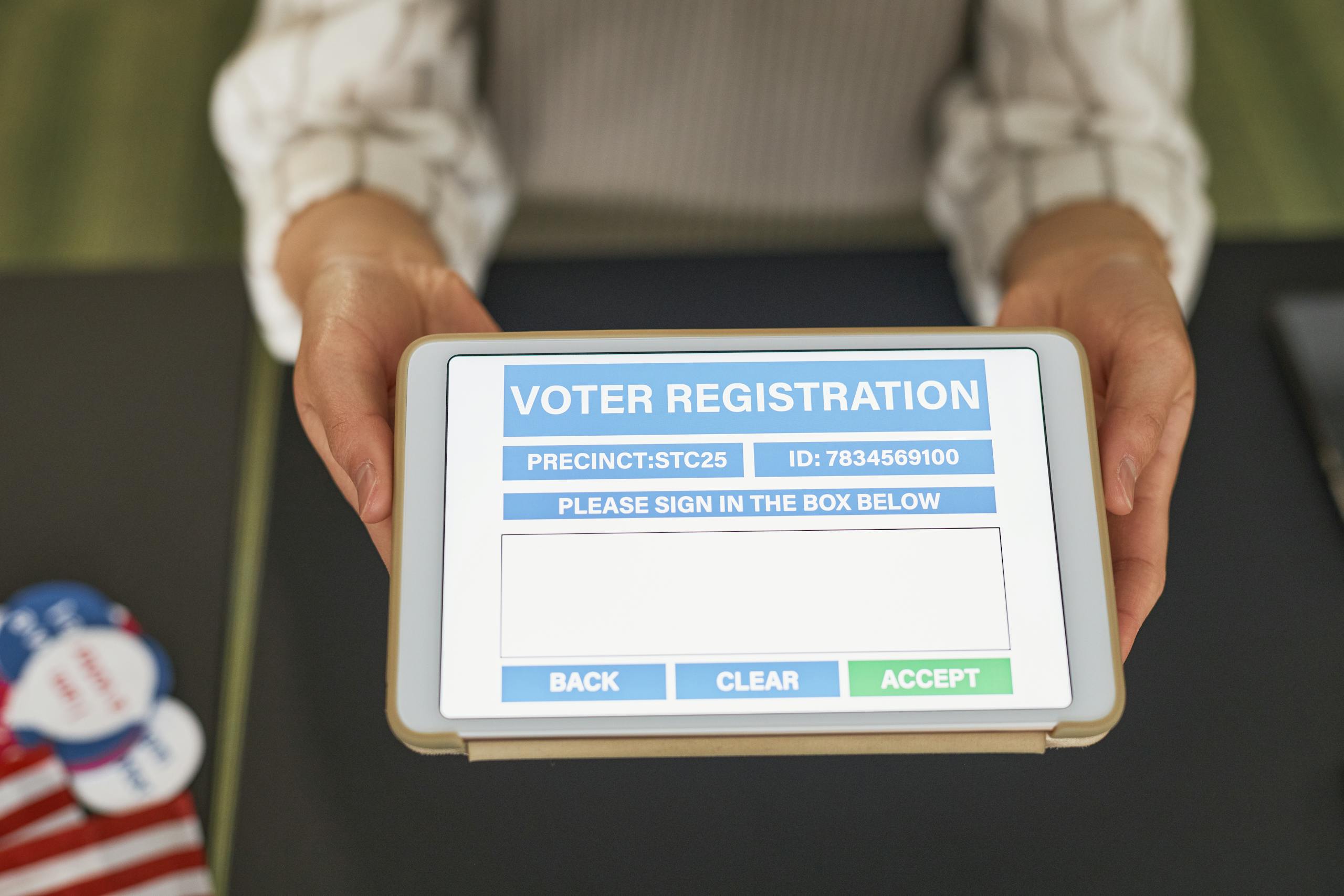
The controversy began after New Jersey officials revealed that approximately 6,600 people who were not U.S. citizens had been added to the state’s voter registration system because of a software issue connected to the Motor Vehicle Commission. Officials said the problem affected registrations created between June 2023 and June 2024.
According to state officials, the individuals had indicated during their driver’s license or identification applications that they were not U.S. citizens. However, a system error reportedly caused their information to move through the voter registration process anyway. The state said the registrations occurred without those individuals requesting to be registered.
The disclosure immediately attracted national attention because federal law prohibits noncitizens from voting in federal elections. While the discovery has intensified concerns among election security advocates, officials have emphasized that being mistakenly placed on a voter list does not automatically mean someone cast an illegal ballot.
New Jersey Governor Mikie Sherrill described the situation as unacceptable and ordered an investigation into how the error happened. She also directed officials to remove affected registrations and review the state’s registration procedures.
Republican lawmakers demand documents and federal review
The issue quickly moved from a state technology problem into a congressional and federal investigation. House lawmakers, including Representatives Jim Jordan and Bryan Steil, demanded additional information about New Jersey’s handling of voter registration data and compliance with federal election laws.
Republican officials argued that the discovery showed the need for stronger safeguards to prevent noncitizens from appearing on voter rolls. They have called for greater access to election records and more aggressive verification procedures.
The Trump administration’s Justice Department also requested information from New Jersey, including details connected to the affected registrations and individuals who may have cast ballots. Federal officials argued that the state’s disclosure created a stronger justification for reviewing voter registration records.
The request has created a legal and political fight over how much access the federal government should have to state election data. Supporters of the federal review say transparency is necessary to maintain public confidence. Critics warn that releasing sensitive voter information could create privacy risks and discourage eligible voters from participating.
The difference between registration errors and illegal voting
One of the most important issues in the debate is the distinction between being listed on a voter roll and actually casting a ballot.
Election experts have long noted that voter registration databases can contain mistakes for many reasons, including outdated information, administrative errors, and data processing problems. A registration record alone does not prove that a person voted illegally.
New Jersey officials said fewer than 400 of the affected individuals cast ballots during the period covered by the error. The state has not said that those votes changed the outcome of any election.
The situation has become politically significant because it touches on one of the most debated topics in American elections: whether existing systems are strong enough to prevent ineligible voting.
Supporters of stricter verification requirements argue that even a small number of improper registrations can damage public confidence. They say election systems must be designed to prevent mistakes before they occur.
Opponents argue that isolated administrative failures should not be used to justify broad access to voter information or sweeping changes that could affect eligible voters.
Why the New Jersey case matters beyond the state
The New Jersey controversy arrives during a period of increased national attention on election security. Federal and state officials have been debating how voter rolls should be maintained, who should have access to registration data, and what verification methods should be required.
The case also highlights the growing role of technology in election administration. Many states rely on automated systems that connect agencies such as motor vehicle departments with voter registration databases. These systems are designed to make registration easier, but errors can spread quickly when software settings fail.
The New Jersey incident has raised questions about oversight of government technology systems and whether states have enough safeguards to detect problems before they affect election records.
For election officials, the challenge is finding a balance between accessibility and accuracy. Modern registration systems must process millions of records while ensuring that only eligible citizens participate in federal elections.
A political battle over trust in elections
The fight over New Jersey’s voter registrations has become part of a broader national argument over election integrity. Republicans have pointed to the incident as evidence that stronger controls are needed, while Democrats have argued that the mistake was discovered and addressed through existing safeguards.
Both sides agree on one point: election systems must maintain public trust.
The disagreement centers on how that trust should be protected. Some lawmakers believe the answer is increased federal oversight and expanded access to voter data. Others believe the focus should remain on improving state systems while protecting voter privacy.
The outcome of the New Jersey dispute could influence future debates over voter registration technology, federal election oversight, and the relationship between state election officials and Washington.
As investigations continue, the central issue is no longer only about a software error. It has become a test of how American elections respond when technology, politics, and public confidence collide.