A fight over an international arrest warrant has moved from The Hague to New York City, pulling a mayor, an ambassador, an Israeli prime minister and a U.S. president into one of the sharpest political confrontations of the summer.
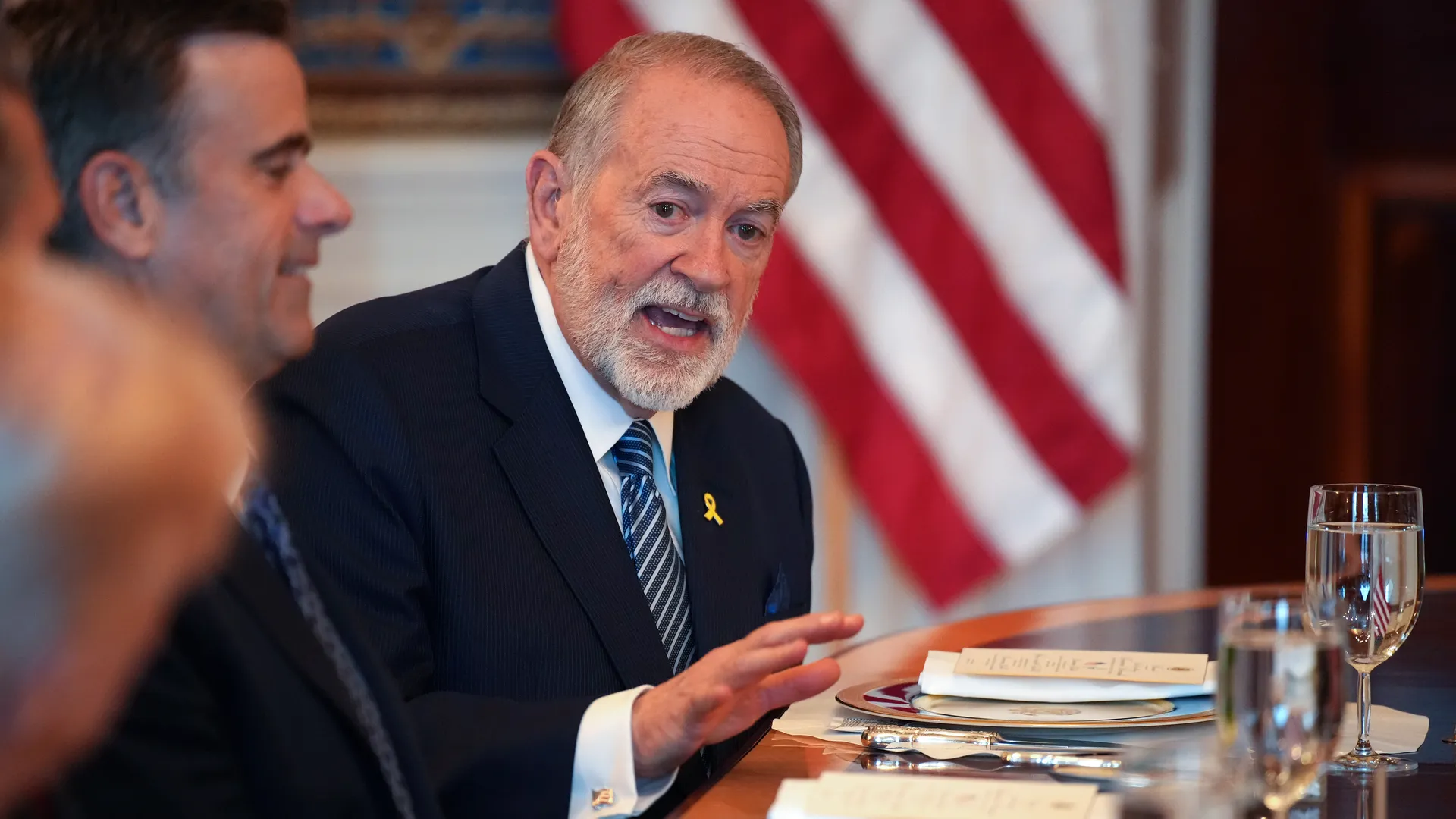
U.S. Ambassador to Israel Mike Huckabee has accused New York Mayor Zohran Mamdani of being an “evil anti-Semite” who deliberately uses genocide allegations to fuel hatred against Jews. Huckabee went further, saying that if anyone should be arrested, it should be Mamdani for “incitement.” No criminal case or legal proceeding against the mayor has been reported, making the ambassador’s statement a political demand rather than an announcement of law enforcement action.
The clash began after Mamdani released a video calling Israeli Prime Minister Benjamin Netanyahu a “war criminal” and the “architect of a horrific genocide against the Palestinian people.” The mayor also said Netanyahu was not welcome in New York, where the Israeli leader is expected to attend the United Nations General Assembly in September.
A campaign promise meets legal reality
Mamdani had repeatedly promised during his mayoral campaign that he would seek Netanyahu’s arrest if the Israeli leader entered New York. After reviewing the issue with city lawyers, however, he acknowledged that the city does not have independent legal authority to enforce the International Criminal Court’s warrant.
“It is clear that we do not have the independent legal authority to enforce this warrant,” Mamdani said. He then urged the federal government to join the ICC and execute it.
That admission changed the debate. What had sounded like a direct mayoral threat became a public appeal to Washington. The United States is not a party to the Rome Statute, the treaty that created the ICC, and the court has no police force of its own. It relies largely on cooperating governments to arrest suspects and transfer them to The Hague.
President Donald Trump rejected Mamdani’s demand in unmistakable terms. In a social media post addressed to Netanyahu, Trump said the prime minister would not be arrested “in any way, shape, or form” while in the United States.
Israel’s ambassador to the United Nations, Danny Danon, also attacked Mamdani’s message. Danon accused the mayor of repeating Hamas propaganda and told him to focus on serving New Yorkers.
What the ICC warrant actually says
The ICC issued arrest warrants for Netanyahu and former Israeli Defense Minister Yoav Gallant on November 21, 2024. The court said judges found reasonable grounds to believe they bore criminal responsibility for the alleged war crime of starvation as a method of warfare, along with crimes against humanity including murder, persecution and other inhumane acts.
The court also cited alleged responsibility for intentionally directing attacks against civilians. Netanyahu remains listed by the ICC as at large, but he has not been tried or convicted by the court. An arrest warrant establishes allegations and a basis for detention and trial. It is not a finding of guilt.
Israel rejects the ICC’s jurisdiction and denies the accusations. Netanyahu has called the case illegitimate and has accused Mamdani of “fomenting hate.” In his latest response, the Israeli leader said the war crimes charges were “bogus” and confirmed that he still planned to come to New York for the U.N. gathering.
The genocide question is being heard in a different court. South Africa’s case accusing Israel of violating the Genocide Convention is before the International Court of Justice, which handles disputes between countries. The ICJ had not issued a final judgment on the genocide allegation as of July 2026. Israel denies committing genocide.
New York becomes the political battlefield
Huckabee’s intervention pushed the controversy beyond a legal disagreement. His description of Mamdani as an antisemite framed the mayor’s criticism of Netanyahu as a threat to Jewish people, not simply opposition to the policies of an Israeli government.
Several Jewish organizations have similarly accused Mamdani of abusing his office and making Jewish New Yorkers feel less secure. The Simon Wiesenthal Center called his video a misuse of the mayoralty, while UJA Federation of New York argued that his rhetoric was dangerous.
Supporters of Mamdani see the issue differently. Pro-Palestinian advocates have praised what they describe as his moral clarity, arguing that the existence of an ICC warrant deserves serious attention. Some have also said that criticism of Netanyahu and the Israeli government should not automatically be treated as hostility toward Jewish people.
That divide is what makes this fight larger than one proposed arrest. It is a battle over who gets to define accountability, antisemitism and the limits of local political power.
For now, Netanyahu faces an international warrant but no expected arrest in New York. Mamdani faces furious demands for punishment but no reported charge. Between them stands a city where global conflicts often become local arguments, and where the language chosen by powerful leaders can quickly become as consequential as the law itself.