A disease that many Americans once considered a chapter of the past has returned to the center of national attention. The country has now recorded more measles cases in 2026 than it did during the entire previous year, marking the highest annual total since the early 1990s and creating one of the most significant measles challenges in modern U.S. history.
The surge is not simply about a rising number on a chart. Health officials say the current outbreak reflects a combination of factors, including declining vaccination coverage in some communities, delayed childhood immunizations, international travel bringing infections into the country, and measles’ ability to spread rapidly among people without immunity.
The development has renewed questions about how a disease eliminated in the United States in 2000 was able to regain such a strong foothold. It has also placed schools, hospitals and local health departments under increasing pressure as they work to identify cases, trace exposures and prevent further transmission.
Measles Cases Have Surpassed Levels Not Seen Since 1991
The United States has crossed a major measles threshold in 2026, with reported cases surpassing the previous yearly record from 2025. A state-based tracker from Johns Hopkins University counted 2,295 measles cases by July 21, 2026, exceeding the 2,289 cases recorded during the previous year.
The Centers for Disease Control and Prevention reported a slightly lower figure through its weekly surveillance system, recording more than 2,200 confirmed cases by mid-July. The difference comes from reporting timelines, as state health departments often update their numbers before national databases incorporate the information.
Regardless of the exact count, health experts agree that the scale of the outbreak represents an extraordinary increase compared with recent decades. The last time the United States experienced a measles burden of this size was in the early 1990s, before elimination was achieved through widespread vaccination efforts.
The current outbreak has affected dozens of states, with cases appearing in communities that previously experienced little measles activity. Most infections have been linked to outbreaks rather than isolated cases, meaning the virus is actively spreading in groups where immunity levels are not high enough to stop transmission.
Why Measles Is Spreading Again Across American Communities
Measles is among the most contagious viruses known to infect humans. It spreads through respiratory droplets and tiny airborne particles released when an infected person coughs, sneezes, or even breathes in shared indoor spaces.
A person with measles can unknowingly expose others before realizing they are sick. Symptoms often begin with fever, cough, runny nose and red eyes before the recognizable rash appears. During that early period, infected individuals may continue attending school, going to work or visiting public locations while unknowingly spreading the virus.
The virus is particularly dangerous because it does not require prolonged contact to spread. A person who enters a room after an infected individual has left may still face exposure because measles particles can remain suspended in the air for an extended period.
This combination of high contagiousness and delayed recognition creates a difficult challenge for public health officials. By the time a case is confirmed, dozens or even hundreds of people may have already been exposed.
The outbreak pattern in 2026 shows that measles is not spreading randomly. Instead, it is finding communities where immunity levels have fallen below the threshold needed to prevent sustained transmission.
Vaccination Gaps Are Driving the Current Outbreak
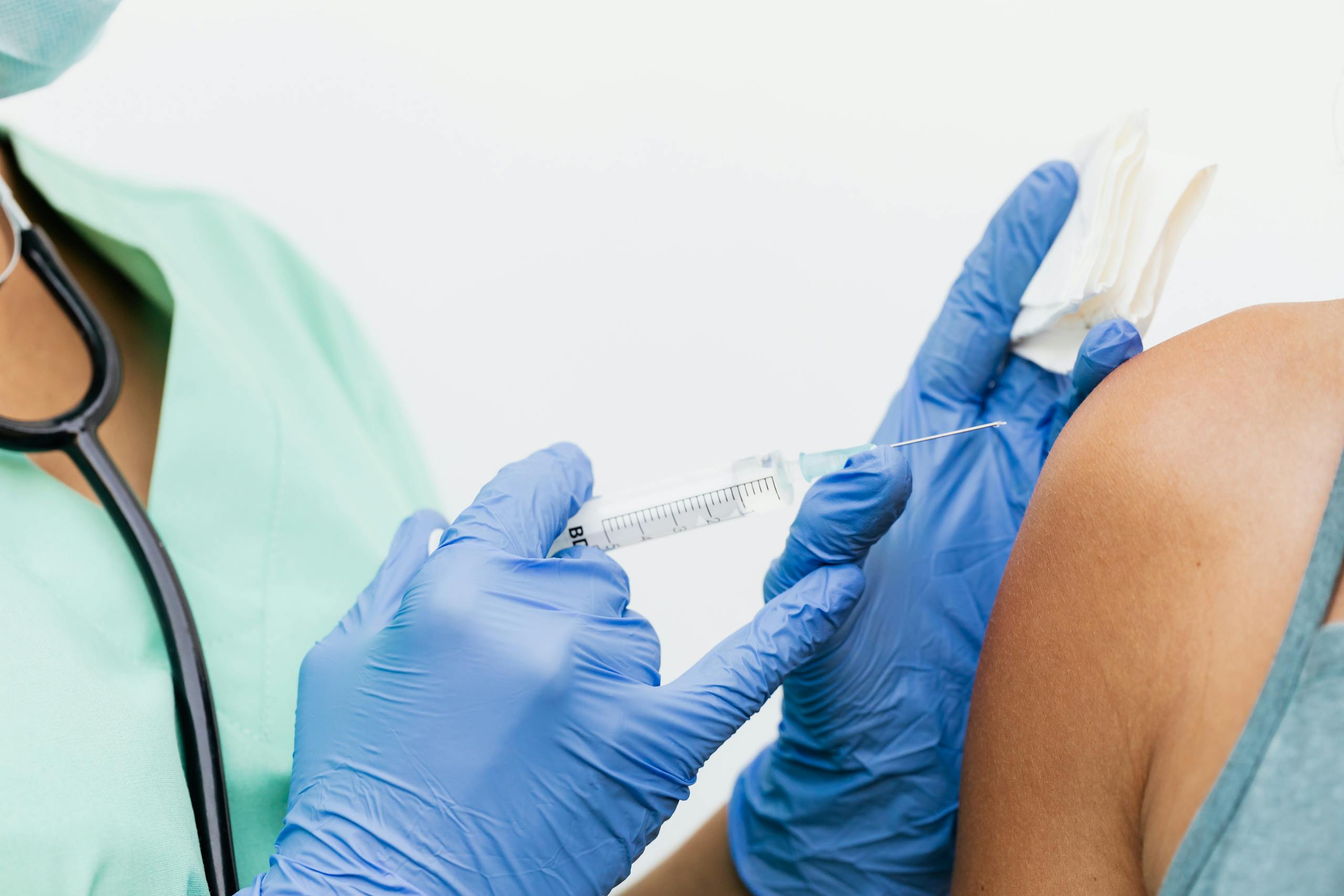
The measles, mumps, and rubella vaccine remains one of the most effective vaccines in medical history. Two doses provide approximately 97 percent protection against measles, creating strong immunity for the overwhelming majority of vaccinated individuals.
However, protection at the national level depends on maintaining high vaccination rates across every community. Even a country with strong overall coverage can experience outbreaks when certain areas have concentrated groups of unvaccinated people.
Recent years have seen a decline in childhood vaccination coverage in some parts of the United States. School vaccination reports have shown that kindergarten vaccination rates have fallen below previous levels, leaving hundreds of thousands of children without documented complete protection.
Health officials say the problem is not limited to children. Some adults may have uncertain vaccination records, may not know whether they received both recommended doses, or may underestimate the risk because measles was rarely seen in the United States for many years.
That decline in awareness has created vulnerabilities. When measles enters a community with lower immunity, the virus can spread quickly through households, schools, workplaces and social gatherings.
Schools Become the Center of the Measles Response
Schools have become one of the most important locations in the effort to control the outbreak. Children spend hours together indoors, making classrooms an environment where measles can spread efficiently.
When a confirmed case appears, schools and health departments may need to identify every person who had contact with the infected student or staff member. They must review attendance records, notify families, and determine who has evidence of immunity.
In some situations, students without proof of immunity may be temporarily excluded from school after exposure. These measures are designed to prevent additional infections, but they can create major disruptions for families and school systems.
The impact extends beyond students. Teachers, administrators, transportation workers and parents can also become part of the exposure chain. A single case can require significant coordination between schools, healthcare providers and public health agencies.
The experience of recent outbreaks shows how quickly measles can transform from a medical concern into a community-wide challenge involving education, employment and local government resources.
The Health Risks Go Beyond the Rash
Many people remember measles as a childhood illness that causes fever and a rash. While those symptoms are common, the disease can become far more serious.
Measles can lead to pneumonia, hospitalization and, in rare cases, severe neurological complications. Young children, pregnant women and people with weakened immune systems face some of the highest risks.
Health officials have reported hospitalizations during the 2026 outbreak, demonstrating that the virus continues to cause serious illness despite modern medical care.
One of the most concerning aspects of measles is that complications can appear long after the initial infection. A rare condition called subacute sclerosing panencephalitis can develop years after someone recovers from measles and can lead to progressive brain damage.
The return of measles therefore creates consequences that extend beyond immediate infections. Every outbreak requires careful monitoring because some effects may not become visible until much later.
The Cost of Controlling an Outbreak Is Enormous
Stopping measles outbreaks requires far more than treating sick patients. Public health departments must investigate cases, conduct interviews, perform laboratory testing, identify contacts and coordinate vaccination campaigns.
Recent outbreaks have shown that controlling measles can require thousands of hours of public health work. Officials may spend weeks or months tracking exposure chains, communicating with families and supporting healthcare providers.
The financial burden is also significant. Resources that could be used for other health priorities must be redirected toward outbreak response activities.
The cost becomes even greater when outbreaks affect schools and workplaces. Parents may need to miss work to care for children, schools may need additional administrative support and healthcare facilities must increase precautions to prevent further spread.
Public health experts often point out that prevention is significantly less expensive than response. Maintaining high vaccination coverage reduces both human suffering and the economic strain caused by outbreaks.
Could America Lose Its Measles Elimination Status?
The United States declared measles eliminated in 2000 after years of successful vaccination campaigns and disease surveillance. Elimination means the virus is no longer continuously spreading within the country.
However, elimination does not mean measles can never appear. International travelers can still bring the virus into the United States because measles continues to circulate globally.
The concern today is whether imported cases are creating long-lasting domestic transmission. If the virus spreads continuously for an extended period, the country could risk losing its elimination status.
Public health officials are closely monitoring outbreak patterns, genetic testing results and transmission chains to determine whether infections represent separate introductions or ongoing spread.
A loss of elimination status would represent a major setback for decades of vaccination progress. It would signal that the country is struggling to maintain the level of immunity required to keep measles from becoming established again.
What Families Should Know During the Current Outbreak
Health officials continue to encourage families to review vaccination records and confirm that children and adults are properly protected.
People who are unsure about their vaccination history should speak with a healthcare provider rather than assume they are immune. Medical professionals can help determine whether additional vaccination is recommended.
Anyone experiencing symptoms associated with measles after a possible exposure should contact a healthcare provider before visiting a clinic or emergency room. Calling ahead allows medical facilities to protect other patients and staff from possible exposure.
Travelers should also check their vaccination status before international trips, especially because measles remains common in many parts of the world.
The goal is not only to respond to current cases but to prevent the next wave of infections before it begins.
A Historic Warning for the Future of Public Health
The 2026 measles outbreak represents more than a temporary increase in infections. It is a reminder that diseases once controlled through vaccination can return when communities lose protection.
The United States has the tools needed to stop measles. The vaccine remains highly effective, testing methods are available and public health systems understand how to control outbreaks.
The challenge is ensuring those tools reach every community.
The current record serves as a warning that maintaining public health progress requires constant effort. A disease can disappear from headlines for years, but it does not disappear from the world.
As measles continues spreading across American communities, the response in the coming months will determine whether this becomes a brief resurgence or a turning point in the nation’s fight to keep one of the most contagious diseases under control.