Deadly Takeoff Incident Leaves Military Test Community in Shock as Investigation Begins. A routine test flight turned into a catastrophic aviation disaster at Edwards Air Force Base in Southern California after a U.S. Air Force B 52 Stratofortress crashed shortly after takeoff, killing all eight people on board and marking one of the deadliest accidents involving the iconic bomber in decades.
The crash occurred on June 15, 2026 at approximately 11:20 a.m. local time when the aircraft lifted off from the desert runway installation about 100 miles northeast of Los Angeles. The mission was part of a radar modernization program designed to upgrade the aging B 52 fleet for future combat readiness.
Officials confirmed that the crew included a mix of active duty military personnel, a reservist, government civilians, and defense contractors working directly on the test program. The aircraft went down shortly after departure, erupting into flames and leaving a scorched debris field near the runway.
Emergency crews responded within minutes, but no survivors were found at the scene. The scale and intensity of the impact immediately signaled a catastrophic failure event that investigators now say will take months to fully understand.
Eight Crew Members Identified After Fatal Test Flight
The U.S. Air Force has identified all eight victims of the crash, underscoring the scale of the loss within the tightly connected test community at Edwards Air Force Base. Those killed include pilots, weapons systems officers, flight test engineers, and contractor personnel who were supporting the aircraft’s radar modernization evaluation.
Unlike standard bomber missions, this flight carried an expanded crew of eight, reflecting the experimental nature of the operation and the presence of engineers monitoring real time system performance during the test.
Officials described the team as highly experienced, noting that test flights at Edwards typically involve some of the most skilled aviation personnel in the U.S. military and aerospace industry. Many had spent years working on B 52 upgrade programs that aim to extend the aircraft’s operational life well into the 2050s.
Their loss represents a significant blow to both military aviation and defense industry testing communities, where expertise is built slowly over years of highly specialized flight testing experience.
Family members and colleagues have begun sharing tributes that describe the victims as deeply committed professionals who understood both the risks and responsibilities of experimental aviation. In test environments like Edwards, crews are often united not only by duty but by the shared understanding that every flight contributes to the future safety and capability of military aviation systems.
B 52 Crashed Seconds After Takeoff in Controlled Test Environment
According to preliminary information, the B 52 crashed shortly after leaving the runway at Edwards Air Force Base, sending a thick plume of black smoke across the desert sky. The impact created a large burned scar visible from the air, with wreckage so heavily damaged that individual components were difficult to identify.
Emergency response teams reached the site quickly, but officials confirmed there were no survivors. The base temporarily restricted operations following the crash while fire crews, explosive ordnance specialists, and maintenance teams secured the area.
Officials said portions of the airfield remained closed during initial recovery efforts, particularly around the runway used for experimental launches. Edwards Air Force Base later reopened in a limited capacity while flight test operations tied to the affected program were suspended pending investigation.
Witness accounts from base personnel described a sudden loss of visibility as smoke rose rapidly from the impact zone. Within minutes, emergency protocols were activated, including airspace restrictions and coordinated response from specialized crash recovery units trained for high energy military aircraft incidents.
Inside the Radar Modernization Mission Behind the Flight
The aircraft was participating in the B 52 Radar Modernization Program, a multi billion dollar effort to upgrade the bomber’s aging systems with modern Active Electronically Scanned Array radar technology. The upgrade is designed to improve target detection, navigation accuracy, and electronic warfare resilience while ensuring compatibility with modern U.S. strike systems.
It is part of a broader effort to extend the operational life of the B 52 fleet well into the 2050s alongside newer platforms such as the B 21 Raider.
Because of the aircraft age, each modernization phase requires extensive flight testing to validate system performance under real operational conditions. These test missions are essential to ensuring safety and reliability before fleetwide deployment, often involving multiple layers of instrumentation, data capture systems, and onboard engineering analysis.
The crash now raises urgent questions about the risks involved in integrating advanced systems into legacy airframes. While modernization efforts are designed to extend capability, they also introduce complexity, requiring careful coordination between aircraft manufacturers, military engineers, and test pilots operating in real time conditions that cannot be fully replicated in simulations.
Why Edwards Air Force Base Is Central to U.S. Aviation Testing
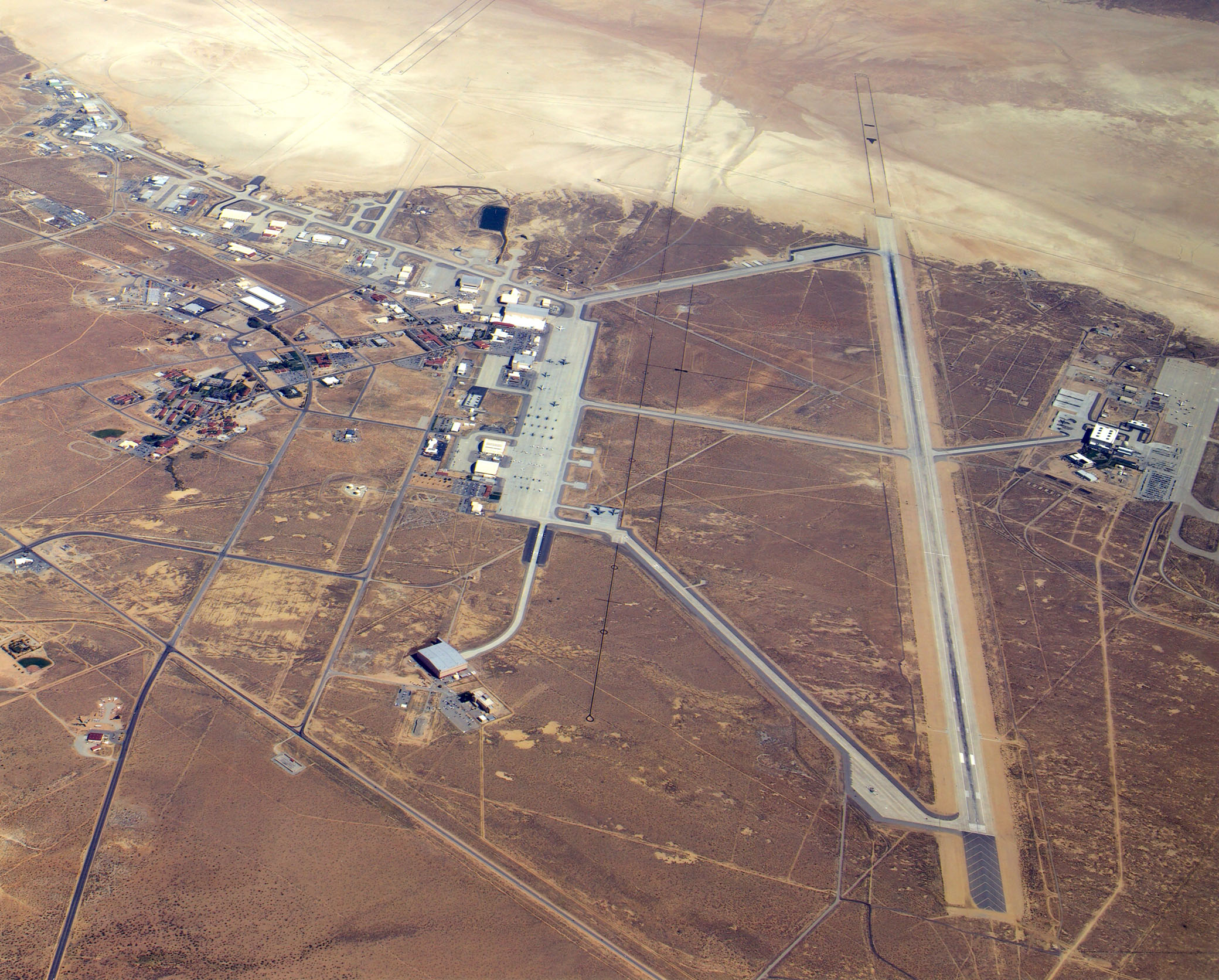
See page for author, Public domain, via Wikimedia Commons
Edwards Air Force Base is one of the most important flight test centers in the world, serving as a primary site for evaluating military aircraft, experimental systems, and advanced aerospace technology. Located in California’s Mojave Desert, the base spans a vast restricted test range and includes dry lakebed landing areas that allow emergency recovery of experimental aircraft in off runway scenarios.
It is home to the U.S. Air Force Test Pilot School and supports testing programs for multiple defense contractors, including Boeing and other major aerospace manufacturers. Edwards functions as a controlled environment where engineers and pilots can deliberately push aircraft to operational limits while collecting detailed performance data.
Aviation experts often describe Edwards as a place where theoretical engineering becomes real world performance. While safety systems are extensive and emergency response capabilities are among the best in military aviation, the very nature of experimental testing introduces inherent risk.
Aircraft flown at Edwards are frequently modified, instrumented, or operating outside standard configurations, meaning that each mission carries unknown variables. This combination of innovation and risk has made Edwards both a symbol of aerospace progress and a reminder of the dangers involved in advancing aviation technology.
The B 52 Stratofortress A 70 Year Old Aircraft Still in Active Service
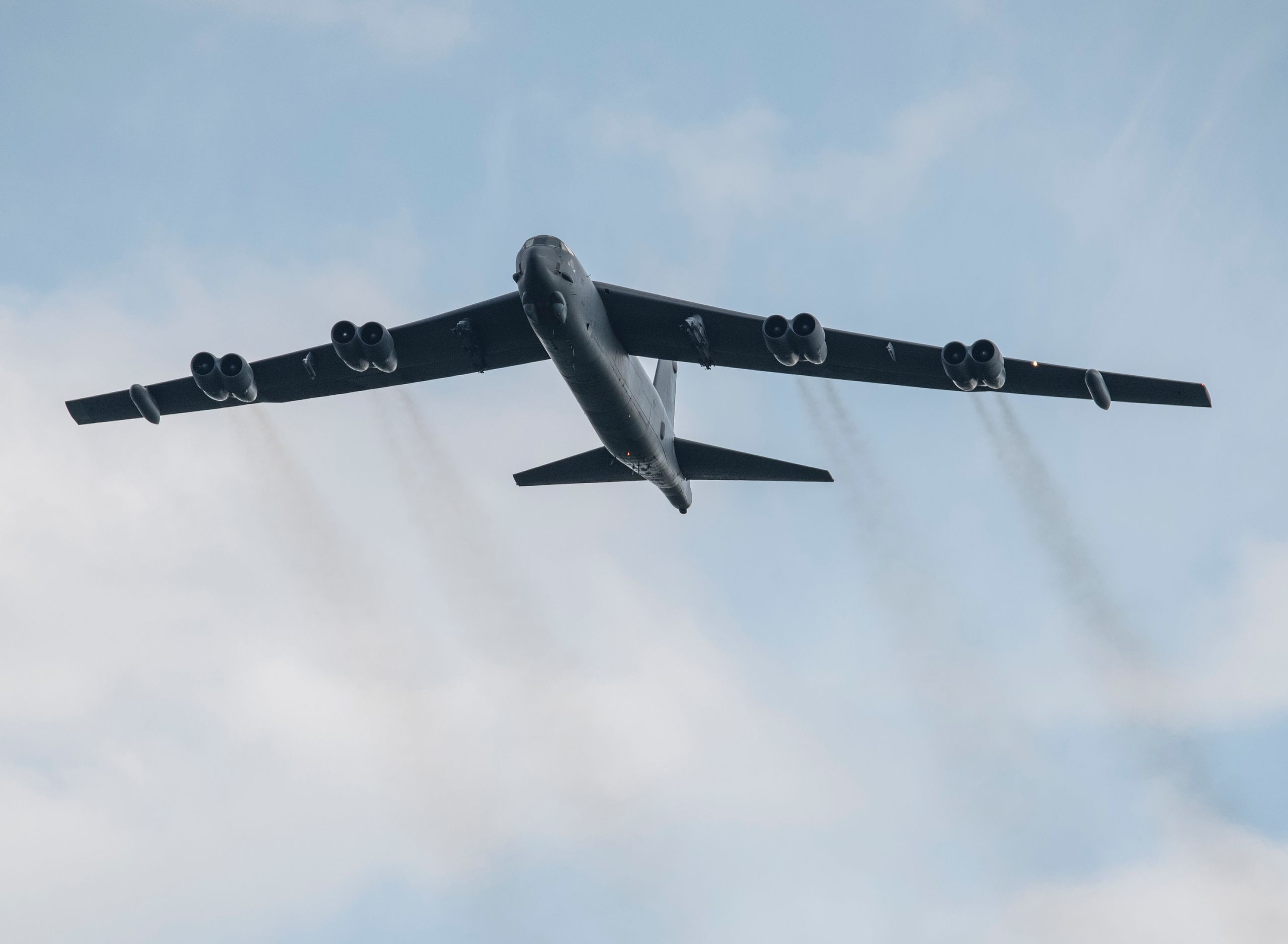
The B 52 Stratofortress, first introduced in the 1950s, remains one of the longest serving aircraft in U.S. military history. Despite its age, the aircraft continues to play a critical strategic role, capable of long range missions, heavy payload delivery, and deployment of both conventional and nuclear weapons across global theaters.
The Air Force has repeatedly upgraded the aircraft with new avionics, communications systems, weapons integration, and structural improvements. These upgrades are designed not only to maintain operational relevance but to transform the aircraft into a modern long range strike platform capable of integrating with next generation systems.
Additional modernization efforts include engine replacement programs and cockpit digitization efforts intended to significantly extend the aircraft’s service life. The long term goal is to keep the B 52 operational alongside newer platforms such as the B 21 Raider, creating a layered bomber force capable of addressing both conventional and strategic missions.
This crash occurred during one of the most sensitive phases of that modernization strategy, where real flight data is essential to validating major system upgrades before full deployment across the fleet.
Investigation Expected to Take Months as Officials Search for Cause
Military officials have launched a full investigation into the cause of the crash, and early assessments indicate that determining what happened could take several months. Investigators are expected to analyze flight data, maintenance records, radar test configurations, engine performance, structural integrity, and communications between crew and ground control.
Because this was a test mission, experts will also examine whether experimental systems played any role in the accident. This includes reviewing how new radar components interact with existing aircraft systems and whether any unexpected performance issues occurred during takeoff or early climb phases.
Authorities emphasized that no conclusions have been reached and all possibilities remain under review. Standard procedure in such investigations includes detailed wreckage reconstruction, digital flight path analysis, and cross referencing maintenance logs with recorded system behavior leading up to the crash.
Findings from the investigation will likely influence future B 52 test protocols and modernization safety procedures, especially for aircraft operating with integrated experimental systems.
Edwards Air Force Base Faces One of Its Most Serious Modern Tragedies
The crash has deeply affected the Edwards Air Force Base community, where military personnel, engineers, contractors, and families work closely across testing programs. Several victims had long standing ties to Southern California aerospace communities, making the loss both institutional and deeply local.
Edwards has experienced aviation tragedies throughout its history, but large scale fatal incidents remain rare in modern test operations due to advanced safety systems, strict protocols, and highly trained response teams. This event now stands as one of the most significant losses in recent decades at the installation, both in terms of personnel and the impact on ongoing modernization efforts.
The emotional impact extends across military and civilian sectors, where many personnel involved in testing programs work side by side over long project timelines. In such environments, crews are not only colleagues but tightly coordinated teams whose work directly influences the future of U.S. airpower.
What Comes Next
As recovery operations continue, attention now shifts to the investigation that will determine what caused a fully operational test aircraft to fail so soon after takeoff. The findings are expected to shape future B 52 modernization flights and may influence broader Air Force test safety protocols across multiple aircraft programs.
For now, the focus remains on the eight lives lost in a mission intended to strengthen the future of American airpower. The aircraft did not return from a test designed to extend its service life, and instead became part of the long and complex history of one of the most enduring bombers ever built, now marked by one of its most tragic modern losses.