A viral confrontation has emerged between one of the United States’ most popular music stars and the White House, raising questions about the boundaries of government communication, artistic control, and social media messaging. What began as a seemingly routine TikTok post became a national debate about consent, politics, and the use of popular culture in public messaging.
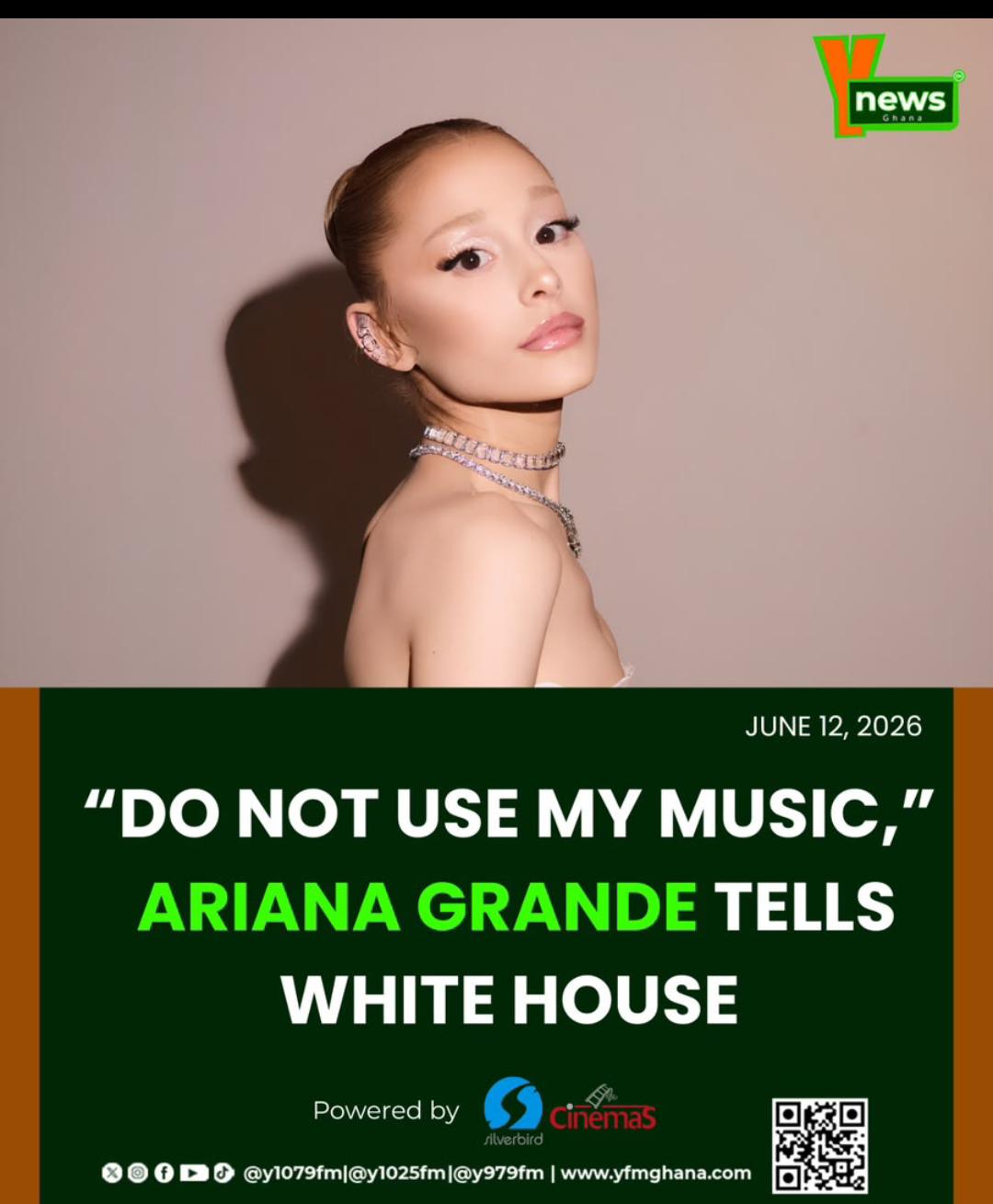
The controversy erupted after the official White House social media team shared a short video featuring federal immigration operations. Ariana Grande’s hit single “Bye” served as the soundtrack, creating a jarring juxtaposition between upbeat music and scenes of enforcement actions. Within hours, the pop star publicly condemned the use of her work, describing it as incompatible with her values and objecting to the government’s appropriation of her music.
Pop Star Calls Out Government
In a direct and uncompromising statement on social media, Ariana Grande criticized the White House, labeling the association of her music with federal enforcement as “barbaric, inhumane, and heinous.” Her message emphasized the ethical concerns artists face when their work is used in political contexts without permission. The public condemnation prompted an immediate response from her followers and reignited conversations about artists’ rights in the digital era.
The video was subsequently modified to mute the music, but the incident highlighted the tension between government communications and public figures’ intellectual property. Sources close to the singer confirmed that she and her management team are actively working to prevent further unauthorized use of her songs in government content.
White House Pushback
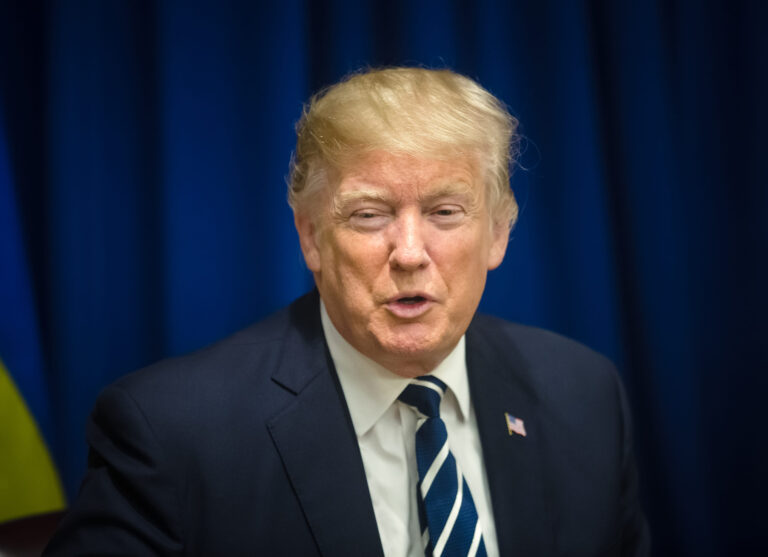
Rather than immediately retracting or apologizing, the White House responded with a pointed statement defending the video. A spokesperson framed the issue in terms of public safety and law enforcement, emphasizing that the true focus should be on individuals allegedly engaged in criminal activity, rather than the artistic material accompanying the video. The response, however, intensified public scrutiny and fueled debate over the administration’s messaging approach.
This clash underscores a broader challenge in modern political communication: the use of digital platforms to deliver government narratives directly to the public. While platforms like TikTok enable quick, visually compelling messaging, they also expose officials to unprecedented levels of public reaction and critique.
The Intersection of Art and Politics
The controversy highlights a growing intersection of popular culture and political messaging in the United States. Music and other forms of creative expression are increasingly used to bolster narratives, yet artists are asserting that consent is critical. In the digital age, a song, image, or video can amplify a message instantly, but misuse can provoke backlash and legal scrutiny.
This incident is part of a broader trend in which artists push back against political entities that use their creative work without explicit approval. Over the past decade, musicians and other creators have sought to maintain control over how their work is presented, particularly when linked to policy enforcement or controversial initiatives.
Social Media Amplifies the Debate
The platform where the dispute unfolded, TikTok, illustrates the unique dynamics of modern communication. Short, easily shareable videos can generate immediate public engagement, amplifying both support and criticism. The Ariana Grande–White House controversy spread rapidly, prompting commentary from fans, media outlets, and fellow artists, demonstrating the high stakes of combining cultural content with political messaging.
For government communicators, this episode reveals both the power and the risk of social media. While visual media can effectively illustrate policy actions, pairing such content with culturally significant material, like a hit song, can provoke disputes that overshadow the intended message.

Broader Implications for Policy Messaging
The use of music in government communications raises questions about ethics, legal rights, and public perception. Officials argue that multimedia content can make policy initiatives more accessible and engaging, particularly to younger audiences. Critics counter that unauthorized use of creative work undermines trust, risks alienating stakeholders, and can distract from substantive issues.
In this case, the debate is not just about copyright or platform mechanics. It reflects how political organizations navigate public opinion, manage backlash, and balance messaging while respecting cultural icons. How agencies handle such situations may influence future digital strategies across government and politics.
Lessons for Artists and Institutions
The incident is a cautionary tale for both artists and government entities. Creators are increasingly vigilant about how their work is used in public contexts, leveraging social media to assert control and publicly voice objections. Meanwhile, organizations must carefully consider consent, public perception, and cultural sensitivities when deploying media content that includes popular music or other creative works.
For institutions, the balance between effective communication and respect for intellectual property has never been more delicate. Missteps can escalate quickly in a digital environment, creating controversy that garners more attention than the policy or initiative itself.
Cultural and Political Significance
At its core, the dispute exemplifies a cultural tension in the United States. It raises questions about the power dynamics between government authority and individual creative expression. As political messaging increasingly intersects with entertainment and social media, conflicts like this illustrate the potential for friction and public disagreement.
Moreover, the situation underscores a societal expectation that artists retain control over the context in which their work is deployed, particularly when controversial or politically charged subjects are involved.
Final Thought
The Ariana Grande and White House controversy illustrates the challenges of modern communication where culture, politics, and technology converge. It highlights the growing importance of consent, cultural sensitivity, and strategic thinking in digital messaging. In an age where a song can spark national debate, the incident is a reminder that even government communications must navigate the delicate balance between effectiveness, ethics, and public perception. As the boundaries between art and policy continue to blur, both creators and institutions will need to tread carefully to maintain credibility and trust in the public eye.