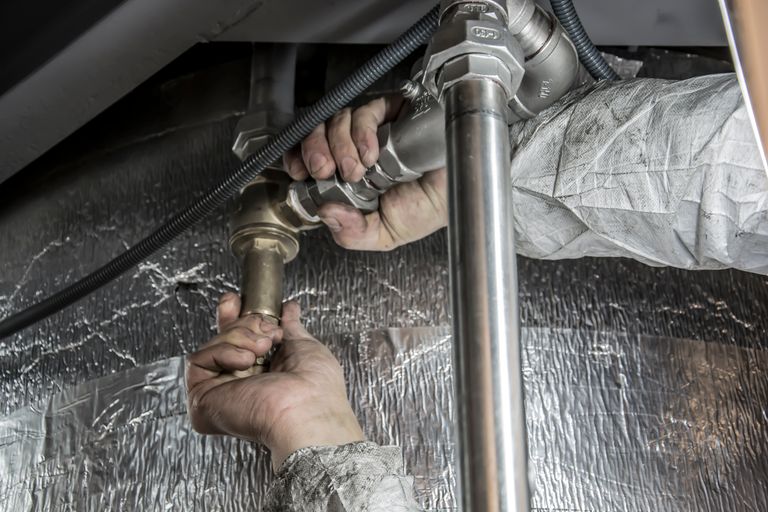
Home repairs already feel stressful, and shady contractors often turn the situation into a financial trap. In 2026, scammers exploit homeowners by using fear, urgency, fake savings, and confusing paperwork to their advantage.
Before diving into the most common scams, it’s important to understand how easily these schemes can start. These scams often start with a friendly knock, a convincing ad, or a promise that sounds too good to ignore. The danger is that, by the time the homeowner recognizes the warning signs, they may have already lost the deposit, received unfinished work, or signed a contract that works against them.
They Pressure Homeowners After Storms
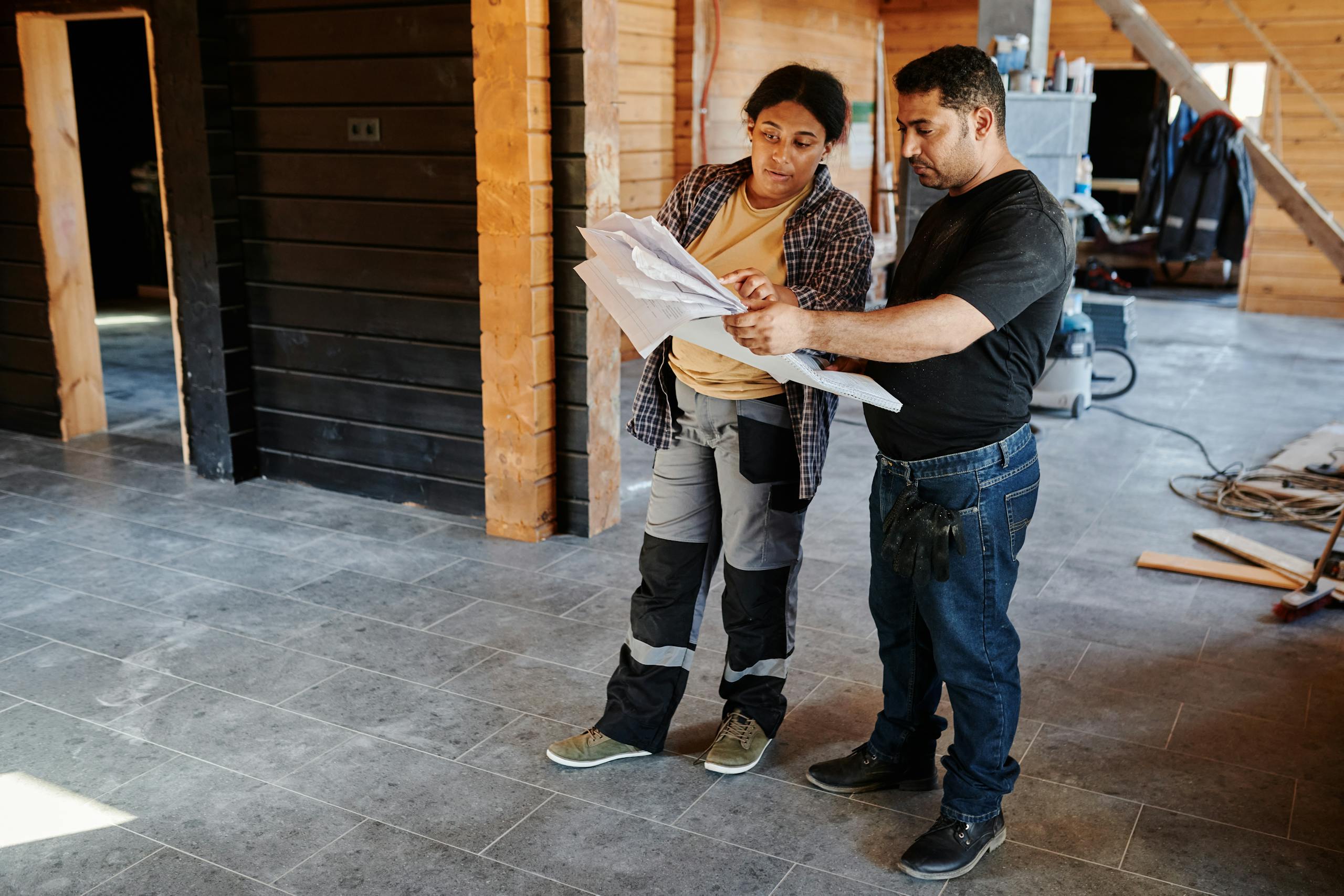
Some contractors rush into neighborhoods after storms and use fear to pressure homeowners into acting quickly. They claim the roof, gutters, windows, or siding must be repaired immediately before the damage worsens.
This pressure prevents homeowners from comparing prices, checking licenses, or reading contracts properly. Rushed repair decisions often lead to overpriced work, poor materials, or a contractor who disappears after collecting money.
They Promise Fake Free Government Grants
Scammers use phrases like “free roof grant,” “government-approved repair,” or “no-cost home upgrade” to attract homeowners. These offers sound helpful, especially for seniors, low-income families, and people facing expensive repairs.
Many of these offers do not reflect real grants. Scammers often design them as lead-generation traps, sales funnels, or loan offers disguised as free assistance. Homeowners often give away personal information or sign contracts before realizing there is no free money.
They Demand Big Upfront Payments

A dishonest contractor may ask for a large deposit before doing any serious work. Some claim they need the money for materials, crew scheduling, or a special discount.
Once the money is paid, the homeowner loses control. The contractor may delay the job, use cheap materials, ask for more money, or vanish completely. Paying too much up front is one of the easiest ways homeowners get trapped.
They Use Vague Contracts
Some contractors hide behind contracts that barely explain the work. They may write simple phrases like “repair roof,” “fix bathroom,” or “replace damaged area” without listing materials, timelines, permits, or warranties.
This vague language allows them to cut corners later. If the contractor performs poor, incomplete, or different work than promised, the homeowner may struggle to prove what both parties agreed upon. A vague contract protects the contractor, not the homeowner.
They Push Risky Home Improvement Loans

Some scams come through financing instead of direct payments. A contractor may offer a “special loan,” “easy payment plan,” or “no money down” deal that sounds affordable at first.
The hidden danger is in the fine print. Homeowners may end up with high interest, surprise fees, long repayment terms, or even a lien on the home. What looked like a simple repair can become years of expensive debt.
They Pretend to Be Inspectors
Some scammers act like officials to scare homeowners into action. They may claim to be city inspectors, energy auditors, utility partners, or safety representatives.
Then they invent problems that need urgent repair. This trick works because people often trust anyone who sounds official. A fake inspection can push homeowners into paying for unnecessary work.
They Skip Permits

Dishonest contractors may avoid permits because they do not want their work inspected. They may tell homeowners that permits are unnecessary, too expensive, or only a delay.
Skipping permits can result in unsafe work, code violations, fines, or problems when selling the house. Bad electrical, plumbing, roofing, or structural work can also create serious safety risks.
They Use Fake Reviews and False Credentials
Some contractors look trustworthy online but are not. They may use fake reviews, copied project photos, fake license numbers, or polished websites to appear legitimate.
This makes it harder for homeowners to spot the scam. A professional image does not always mean professional work. Without checking licenses, complaints, and insurance, homeowners may hire someone who has no real qualifications.
Final Thoughts
Contractor scams succeed because they hit homeowners when they are worried, tired, and desperate for quick help. The scam may start with a discount, a free grant, an emergency warning, or a friendly promise, but the result is often the same: lost money, poor work, and regret.
The smartest move is to slow down before signing anything. Real contractors do not need pressure tactics, fake grants, vague contracts, or scary warnings to win business. A good repair protects the home. A bad contractor puts the whole home at risk.