A city can look dazzling from a skyline photo and still feel different at street level after dark. That is why brutal safety issues that have turned American cities into travel red flags have become a bigger lifestyle conversation for travelers, families, workers, and anyone planning a weekend escape. The real story is not fear for fear’s sake, but the everyday warning signs people now notice before booking the trip.
Nobody wants to sound dramatic over a hotel reservation, right? Still, travelers now look past pretty restaurants, famous murals, nightlife clips, and glossy travel guides. They want to know if the city feels welcoming, walkable, alert, and sane enough for an actual human with luggage.
Street Crime That Changes the Mood Fast
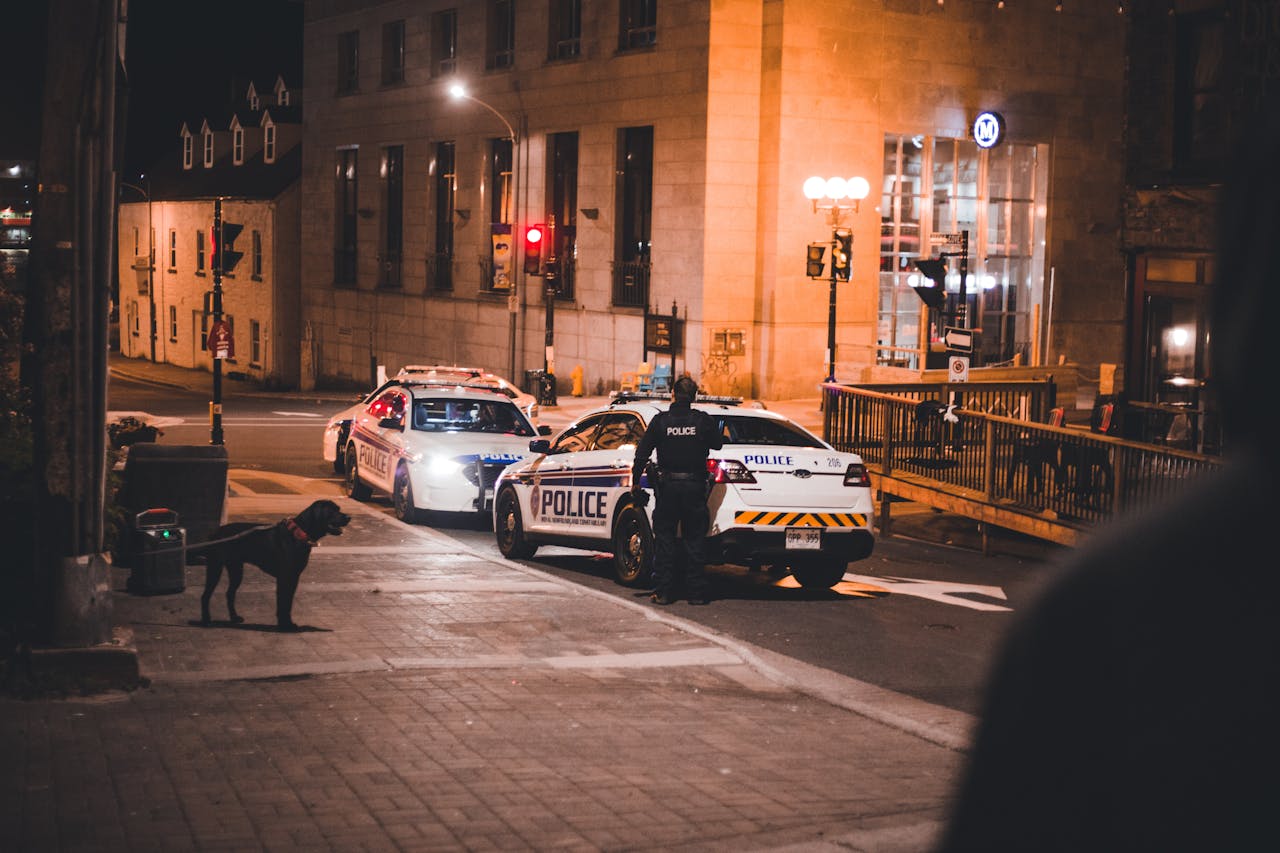
Street crime can turn a fun city visit into a tense guessing game. A traveler may arrive ready for food, music, shopping, and photos, then spend the night clutching a bag like it contains national secrets. That shift drains the joy from places that should feel exciting.
Pickpocketing, purse snatching, phone theft, and random intimidation create a nervous rhythm in crowded areas. Even when nothing happens, the possibility can make people move differently. Is it really a vacation if your shoulders stay near your ears the whole time?
Personalized travel planning now includes safety checks, not just brunch spots. People want routes, safer arrival times, and neighborhoods that feel calmer after sunset. FYI, the best taco in town loses charm when the walk back feels like a survival side quest.
Public Transit That Feels Unpredictable
Public transit should make a city easier to enjoy. It should connect travelers to museums, stadiums, neighborhoods, airports, and dinner plans without drama. When stations feel unsafe, the whole city becomes harder to navigate.
Travelers notice broken lighting, empty platforms, aggressive behavior, and confusing security presence. They also notice when locals avoid certain stops or change routes at certain hours. That kind of street wisdom often speaks louder than any tourism brochure.
A poor transit experience can push visitors to costly ride-sharing services. It can also make families rethink hotels, events, and evening plans. If the train ride feels like a plot twist, people will simply choose another city.
Car Break-Ins Around Tourist Areas

Few things ruin a trip faster than returning to a smashed window. Car break-ins make visitors feel exposed, angry, and foolish, even when they did everything right. The mess lingers longer than the crime itself.
Tourist zones can attract thieves because visitors often carry bags, cameras, gifts, and travel items. Rental cars can stand out, especially near attractions, hotels, and parking lots. Suddenly, a simple day trip feels like a warning label.
This issue raises red flags in American cities because it undermines trust directly. Travelers want to park, explore, and return without a crisis. That should not sound luxurious, yet here we are.
Nightlife Areas That Spill Into Chaos
Nightlife can give a city its pulse. Music, rooftop bars, late food, comedy clubs, and dancing can turn a regular trip into a memory. Still, some nightlife districts shift from lively to messy faster than anyone expects.
Crowds, alcohol, poor crowd control, and street arguments can create a rough atmosphere. Visitors may not know which block stays fun and which block gets tense after midnight. That uncertainty makes people leave early or skip the scene completely.
Good nightlife should feel electric, not hazardous. Travelers want energy without wondering if a sidewalk argument will become their evening entertainment. IMO, nobody books a city break hoping to become background footage in someone else’s chaos.
Homelessness And Visible Distress Near Hotels
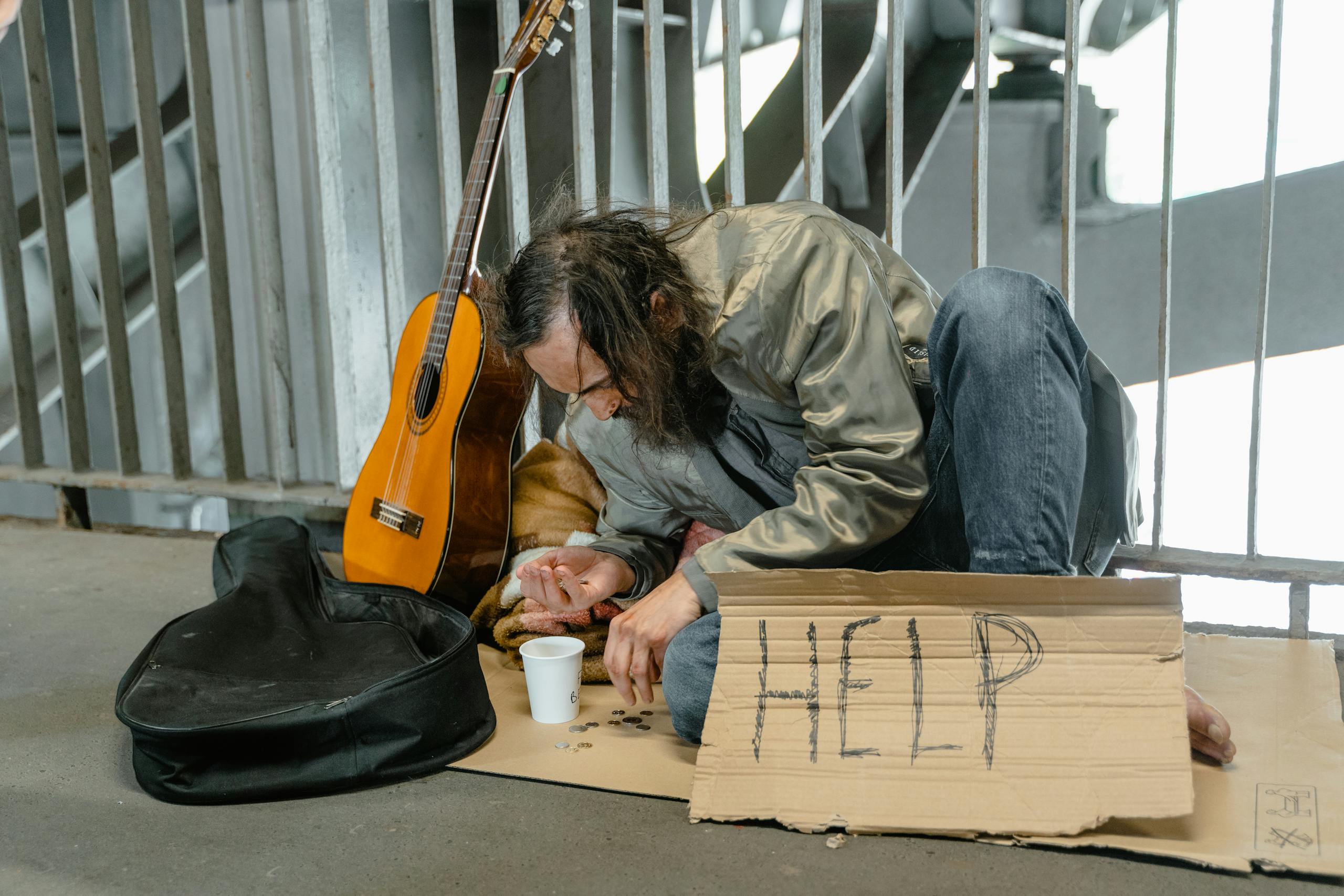
Homelessness reflects deep human pain, not a tourist inconvenience. Still, visible distress near hotels, parks, and transit stops can affect how visitors experience a city. People can feel compassion and concern at the same time.
Travelers may encounter people sleeping outside, asking for help, struggling with addiction, or behaving unpredictably. That can create confusion for families, solo travelers, and older visitors. They may want to respond kindly but also protect their space.
Cities that ignore visible distress create discomfort for everyone involved. Visitors notice when public areas feel abandoned by leadership. Safety also means dignity, order, care, and basic public trust.
Poor Lighting In Walkable Districts
A beautiful neighborhood can feel completely different when the lights fail. Poor lighting changes sidewalks, parking lots, alleys, parks, and transit paths into places people rush through. It makes even confident travelers second-guess normal movement.
Lighting matters because people read safety through visibility. If a street feels hidden, travelers feel less able to react, ask for help, or find their way. A dim block can turn a short walk into a mental negotiation.
City travel thrives when people feel free to wander. Restaurants, theaters, shops, and small businesses all benefit when streets feel alive and visible. Darkness may be moody in a jazz song, but it is not cute near a parking garage.
Aggressive Driving And Risky Streets
Some American cities feel less dangerous on sidewalks than in crosswalks. Aggressive driving can make visitors feel like they need athletic training just to cross the road. Honking, speeding, sudden turns, and distracted drivers create constant tension.
Travelers often judge a city by how it treats pedestrians. If drivers ignore crosswalks and rush through busy areas, the city feels hostile. Families with children feel that pressure even more.
Safe streets support tourism, local life, and public confidence. Visitors want to walk to dinner without having to calculate their final destination at every intersection. A city loses charm when crossing the street feels like auditioning for a stunt scene.
Emergency Response That Feels Too Slow
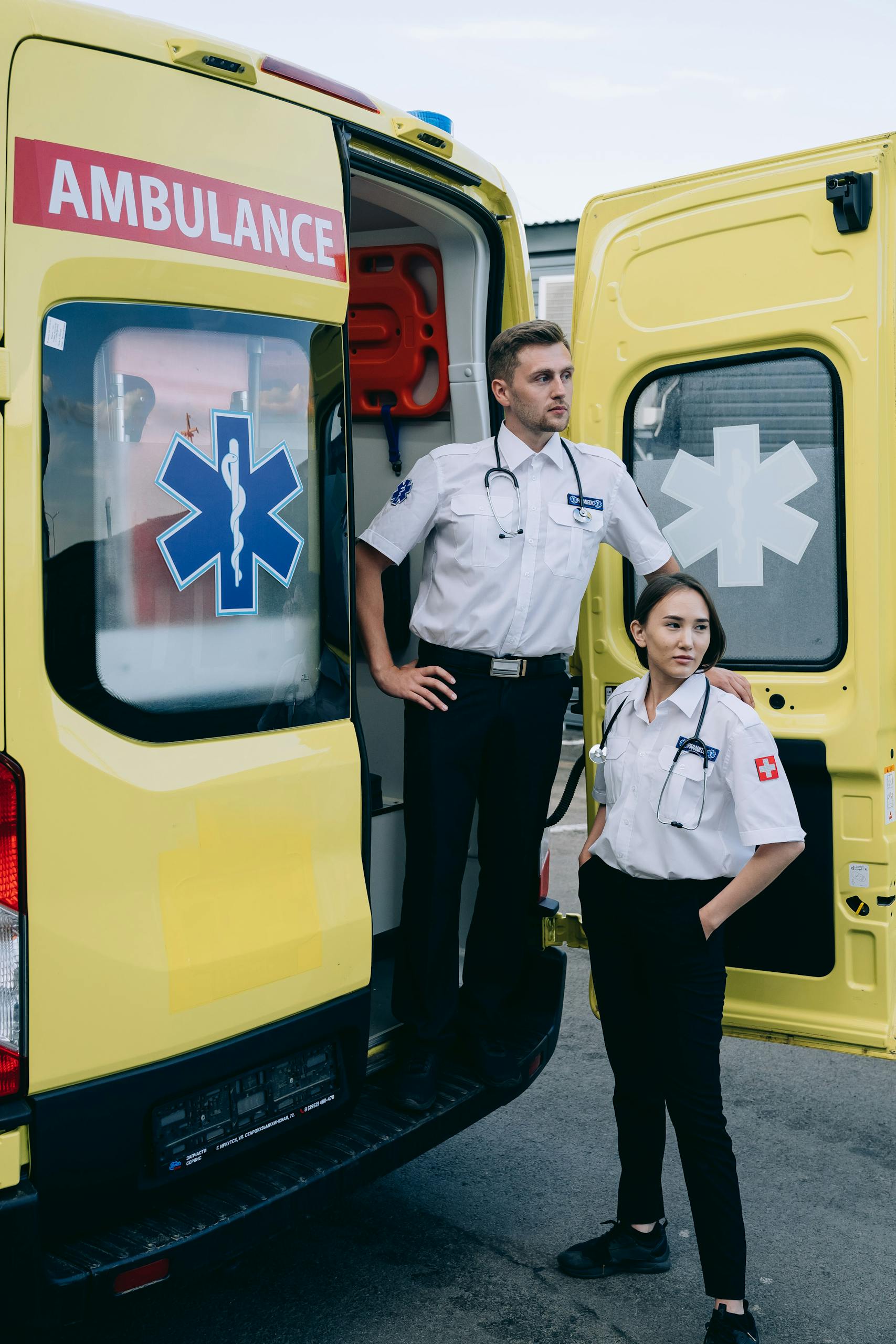
Travelers rarely think about emergency help until they need it. Then response time, clear directions, visible patrols, and accessible medical support suddenly matter. A city feels safer when help feels close and organized.
Confusion during emergencies can quickly magnify fear. Visitors may not know which hospital, station, or public office can help. They may also struggle to describe locations in unfamiliar neighborhoods.
This is why safety issues turning American cities into travel red flags go beyond crime alone. People want confidence that the city can respond when something goes wrong. Peace of mind is part of the trip, even when nobody talks about it on travel blogs.
Local Reputation That Travelers Cannot Ignore
A city can spend years building a cool reputation. Food scenes, festivals, sports teams, art districts, and historic neighborhoods can make it shine. Yet safety stories can travel faster than any tourism campaign.
Travelers listen to friends, relatives, ride-share drivers, hotel workers, and social media chatter. A few bad patterns can shape how people view the entire place. Is that always fair to every neighborhood, business, and resident?
Probably not, but perception still affects choices. People avoid places that feel uncertain, even when the reality varies block by block. Once a city becomes a travel red flag in public discourse, it must work harder to win back trust.
Conclusion
American cities still hold incredible beauty, food, culture, music, history, and possibility. Many neighborhoods remain warm, creative, and full of people working hard to build better communities. Safety concerns should not erase that truth, but they should not be brushed aside either.
Travelers now plan with sharper eyes, having learned to balance adventure with caution. They compare neighborhoods, read local chatter, choose lodging carefully, and rethink late-night movement. That does not make them paranoid; it makes them prepared.
The bigger issue is trust. People want cities that feel alive without feeling careless, vibrant without feeling volatile, and exciting without feeling exhausting. When leaders, businesses, and communities address safety honestly, travel red flags can become comeback stories.
So yes, American cities can still win travelers back. They can improve lighting, transit, street design, public order, emergency access, and support for vulnerable residents. Until then, travelers will keep asking the practical question before they pack: Will this city let me relax?