Raising a child can feel like living with the world’s cutest financial leak. One minute, you are buying diapers and tiny socks. Next, you are staring at a cart full of character toothpaste, birthday decorations, sports gear, app purchases, and snacks that somehow cost more than your own lunch.
The emotional pressure is real because parents do not want to look cheap. They want their kids to feel loved, included, safe, and happy.
The tricky part is that many parenting costs do not arrive as one dramatic bill. They sneak in through small upgrades, guilt purchases, social pressure, and the quiet belief that a good parent must always buy the better version.
Recent estimates put the cost of raising a child in the U.S. at more than $300,000 before age 18, and that does not include every lifestyle splurge parents often add along the way.
Baby Gear That Looks Essential but Isn’t Always Worth It
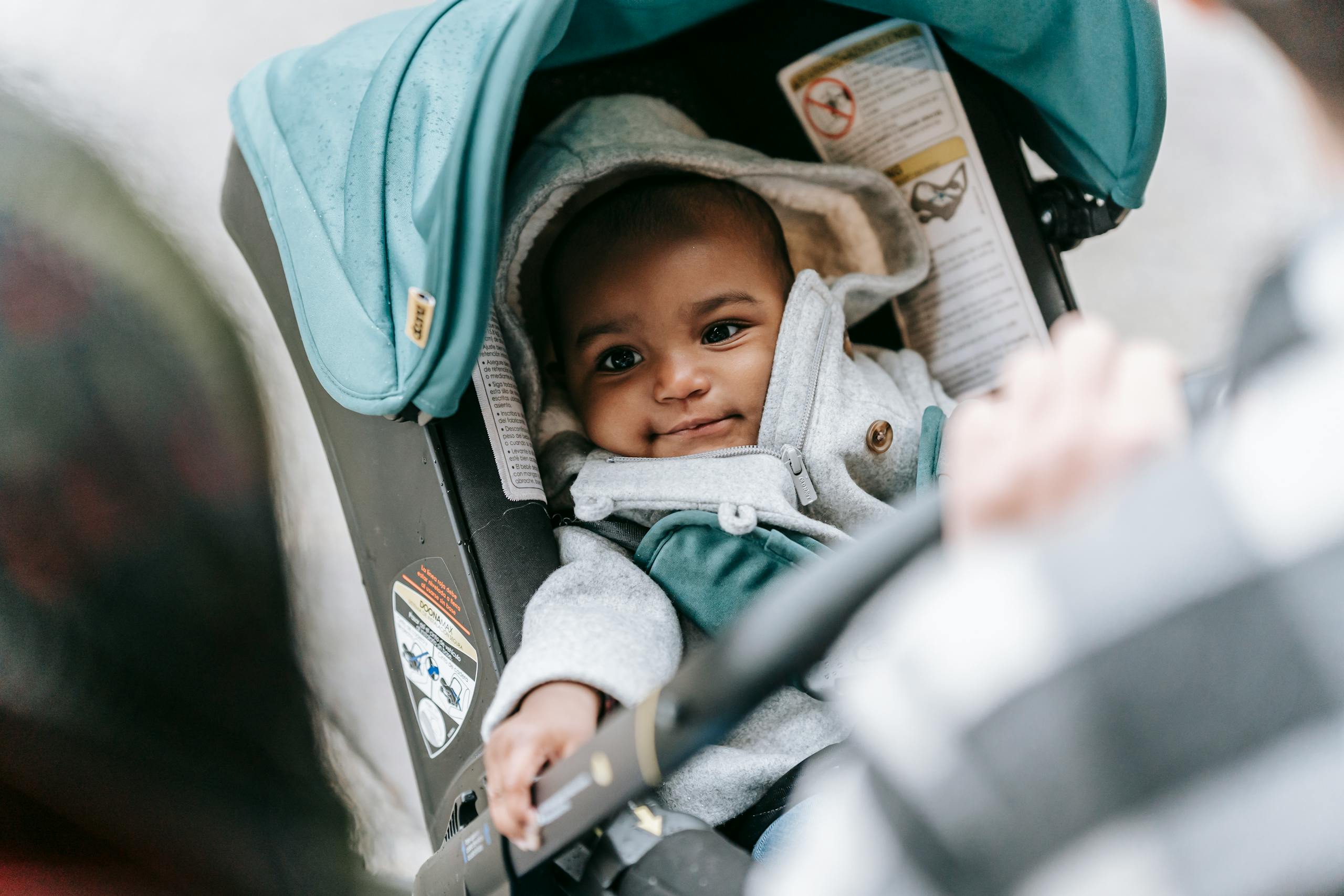
Baby gear is where many parents first get financially ambushed. A new stroller, crib, bassinet, changing table, bottle warmer, wipe warmer, carrier, high chair, swing, play mat, and diaper bag can make it seem like a baby needs a luxury apartment before they can even hold their head up. Stores know this moment well because new parents are often excited, nervous, and easy to convince.
The smarter move is to separate safety from status. Car seats, cribs, and other safety-sensitive items deserve careful research, but plenty of baby items can be borrowed, bought secondhand, or skipped altogether.
A baby does not care if the stroller is last year’s model. Parents usually care because the marketing made them feel like the wrong stroller might ruin childhood before preschool even begins.
Brand-Name Clothes Kids Outgrow Too Fast
Children can outgrow clothes at a speed that feels almost disrespectful. A jacket that fits in October can look like a cropped fashion experiment by January. That makes expensive brand-name outfits one of the easiest ways to burn money without getting long-term value.
There is nothing wrong with buying one special outfit for photos or a big event, but everyday kids’ clothes need to survive spills, playground dirt, mystery stains, and growth spurts. Discount stores, clearance racks, consignment shops, and hand-me-downs can do the job without punishing the family budget. The child gets dressed. The parent keeps money. Everybody wins.
New Bikes and Sports Gear That Barely Get Used

A new bike can feel like a childhood milestone. So can roller skates, scooters, skateboards, baseball gloves, soccer cleats, and dance shoes. The danger comes when parents buy premium gear before they know whether the child will actually stick with the activity.
Kids explore interests in bursts. One month they want to be a cyclist, the next month they are done with wheels and obsessed with basketball. Buying used gear first is often smarter because it gives the child room to experiment without turning every hobby into a financial commitment. If the interest lasts, then an upgrade makes more sense.
Electronics, Apps, and Video Games That Never Stop Asking for Money
Technology can be useful for learning, creativity, and entertainment, but it can also become a quiet money trap. A tablet leads to a case, then headphones, then subscriptions, then game credits, then app upgrades, then the next device, because the old one suddenly feels outdated. What starts as one purchase can become a small ecosystem of spending.
Parents can protect themselves by setting rules early. Free apps are not always free once in-app purchases appear. Games can become expensive when children want skins, coins, levels, and add-ons.
A simple family rule can help: entertainment upgrades come from allowance, gift money, or a fixed monthly budget. That teaches kids that digital spending is still real spending.
Impulse Buys That Happen Because the Kids Came Along
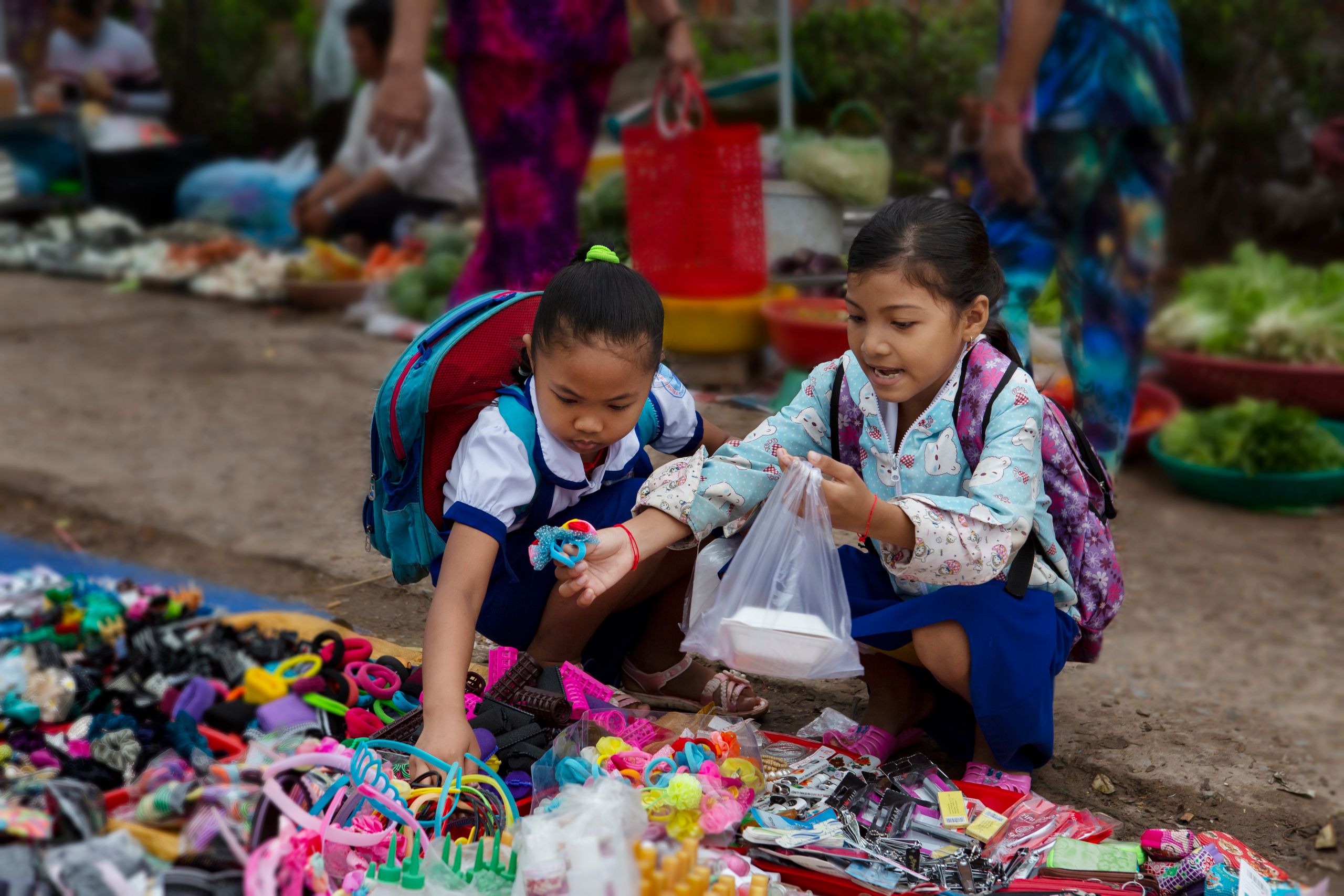
Taking kids into a big store can turn a simple errand into a hostage negotiation. You planned to buy detergent and bananas. Somehow, you leave with stickers, snacks, a toy car, a glitter notebook, and a stuffed animal with no known purpose. The total climbs fast because each item seems small on its own.
This is where structure saves money. Parents can shop alone when possible, use pickup orders, or give children one small planned choice before entering the store.
That turns random begging into a boundary. It also teaches kids that stores are not magic caves where every bright object follows them home.
Birthday Parties That Become Mini Weddings
A child’s birthday should feel joyful, but modern party culture can get ridiculous fast. Between venue rentals, themed decorations, cake, food, balloons, entertainment, custom outfits, photography, and party favors, a simple birthday can start behaving like a corporate event.
Social media only makes the pressure worse because every party now looks like it needs a production team.
The truth is that many young children remember the cake, the games, and the people who showed up. They do not need a designer dessert table to feel celebrated.
A smaller party at home, a park picnic, a simple sleepover, or one meaningful activity can create the same emotional payoff without turning the parents’ credit card into confetti.
Family Passes That Sound Smart but Go Unused
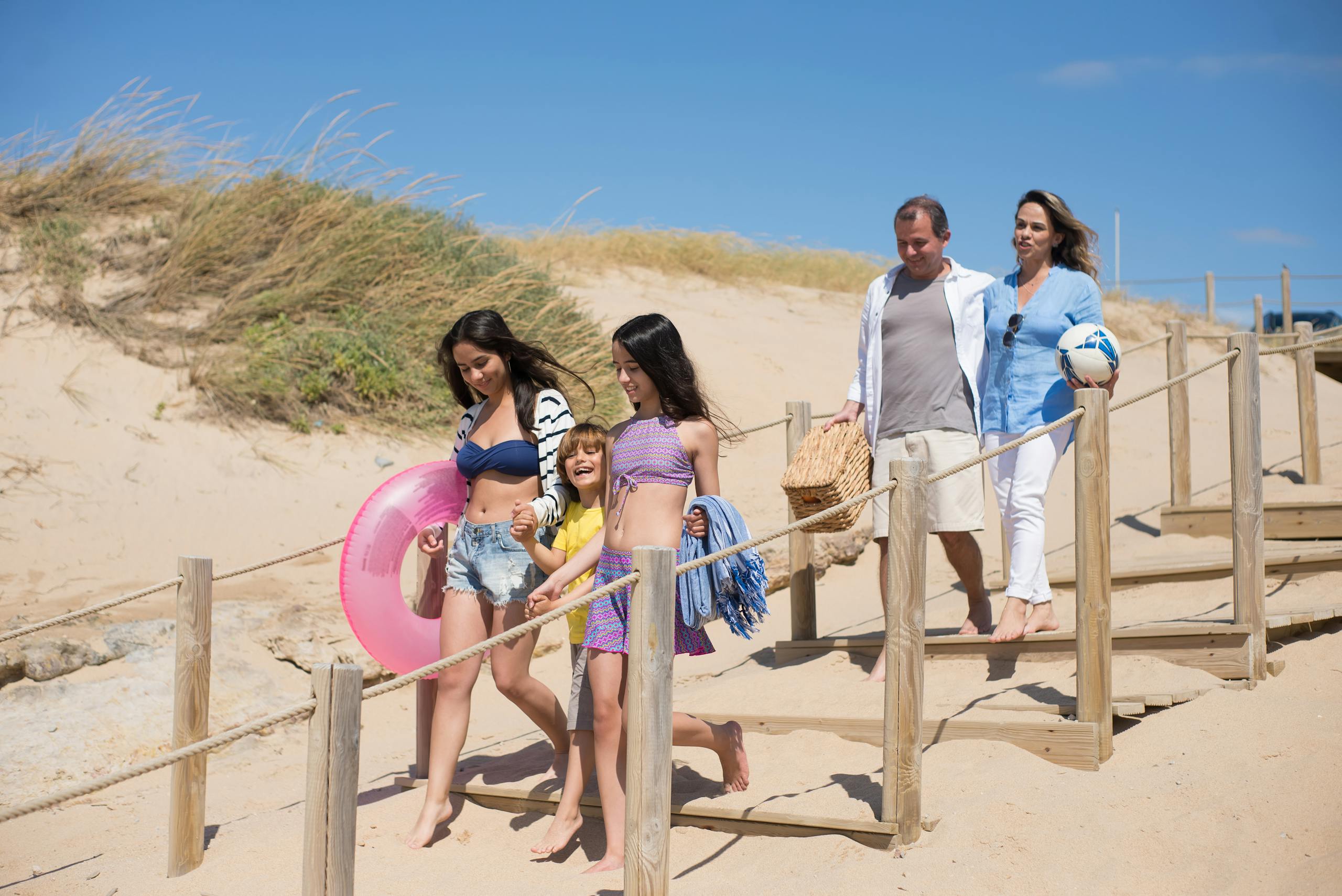
Zoo passes, museum memberships, trampoline park subscriptions, amusement park passes, and aquarium memberships can sound like a bargain.
Parents imagine wholesome weekends, happy photos, and endless family outings. Then real life arrives with rain, homework, errands, exhaustion, traffic, and Saturday plans that never quite happen.
The key question is not whether the pass is cheaper per visit. The real question is whether your family will actually visit often enough to justify it. If a pass needs six visits to pay for itself and you realistically go twice, it is not a deal. It is prepaid guilt sitting in your email inbox.
Pets Bought After One Emotional Plea
Few parenting moments are more dangerous than a child holding a puppy, hamster, fish, rabbit, or lizard and promising eternal responsibility. They mean it in that moment.
Then two weeks later, the parent is cleaning cages, buying food, paying vet bills, replacing supplies, and wondering how a tiny animal became a budget line.
Pets can be wonderful for families, but they are not cheap props for teaching responsibility. Food, bedding, grooming, medicine, equipment, and emergency care add up quickly. Before saying yes, parents should price the full year, not just the adoption fee or starter kit. A pet should be a family decision, not a checkout-line emotion.
Backyard Entertainment That Becomes Expensive Yard Decor
Pools, trampolines, swing sets, basketball hoops, and playhouses can feel like great investments because they promise outdoor fun. In some homes, they truly are worth it. In others, they become expensive objects that children use intensely for one month and then ignore like ancient ruins.
Parents should think beyond the purchase price. A trampoline may affect insurance. A pool requires maintenance, safety precautions, and regular cleaning.
Large play structures need space and upkeep. Before buying, ask whether the item fits your child’s habits, your climate, your yard, and your willingness to maintain it. The fantasy is free. The ownership is not.
Brand Name Schools That Can Damage Everyone’s Future
Education matters, but prestige can become financially dangerous when families confuse a famous name with the best fit. A child’s future should not require parents to drain retirement savings or take on stress they cannot carry. The goal is a strong education, not a bumper sticker that impresses strangers.
Families need honest money conversations before college decisions begin. Parents can set a clear contribution limit and help children compare schools based on cost, aid, program strength, location, career outcomes, and debt.
A less famous school with the right support and a manageable price can be far smarter than a famous one that leaves everyone financially bruised.
Conclusion
Kids are expensive, but the child is not always the real financial problem. The real problem is often the pressure around parenting. It is the guilt purchase, the comparison purchase, the convenience purchase, and the “just this once” purchase that becomes a habit.
Smart parenting is not about denying children joy. It is about knowing the difference between joy and marketing. A child can feel loved in secondhand clothes, with a simple birthday cake, a used bike, a home-cooked dinner, and parents who are not quietly panicking over money.
The strongest family memories rarely come from the most expensive choices. They come from feeling safe, seen, and genuinely cared for.