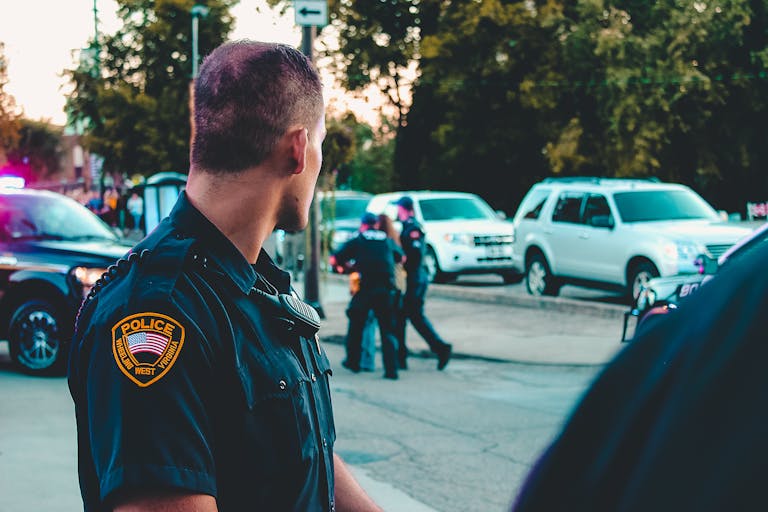
In recent years, the United States has seen a rise in protests against antisemitism, as citizens and activists come together to demand justice, awareness, and change.
While antisemitism has been a longstanding issue, the recent uptick in hate-driven incidents has galvanized communities, activists, and organizations to speak out against this form of discrimination. Here are eight key reasons why Americans are protesting against antisemitism today.
The Surge in Antisemitic Attacks
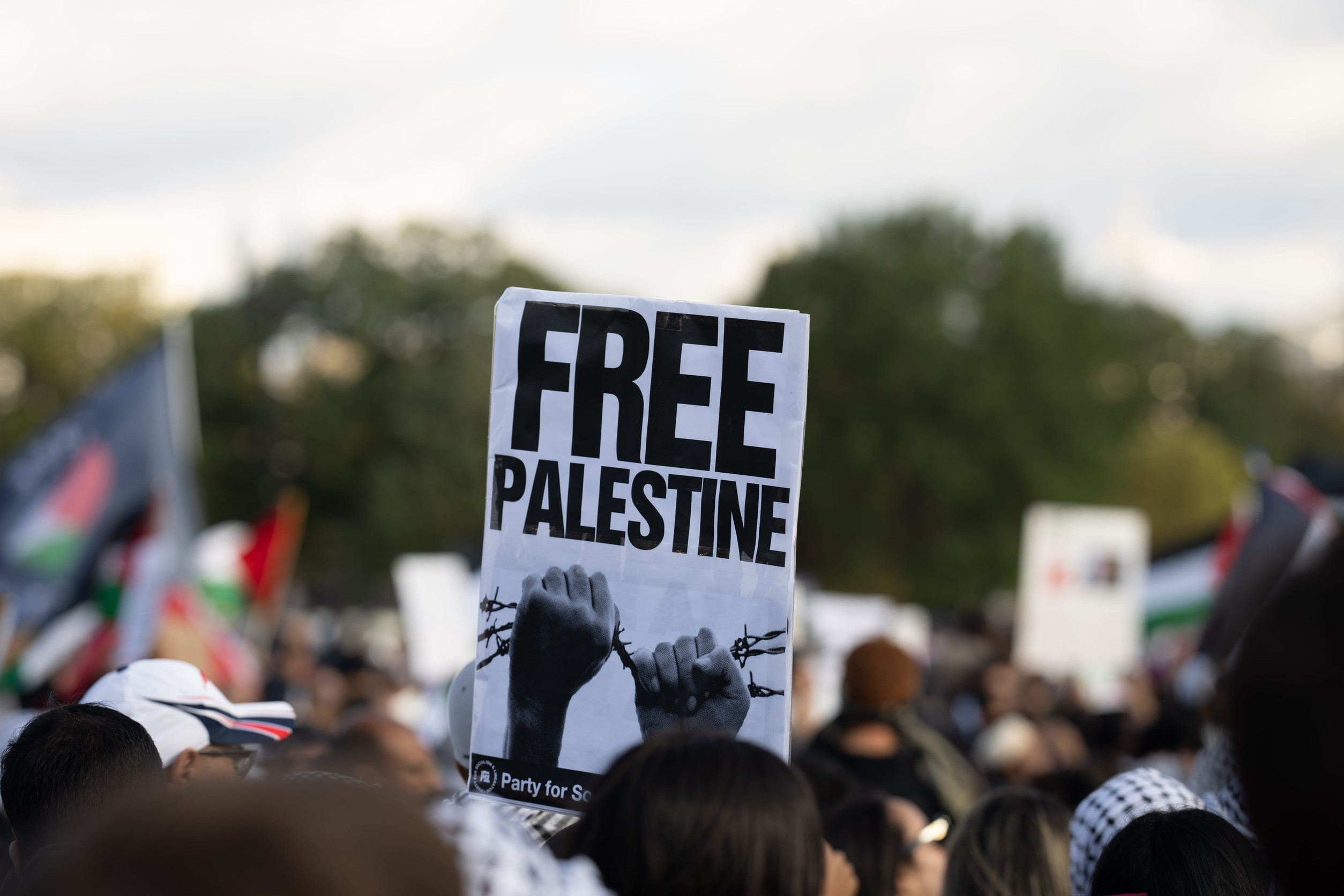
One of the primary reasons Americans are protesting against antisemitism is the alarming rise in hate crimes targeting Jewish communities. In 2022, antisemitic incidents reached record levels in the United States, including assaults, harassment, and vandalism. High-profile attacks such as the deadly shooting at the Tree of Life synagogue in Pittsburgh and other violent assaults on Jewish people have raised awareness about the dangers of unchecked hate. This surge in antisemitic violence has created a sense of urgency for individuals and groups across the nation to stand against this form of hatred and violence.
With these attacks affecting both individuals and institutions, the call for action has only grown louder. Protesters are demanding that political leaders, law enforcement agencies, and citizens take stronger measures to combat the rising tide of antisemitism. The protests also serve as a platform for Jewish communities to speak out about their experiences and raise awareness about the ongoing threat of violence and hatred directed at them.
The Weaponization of Social Media
Social media has become a double-edged sword, offering both a platform for advocacy and a breeding ground for hate. Antisemitic rhetoric has spread rapidly across social media platforms, with conspiracy theories and Holocaust denial gaining traction among online communities. The proliferation of these harmful narratives has led to calls for tech companies to take more responsibility in curbing hate speech and misinformation.
Protests against antisemitism are also calling for greater accountability from social media platforms to address the proliferation of hate online. Activists and Jewish groups are pushing for stronger regulations and moderation policies to prevent the spread of antisemitic content. In many cases, the protests demand a collective effort from both the public and private sectors to create a safer online environment, where hate and bigotry are not allowed to flourish.
The Role of Political Leaders and Polarization

The political climate in the U.S. has contributed to an increase in antisemitic rhetoric and actions. In recent years, some political figures have been accused of fostering divisive rhetoric, which often includes antisemitic tropes and stereotypes. This has raised concerns about the influence of political discourse on public attitudes and behaviors.
Americans are protesting against antisemitism partly because they see the need for political leaders to take a stronger stand against hate. There is growing frustration with politicians who fail to condemn antisemitic remarks and behaviors, especially when they come from influential figures. The protests are calling for greater unity and a rejection of political polarization that fuels division and hate, urging leaders to lead by example in creating a more inclusive society.
The Enduring Legacy of Historical Antisemitism
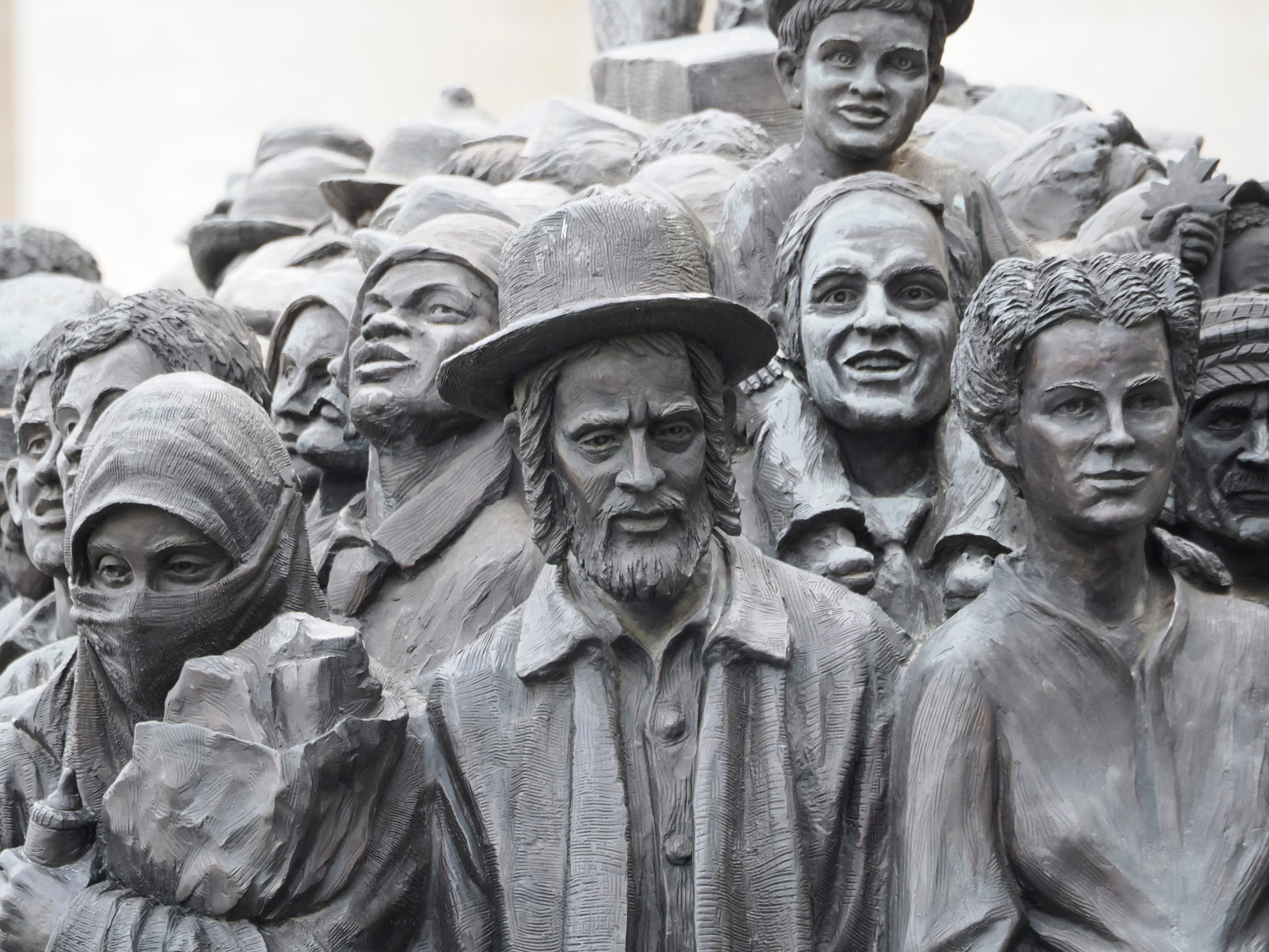
Antisemitism is not a new issue in the U.S.; its roots can be traced back to the earliest days of the country. From the exclusion of Jews from certain communities to the creation of discriminatory laws, the history of antisemitism in America is a painful one. The legacy of these actions continues to influence the experiences of Jewish individuals and communities today.
Protests against antisemitism are also a response to the long history of Jewish persecution, which has led to a sense of responsibility to confront these injustices head-on. The rise of antisemitic incidents in the present day serves as a reminder of how deeply ingrained this form of discrimination remains in society. Protesters are demanding that America confront its historical wrongs and make a concerted effort to create a more equitable and inclusive future for all.
The Influence of Antisemitic Conspiracy Theories
Antisemitic conspiracy theories have gained significant traction in recent years, particularly with the rise of the “alt-right” and other extremist movements. These theories, often fueled by misinformation, promote harmful stereotypes and suggest that Jewish people secretly control global events, finances, and governments. The widespread acceptance of such conspiracy theories has contributed to increased hostility toward Jewish communities and the rise in antisemitic attacks.
The protests against antisemitism seek to expose and challenge these false narratives, emphasizing the dangers of conspiracy thinking and the impact it has on marginalized communities. Protesters are calling for a more informed public and greater education about the harmful effects of these conspiracy theories, as well as the need for counter-narratives that promote understanding and tolerance.
Solidarity with Other Marginalized Groups
Antisemitism does not exist in a vacuum, and many Americans view the fight against it as part of a larger struggle for equality and social justice. Solidarity among different marginalized groups has become a key feature of the protests against antisemitism, with Jewish communities joining forces with Black, Latinx, LGBTQ+, and other minority groups to fight against all forms of hate and discrimination.
This sense of solidarity highlights the interconnectedness of various struggles for equality and the importance of standing together to dismantle systems of oppression. The protests emphasize that the fight against antisemitism is not only about protecting Jewish people, but also about promoting the rights and dignity of all marginalized communities. This unity is powerful in creating a collective movement for change, where no group is left behind in the pursuit of justice.
The Importance of Education and Awareness
Education plays a critical role in combating antisemitism and fostering a more inclusive society. Protests against antisemitism are not only about raising awareness of current events, but also about advocating for systemic changes in education systems across the country. Activists argue that schools, universities, and public institutions should do more to educate students about the history of antisemitism, the impact of hate speech, and the importance of tolerance.
By demanding better education on these issues, protesters hope to prevent future generations from perpetuating harmful stereotypes and discriminatory behavior. Education is seen as a tool for breaking down the prejudices that fuel antisemitism, with many protests calling for increased curricula that include the stories and struggles of Jewish communities, as well as the importance of cross-cultural understanding.
The Call for Legal Action and Policy Change

In addition to protests in the streets, many Americans are also calling for legal and policy changes that address the root causes of antisemitism. This includes advocating for stronger hate crime legislation, greater protection for Jewish institutions, and enhanced government action to prevent and respond to antisemitic attacks. The protests often emphasize the need for policy reforms at the local, state, and federal levels to combat antisemitism in all its forms.
Activists and Jewish organizations are also pushing for expanded anti-bias training for law enforcement and other public officials, as well as for the creation of programs that support Jewish communities in times of crisis. By demanding legal action and policy reforms, protesters hope to create a more robust framework for protecting Jewish individuals and combating antisemitism on a systemic level.
Conclusion
The protests against antisemitism in the United States reflect the deepening concern over the rise of hate-driven violence, political divisiveness, and the persistence of harmful stereotypes.
These protests serve as a call to action for individuals, communities, and political leaders to stand united against hate, educate the public, and advocate for legal reforms that will protect Jewish communities from harm. As Americans protest against antisemitism, they send a powerful message: that no form of hatred will be tolerated, and the struggle for justice and equality must continue until all forms of discrimination are eradicated.