In the United States, labor laws have been a contentious topic for decades. These laws are designed to protect workers’ rights, but some have been met with resistance, criticism, and frustration.
While many labor laws aim to safeguard employees’ well-being, some have become highly unpopular due to perceived inefficiencies, unfair practices, or economic burdens on businesses. In this article, we will explore the 10 most hated labor laws in the United States, highlighting their negative impacts and why they continue to spark debate.
The Fair Labor Standards Act (FLSA)
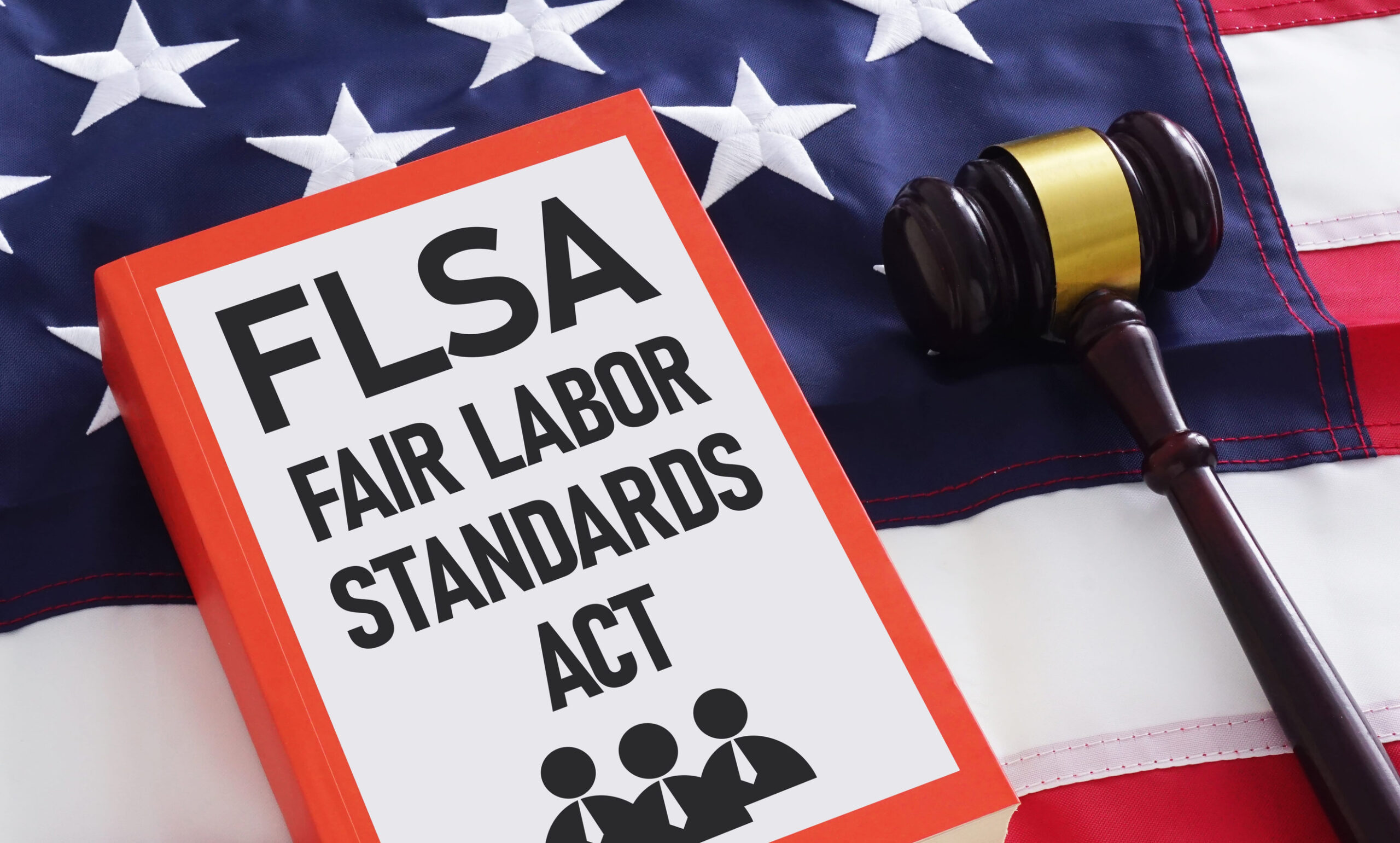
The Fair Labor Standards Act (FLSA), enacted in 1938, established the federal minimum wage and overtime pay. While these provisions have helped millions of workers, they’ve also sparked significant backlash.
The overtime rules, which mandate that employees earning less than a certain threshold receive time-and-a-half for working over 40 hours a week, have drawn particular ire from employers. Small businesses, in particular, argue that these rules increase operating costs and create staffing headaches, forcing them to either pay for overtime or hire more employees to avoid it.
The National Labor Relations Act (NLRA) Bargaining
The National Labor Relations Act (NLRA), passed in 1935, was intended to protect workers’ rights to form unions and engage in collective bargaining.
However, this law is often criticized for enabling aggressive unionization tactics and creating a power imbalance between employees and employers. Critics argue that unions wield too much influence, sometimes pushing for unrealistic demands that harm businesses and create unnecessary friction between workers and management.
The Family and Medical Leave Act (FMLA)

The Family and Medical Leave Act (FMLA) was designed to allow employees to take unpaid leave for personal or family medical reasons without fear of losing their jobs.
While it’s seen as a vital safety net for workers dealing with medical emergencies, the law is widely disliked for its lack of pay during the leave period. For many, unpaid leave is simply not financially feasible, leading to criticism that the law does not adequately support working families.
The Affordable Care Act (ACA)
The Affordable Care Act (ACA), passed in 2010, aimed to expand access to health insurance for all Americans, including requiring businesses to offer health insurance to full-time employees.
While this mandate sought to improve workers’ health coverage, it has faced significant opposition from employers, especially small business owners. Critics argue that the cost of providing health insurance to employees has placed financial strain on businesses, leading to higher employee premiums or reduced wages to offset the additional costs.
The Occupational Safety and Health Act (OSHA)
The Occupational Safety and Health Act (OSHA), passed in 1970, established comprehensive workplace safety regulations. The law mandates that employers provide a safe working environment for their employees.
While the intention is to protect workers from accidents and hazardous conditions, OSHA has been criticized for its strict and sometimes overbearing regulations. Many businesses, particularly those in high-risk industries, argue that complying with OSHA standards can be excessively expensive and time-consuming, especially when addressing minor safety issues.
The Davis-Bacon Act

The Davis-Bacon Act, enacted in 1931, requires that workers on federally funded construction projects be paid the prevailing wage for the area. Critics of the law argue that it inflates labor costs, as contractors are often required to pay wages above market rates.
While the law’s intent is to prevent wage undercutting and exploitation, opponents claim it makes public infrastructure projects more expensive, often at taxpayers’ expense. Some argue that it also limits competition among contractors by favoring larger companies that can afford the wage requirements.
The Worker Adjustment and Retraining Notification Act (WARN)
The Worker Adjustment and Retraining Notification Act (WARN), passed in 1988, requires companies to give workers 60 days’ notice before a mass layoff or plant closure. While the law aims to protect workers by providing them with time to find new employment, it is often seen as burdensome for employers.
Critics argue that this requirement is too restrictive, especially in industries where layoffs can be sudden and unpredictable. In many cases, businesses claim that the law hampers their ability to make swift decisions during times of economic uncertainty.
The Americans with Disabilities Act (ADA)

The Americans with Disabilities Act (ADA), passed in 1990, requires employers to provide reasonable accommodations for employees with disabilities. While the law was designed to promote inclusivity and equality, it has faced significant criticism from businesses. Employers often argue that the costs and logistical burdens of implementing accommodations, such as modifying facilities or providing specialized equipment, are too high.
Moreover, some claim that the law can be exploited, leading to unnecessary legal disputes that harm businesses without significantly benefiting employees.
The Equal Pay Act
The Equal Pay Act, enacted in 1963, mandates that men and women receive equal pay for equal work. While the law’s goal of closing the gender wage gap is widely supported, it has been criticized for its broad interpretation and enforcement challenges.
Many employers argue that the law creates unnecessary legal risks, especially when determining the “equal work” standard. Some companies feel they face unfair lawsuits over pay discrepancies that may be tied to factors such as experience or seniority, rather than gender bias.
The Tax Cuts and Jobs Act (TCJA)
The Tax Cuts and Jobs Act (TCJA), passed in 2017, provided large tax cuts for corporations. While the act’s supporters argue that it stimulates economic growth and job creation, critics claim it disproportionately benefits the wealthy and big businesses, with minimal gains for the average worker.
Many labor groups have expressed their displeasure with the law, arguing that it fails to address workers’ needs and exacerbates income inequality. They argue that the tax cuts for corporations should have been paired with stronger protections and benefits for employees.
Conclusion
Labor laws in the United States are a double-edged sword. While they provide essential protections for workers, they can also create significant burdens for businesses, leading to criticism and opposition from various sectors. Laws like the FLSA, NLRA, and ACA are regularly scrutinized for their unintended consequences, which can increase costs for businesses and reduce employers’ flexibility. Similarly, laws such as the ADA, WARN, and FMLA can create logistical challenges, often leading to frustration for employers.
Despite these criticisms, many of these laws remain fundamental to worker protections in the United States. While there are certainly improvements that could be made to make them fairer and more effective, these laws play a critical role in maintaining a balance between business interests and worker rights. As the economy and workforce continue to evolve, it is likely that labor laws will remain a hotly debated issue. For now, the challenge remains to find a middle ground that supports both businesses and workers in a fair and equitable way.